
 EN
EN PT
PT


Head Offices:
Hotline: (877) 289-6429
Working Hours:
Monday to Saturday 6:00 AM – 7:00 PM, Sunday Closed
Website: https://mrmsteel.ai/
What Is Construction Steel? What Types of Iron and Steel Are Commonly Used in Construction? In the modern construction industry, iron and steel always play a core role in creating strength and durability for every structure. From residential houses, apartment buildings, bridges, and roads to industrial zones and high-rise buildings, steel is an indispensable material in load-bearing structures. Thanks to its rigidity, high load-bearing capacity, and long service life, this material helps structures withstand environmental impacts such as harsh weather conditions, humidity, and mechanical pressure over long periods.
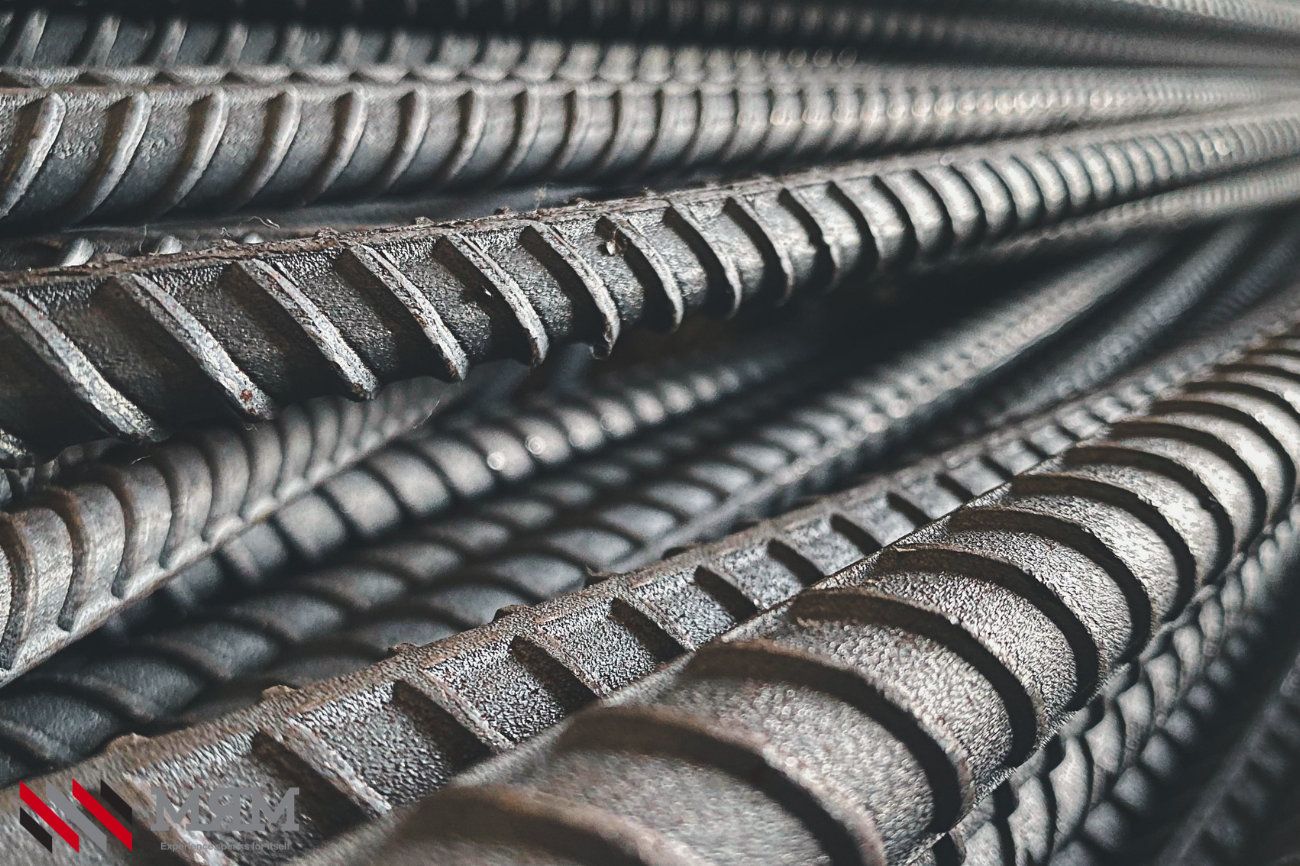
Currently, the construction steel market is very diverse in terms of product types, sizes, and technical standards, meeting various needs in construction and design. Choosing the right type of steel not only improves construction quality but also optimizes costs and ensures safety during operation. The article below will help you better understand the common types of iron and steel, their functions, and their practical applications in construction and industry.
Construction steel is a type of steel used directly in the construction and erection of structures such as residential buildings, bridges, roads, high-rise buildings, factories, and technical infrastructure systems. It is an important material that forms the load-bearing structural framework, helping structures ensure stability, safety, and long service life throughout their operation.
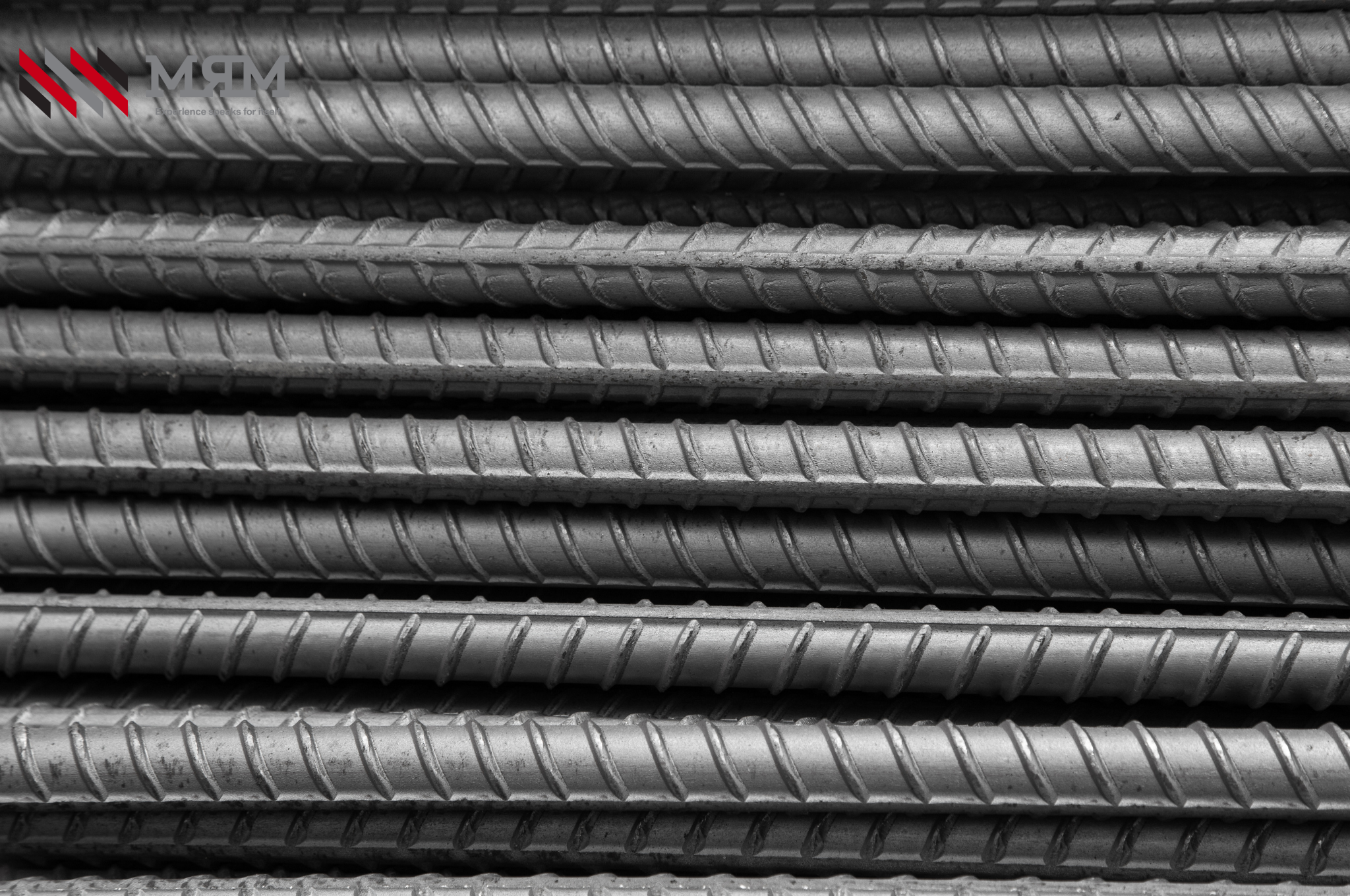
This type of steel is produced through the alloying process between iron and several elements such as carbon, manganese, silicon, and other metallic components. This combination enables steel to achieve superior mechanical properties such as high load-bearing capacity, excellent strength, and effective resistance to deformation, thereby contributing to increased structural stability for the entire construction framework.
To meet construction requirements, steel must comply with strict technical standards such as high hardness, good elasticity, high load-bearing capacity, and resistance to warping during use. In addition, the product must also adhere to quality regulations and construction standards to ensure safety, durability, and economic efficiency for each project.
In the construction industry, iron and steel are considered fundamental materials, playing an important role in creating strong structures and ensuring the durability of buildings. With the rapid development of the construction market, iron and steel products have become increasingly diverse in types, sizes, designs, and brands to meet various usage needs, from residential construction to large-scale industrial projects. This diversity also creates strong competition among manufacturers in terms of both quality and price.
For those working in the construction or mechanical engineering fields, selecting the appropriate type of iron and steel for each construction item is usually not too difficult thanks to their experience and professional knowledge. However, for those who do not have much understanding of construction materials, choosing the right product that ensures both quality and a reasonable price is not easy. Therefore, cases of purchasing low-quality goods or products that do not meet standards still sometimes occur in the market.
Currently, in the construction field, there are four types of iron and steel that are most commonly used:
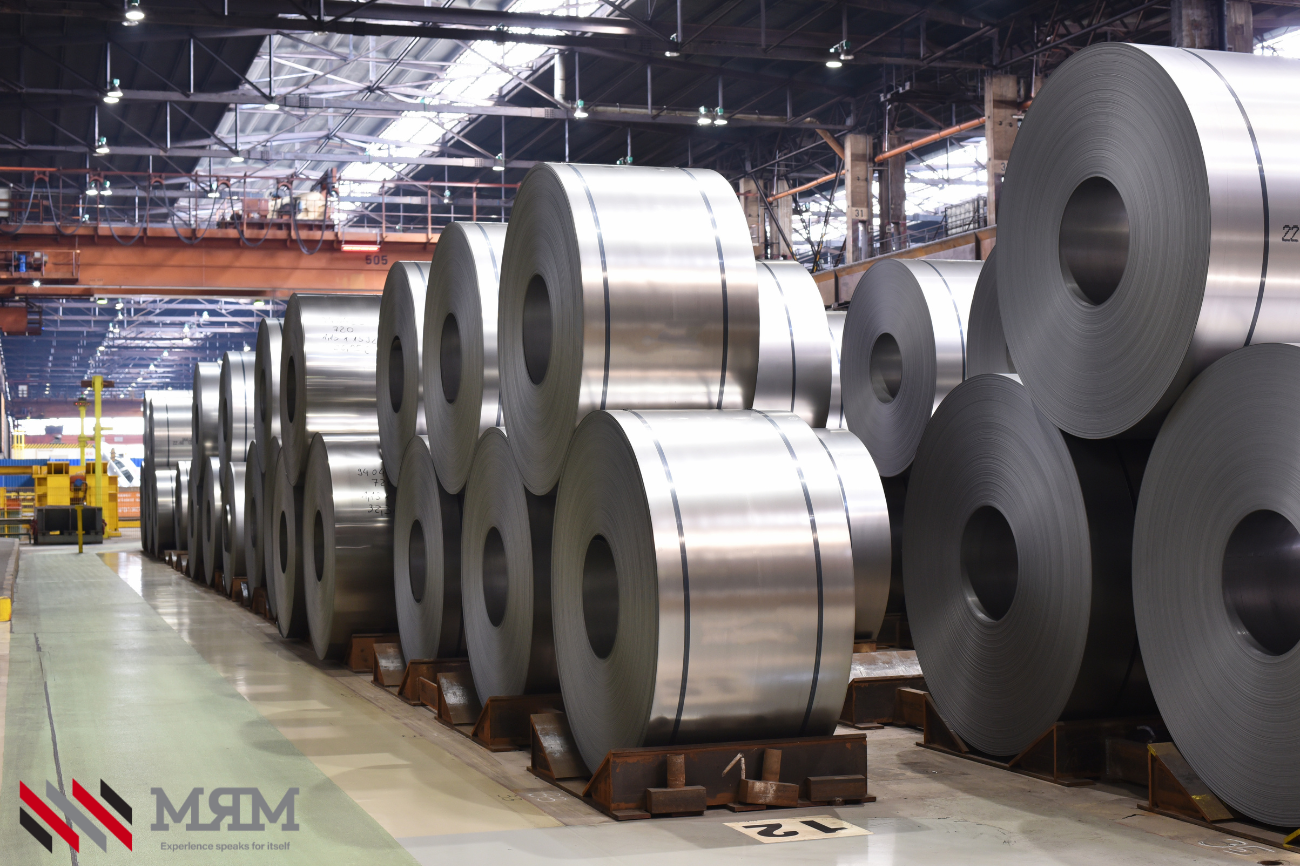
Steel in Coil Form: This group includes hot-rolled steel, cold-rolled steel, and galvanized steel. Thanks to its good load-bearing capacity, high durability, and flexible bending ability, steel coils are widely used in many different structures, from residential buildings to industrial and infrastructure projects.
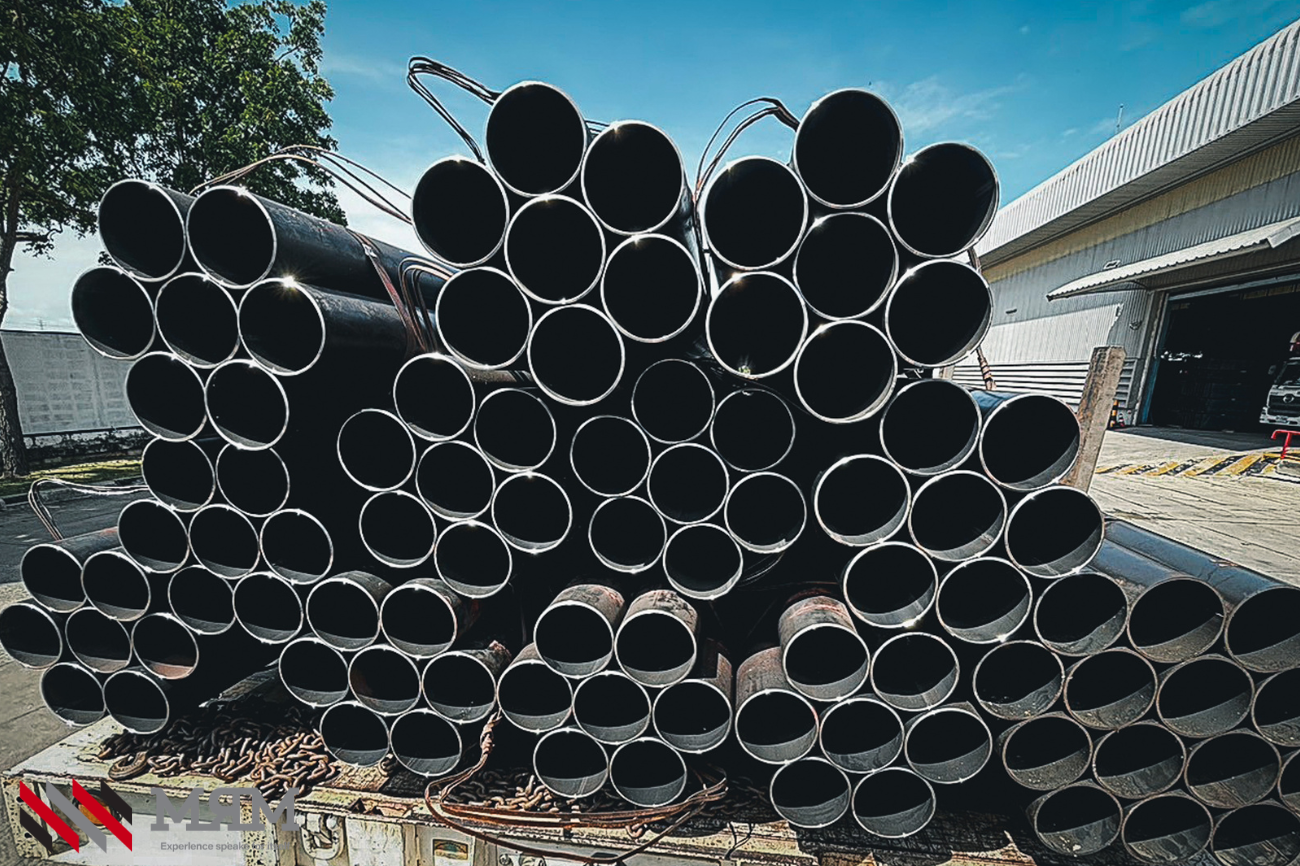
Steel Pipes: Steel pipes come in various shapes such as round pipes, square pipes, or oval pipes. This material is commonly applied in pipeline systems, factory structures, technical frameworks, and projects requiring high durability as well as strong pressure resistance.
Steel Bars: Steel bars come in many common sizes such as diameter 6 mm, 8 mm, 10 mm, 12 mm, 14 mm, etc., and are often used in reinforced concrete structures. This is an important material that increases load-bearing capacity and stability for main structural components such as foundations, columns, beams, and slabs.
Structural Steel Sections: Structural steel includes common shapes such as U, I, V, L, or H sections. These types of steel are often used in steel frame structures, load-bearing beams, and components that require high load-bearing capacity, especially in factories, bridges, roads, and industrial structures.
Understanding the characteristics and applications of each type of iron and steel will help consumers and investors choose suitable materials, thereby ensuring quality, durability, as well as economic efficiency for construction projects.
Steel in Coil Form: Steel coils are produced through modern technological processes with advanced metal processing techniques, allowing the product to achieve high strength and outstanding flexibility. Thanks to their easy bending, easy fabrication, and good load-bearing capacity, steel coils are widely applied in many different fields. This type of steel is commonly used in residential and industrial construction such as factory structures and bridges, as well as in machinery manufacturing and mechanical equipment production.
Steel Pipes: Steel pipes have a hollow internal structure with thin walls but still ensure high rigidity and load-bearing capacity. The outstanding advantage of this type of steel is its light weight but high strength, helping reduce structural load while maintaining the stability of the structure. In addition, steel pipes also have effective corrosion and rust resistance, especially when galvanized for surface protection. Thanks to these characteristics, steel pipes are widely used in factory structures, water supply systems, gas pipelines, and many other industrial projects. Currently on the market, steel pipes come in many variants such as carbon steel pipes, seamless steel pipes, spiral welded steel pipes, and galvanized steel pipes, meeting diverse usage needs.
Steel Bars: Steel bars are an important material and are almost indispensable in construction, especially in reinforced concrete works. This type of steel is characterized by high ductility, good elasticity, and strong load-bearing capacity, helping increase the structural strength of buildings. Common steel bars such as diameter 6 mm or 8 mm are often used to make stirrups or tie steel, contributing to strengthening the connection between components in reinforced concrete. As a result, residential and industrial constructions can ensure long-term stability and service life.
Structural Steel Sections: Structural steel sections have fixed geometric shapes such as V, U, I, Z, L, or H, designed specifically for structures that require high load-bearing capacity. This type of steel stands out for its high rigidity and ability to withstand heavy loads, commonly used as crane beams, factory frames, truck scale platforms, or load-bearing structures in factories and industrial projects. With its solid structure and superior durability, structural steel contributes to ensuring safety and long service life for large-scale constructions such as bridges, factories, and technical infrastructure systems.
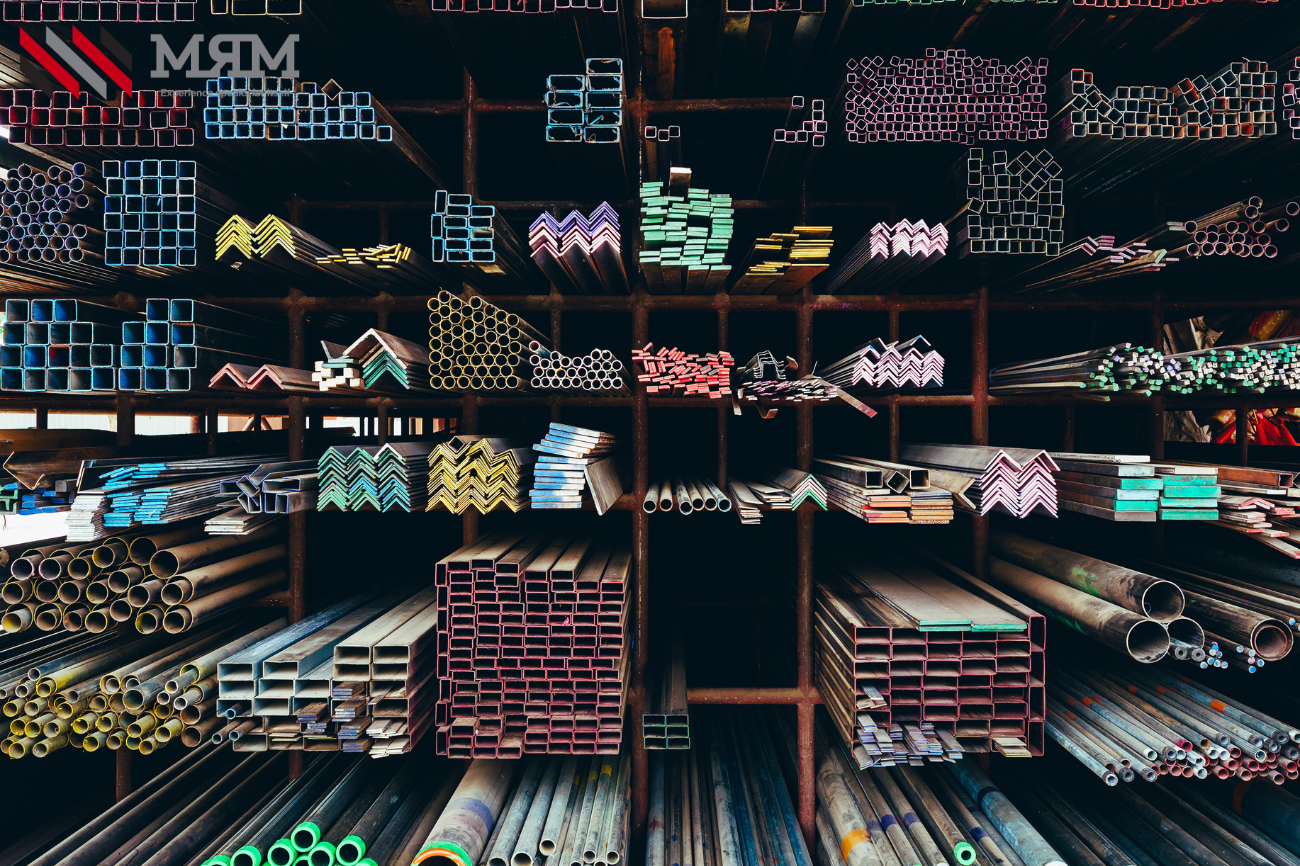
Steel is the core material that determines the durability and safety of a structure. Therefore, when selecting construction steel, buyers need to carefully consider several important factors to ensure quality as well as optimize costs.
Research and Choose a Reputable Brand: First, priority should be given to steel brands that are reputable and widely trusted by many projects in the market. Manufacturers or suppliers with strong reputations usually ensure that their products meet proper technical standards, have clear origins, and maintain stable quality. Carefully researching the supplier will help minimize the risk of purchasing counterfeit or low-quality products.
Refer to Reasonable Pricing: Steel prices in the market may vary depending on brand, product type, and time of purchase. Therefore, before buying, it is advisable to check prices at multiple stores or reputable distributors to select a price level that suits the project budget. Although the cost of reputable brands may be slightly higher, investing in high-quality steel will help the structure remain more durable and safer in the long term.
Prioritize Suppliers with Transportation Services: Another factor to consider is choosing suppliers that provide delivery to the construction site. This not only saves time and transportation costs but also ensures that steel is properly stored during delivery, preventing rust or damage. As a result, the construction process can proceed more smoothly and efficiently. Understanding these considerations will help consumers select the appropriate type of steel, ensure quality, and contribute to improving the durability and safety of construction projects.
Thanks to its high load-bearing capacity, superior durability, ease of fabrication, and strong recyclability, construction steel today is not only used in large-scale projects but also widely present in many areas of life and production. Below are some typical applications of steel in practice.
In the field of civil construction, steel is considered the “skeleton” of the entire structural system, helping increase durability and ensure long-term safety.
Houses, Apartments, High-Rise Buildings: Steel is used in structural components such as columns, beams, slabs, and foundations, helping structures increase load-bearing capacity while limiting cracking and deformation caused by mechanical impact. When combined with concrete to form reinforced concrete, the structure becomes stronger and can last for decades. Deformed steel bars and steel coils are commonly used in townhouses, villas, and apartment buildings.
Bridges, Roads, and Public Infrastructure: Structural steel sections (I, H, U, V) and steel plates are commonly used in bridge structures, bridge girders, railings, underpasses, and transportation components. With the ability to withstand heavy loads and resist vibration and impact effectively, steel helps transportation structures such as overpasses or highways operate stably over long periods. At the same time, its resistance to harsh weather conditions helps extend the lifespan of infrastructure systems.
Overall, in civil construction, steel contributes to structural stability, reduces maintenance costs, and improves the safety level of buildings.
Besides its role in construction, steel is also a strategic material in heavy industry and mechanical engineering.
Machinery and Equipment Manufacturing: Steel is used to manufacture machine frames, shafts, gears, bolts, rivets, and industrial cutting tools thanks to its high strength and wear resistance. Alloy steels containing chromium, nickel, and manganese are often applied in precision engineering and in industries such as automobile, motorcycle, shipbuilding, and industrial equipment manufacturing.
Production of Metal Materials and Components: Structural steel sections and steel plates are fabricated into storage tanks, metal containers, frameworks, steel girders, and shipping containers for manufacturing and logistics activities. Thanks to its high stability and good corrosion resistance, steel becomes an essential material in mechanical factories, shipyards, and electrical equipment manufacturing plants.
With its outstanding mechanical properties, steel has become an important foundation that promotes the development of heavy industry and the modernization of manufacturing.
Construction steel plays a particularly important role in national infrastructure projects where materials must have high durability, strong load-bearing capacity, and long service life.
Transportation Infrastructure: Steel is used to build bridges, stations, airports, seaports, railways, and logistics warehouses. Structural steel sections, steel plates, and load-bearing steel pipes are commonly used for beams, frames, floors, and roofing systems of large-scale structures.
Energy Sector and Technical Projects: In the energy sector, steel is applied in wind turbine towers, power transmission poles, oil and gas pipelines, and structural components of hydropower and thermal power plants. Galvanized steel and alloy steel enhance oxidation resistance, ensuring stable operation in harsh environments such as high humidity, saltwater exposure, or high temperatures.
Urban Infrastructure Systems: Steel is also used in water supply and drainage pipe systems, prefabricated building frames, canopy supports, bus shelters, and other urban utility structures. As a result, urbanization can develop rapidly while maintaining the durability and safety of infrastructure.
Construction steel plays an important role in creating a solid foundation for every structure, from residential housing to large-scale infrastructure projects. Understanding the characteristics, functions, and applications of each steel type such as steel coils, steel pipes, steel bars, and structural steel sections will help investors and contractors select the right materials, ensuring quality, durability, and long-term economic efficiency for construction projects.
In addition, choosing a reputable supplier is also an important factor to ensure that materials meet technical standards, avoid quality risks, and optimize construction costs. MRM Steel proudly provides high-quality iron and steel products, meeting diverse needs from civil construction to industrial and technical infrastructure projects.
If you are looking for reliable steel material solutions for your project, contact MRM Steel via Hotline (877) 289 – 6429 for detailed consultation and to select the most suitable products. MRM Steel is always ready to accompany you in building sustainable, safe, and long-lasting structures.