
 EN
 PT


Head Offices:
Hotline: (877) 289-6429
Working Hours:
Monday to Saturday 6:00 AM – 7:00 PM, Sunday Closed
Website: https://mrmsteel.ai/
Comprehensive guide to steel coil. In the context of rapidly growing construction and industrial manufacturing sectors, materials are no longer merely input factors but have become fundamental elements that determine the efficiency, cost, and durability of an entire project. Choosing the right material can help businesses optimize budgets, ensure construction progress, and extend the lifespan of structures, whereas even a minor misjudgment can result in significant financial losses and reputational damage.
Among the wide range of materials available in today’s market, steel coils have emerged as a comprehensive solution thanks to their flexibility, high processability, and superior economic efficiency. Beyond serving as a primary raw material for multiple industries, steel coils also play a critical role in modern production lines, where automation and precision are prioritized. Their compatibility with advanced manufacturing systems makes them indispensable in industrial operations.
Understanding what steel coils are, how they are produced, how they are classified, and where they are applied enables businesses, contractors, and investors to make more informed decisions. This knowledge is not only fundamental but also serves as a strategic foundation for optimizing production efficiency and enhancing long-term competitiveness.
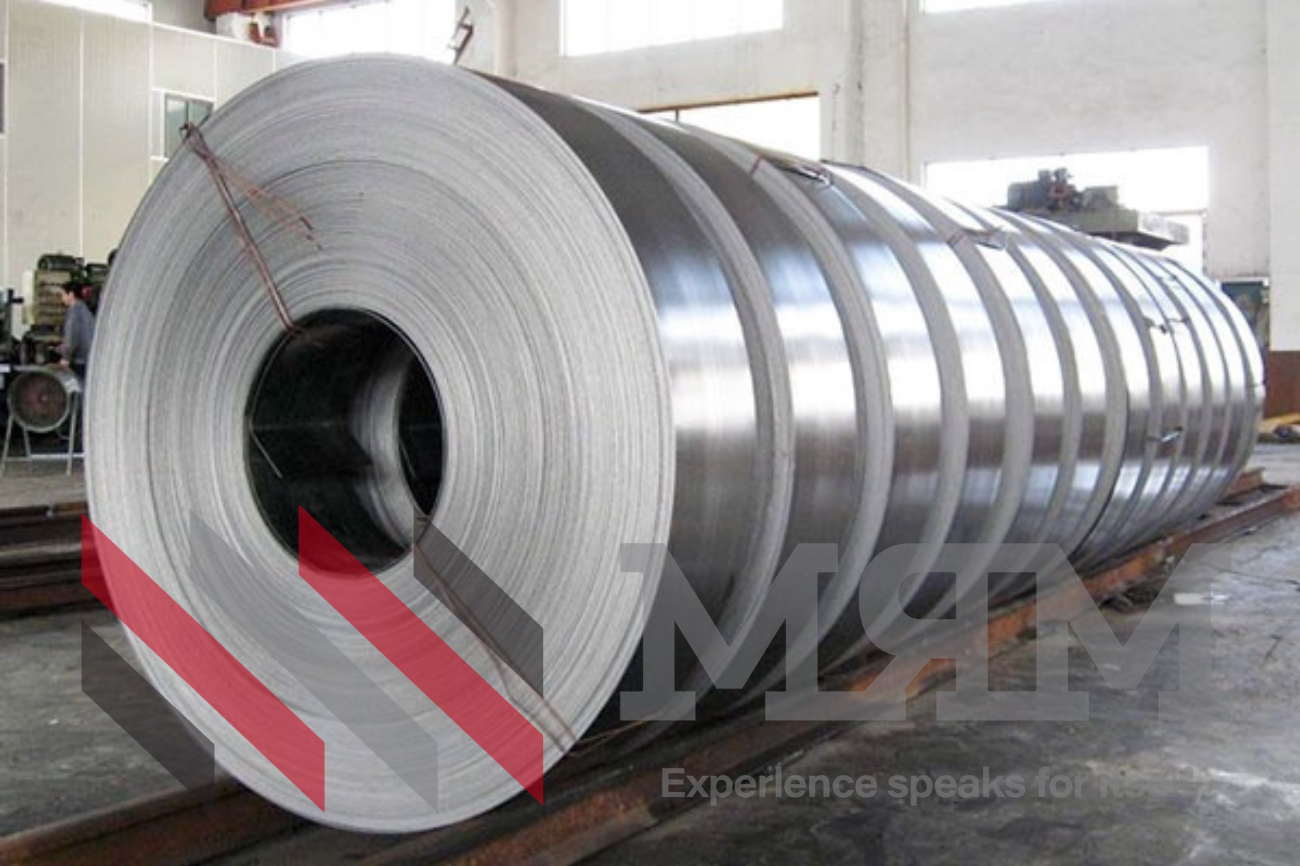
A steel coil is a type of steel product manufactured by rolling steel slabs into long continuous strips, which are then wound into coils for convenient storage and transportation. It is one of the most widely used steel forms today due to its ability to meet diverse requirements in both construction and manufacturing industries.
The key characteristic of steel coils lies in their continuous strip structure, which allows the material to be fed directly into automated processing lines without the need to handle individual sheets. This significantly reduces labor and processing time while improving production efficiency. As a result, steel coils are widely utilized in industries that require mass production with high precision.
In addition, steel coils are available in a wide range of dimensions and technical specifications. Thickness can vary from ultra-thin gauges used in electronics and household appliances to thicker grades designed for structural applications. Coil weights are also highly flexible, ranging from several hundred kilograms to tens of tons, making them suitable for various production scales.
Beyond convenience, steel coils offer significant logistical advantages. Their coiled form optimizes storage space, reduces transportation costs, and minimizes the risk of damage during handling. These benefits make steel coils a preferred choice in modern material supply chains.
One of the main reasons steel coils are widely favored is their ability to optimize operational costs. Due to their compact coiled form, larger quantities can be transported within the same space compared to traditional steel plates. This significantly reduces logistics costs, particularly for large-scale projects and export activities.
In addition to transportation efficiency, steel coils also contribute to optimizing manufacturing processes. Their continuous strip format allows materials to be cut and processed precisely within production lines, minimizing material waste. Reducing scrap not only lowers raw material costs but also supports environmental sustainability by decreasing industrial waste.
Another crucial advantage is their compatibility with automated production systems. In the era of Industry 4.0, businesses increasingly prioritize automation to improve productivity and reduce reliance on manual labor. Steel coils, with their continuous feeding capability and ease of processing, are ideally suited for modern automated production lines.
Furthermore, the versatility of steel coils enhances their appeal. From construction and mechanical engineering to consumer goods manufacturing, steel coils can meet a wide range of technical requirements. This flexibility enables businesses to adapt production plans and respond to market demands without completely changing raw material sources.
Steel coils available on the market are classified based on production processes, chemical composition, and mechanical properties. Each type differs not only in surface characteristics and structure but is also designed to meet specific technical requirements for different applications. Understanding these classifications helps businesses select appropriate materials, thereby optimizing costs and improving production efficiency.
In practice, four main types of steel coils are commonly used: hot rolled steel coils, cold rolled steel coils, galvanized steel coils, and stainless steel coils. Each type has its own advantages and plays a distinct role in the industrial supply chain.
Hot rolled steel coils are produced at very high temperatures, typically above 1,000°C, when steel becomes malleable and easy to shape. This high-temperature rolling process allows steel to achieve desired dimensions with lower production costs compared to other methods.
These coils are easily recognized by their dark bluish or grayish surface, which is relatively rough and may contain oxide scale. Although they lack a smooth finish, hot rolled steel coils offer excellent strength and load-bearing capacity, making them suitable for applications where surface appearance is not a primary concern.
In practice, hot rolled steel coils are widely used in construction, especially for structural frameworks, industrial buildings, and load-bearing components. They also serve as essential raw materials for producing cold rolled steel and other processed steel products.
Cold rolled steel coils are produced by further processing hot rolled steel at room temperature. This process significantly improves dimensional accuracy and surface quality, resulting in a more refined product.
Compared to hot rolled steel, cold rolled steel coils have a smoother, brighter, and more uniform surface. Thickness is tightly controlled to meet strict technical requirements. Additionally, the cold working process increases hardness, although it slightly reduces ductility compared to hot rolled steel.
Thanks to their superior finish and precision, cold rolled steel coils are widely used in manufacturing household appliances such as refrigerators and washing machines, as well as in the automotive and precision engineering industries. They are ideal for products requiring high surface quality and tight tolerances.
Galvanized steel coils are steel products coated with a layer of zinc through hot-dip galvanizing or electroplating processes. This zinc layer acts as a protective barrier, preventing direct exposure to environmental elements and thereby reducing oxidation and corrosion.
One of the most notable advantages of galvanized steel coils is their excellent corrosion resistance, especially in humid environments or when exposed to mild chemicals. This significantly extends product lifespan and reduces maintenance costs.
In practical applications, galvanized steel coils are widely used in roofing sheets, piping systems, ventilation equipment, and outdoor structures. They are also utilized in electrical and mechanical industries due to their effective surface protection.
Stainless steel coils, commonly referred to as inox, are premium products made from alloys containing high chromium content. This composition enables the formation of a natural oxide layer that protects the steel from corrosion without requiring additional coatings.
In addition to durability, stainless steel offers a bright, aesthetically appealing surface, making it suitable for applications that require both strength and visual quality. Its corrosion resistance is particularly effective in harsh environments such as chemical exposure, marine conditions, and high humidity.
As a result, stainless steel coils are widely used in food processing, medical equipment, kitchen appliances, and high-end interior applications. They are the preferred choice for industries requiring strict hygiene standards and long-term durability.
The production of steel coils involves a series of tightly controlled stages requiring advanced technology and strict quality management. The process begins with the extraction and processing of iron ore, which is then melted in blast furnaces to produce molten iron.
Impurities are removed from the molten iron through refining processes to produce steel with the desired chemical composition. This stage is critical in determining the mechanical properties and overall quality of the final product. The refined steel is then cast into large slabs for subsequent rolling processes.
During hot rolling, the slabs are heated to high temperatures and passed through rolling mills to reduce thickness and shape the material. This process not only forms the product but also improves its internal structure, enhancing strength and load-bearing capacity. The steel is then wound into coils for convenient handling and transportation.
If higher surface quality and precision are required, the steel undergoes cold rolling at room temperature. Additional surface treatments, such as galvanizing or coating, may also be applied to improve corrosion resistance and durability.
The quality of steel coils is not assessed solely based on surface appearance but must also comply with stringent technical standards. In modern industry, where even minor deviations can impact entire systems, ensuring steel quality from the outset is essential. High-quality steel not only guarantees durability but also ensures stable and precise processing performance.
International standards such as TCVN, JIS, and ASTM serve as critical benchmarks for evaluating steel coil quality. These standards define chemical composition, including the proportions of carbon, manganese, sulfur, and other alloying elements, which directly influence mechanical properties. Parameters such as tensile strength, elongation, hardness, and load-bearing capacity are also strictly controlled.
Dimensional tolerance is another important factor in quality assessment. Thickness, width, and flatness must meet precise requirements to ensure compatibility with automated production lines. In industries such as precision engineering and industrial equipment manufacturing, even minor dimensional deviations can lead to defects or reduced operational efficiency.
Compliance with quality standards enhances reliability and safety during use. In large-scale projects or high-risk applications, using substandard steel can result in serious consequences, including reduced structural lifespan and safety hazards. Therefore, businesses increasingly prioritize sourcing steel with clear certifications and traceability.
In addition to technical standards, certifications such as Certificate of Origin (CO) and Certificate of Quality (CQ) play a vital role. These documents verify product origin and quality, enabling businesses to trace materials and assess supplier credibility, thereby ensuring transparency and reducing risks.
In a highly competitive steel market, selecting standard-compliant products is not only a technical requirement but also a long-term strategy. Consistent quality supply helps businesses minimize risks, optimize operational costs, and improve production efficiency, creating sustainable competitive advantages.
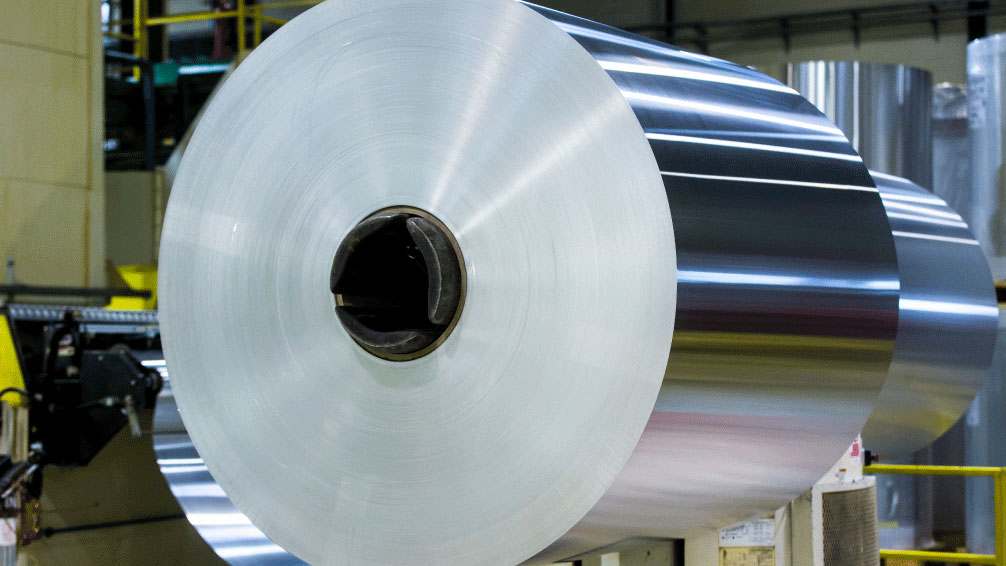
Steel coils are among the most widely used materials in modern industry. Their flexibility, ease of processing, and ability to meet diverse technical requirements make them indispensable across various sectors, from construction and engineering to consumer goods manufacturing.
In construction, steel coils play a vital role in forming load-bearing structures. They are used to produce roofing sheets, purlins, and industrial building frameworks, all of which require high strength and durability. For large-scale projects, steel coils enable faster and more precise fabrication processes.
In manufacturing, steel coils serve as a fundamental raw material for producing machine components, mechanical parts, and technical assemblies. Their adaptability to cutting, stamping, and forming processes makes them ideal for modern production lines.
In the automotive industry, steel coils are used to manufacture car bodies, chassis, and various critical components. Their high strength combined with excellent formability allows manufacturers to optimize designs, reduce weight, and improve vehicle performance. This sector demands extremely high technical standards, making quality steel coils essential.
Steel coils are also widely present in everyday consumer products, including household appliances and furniture. From refrigerators and washing machines to kitchen equipment and interior items, steel coils contribute to durability and aesthetic value. Cold rolled and stainless steel coils are particularly favored for their smooth surfaces and corrosion resistance.
Additionally, steel coils are used in electrical systems, energy infrastructure, and ventilation systems. Products such as pipes, electrical enclosures, and HVAC systems rely on steel coils for their structural integrity and environmental resistance. Their durability ensures stable operation and long service life for technical systems.
Overall, steel coils play an indispensable role across industries, from large-scale infrastructure to daily consumer products. Their versatility highlights their importance in modern industrial development. Selecting the right type of steel coil for each application is crucial for optimizing efficiency and maximizing product value.
In a volatile market environment, choosing the right steel coil supplier is a key factor in maintaining competitive advantage. MRM Steel not only provides products that meet international standards but also offers comprehensive solutions ranging from consultation to processing and supply.
With modern equipment and strict quality control processes, MRM Steel ensures high-precision products that meet the most demanding technical requirements. Its experienced technical team is always ready to support customers in selecting the most suitable solutions for each specific project.
Beyond material supply, MRM Steel accompanies customers throughout project implementation. The combination of high-quality products and professional services helps optimize production efficiency and enhance overall project value.
Steel coils are fundamental materials in modern industry, playing a crucial role in sectors ranging from construction to manufacturing. Understanding their characteristics, classifications, and production processes enables businesses to make informed decisions, optimize costs, and improve operational efficiency.
In an increasingly competitive environment, partnering with a reliable supplier like MRM Steel provides businesses with confidence in every decision. Choosing the right steel coils from the beginning is not only a technical solution but also a long-term strategy for sustainable development. Please contact MRM Steel via hotline (877) 289 – 6429 for professional consultation.