
 EN
EN PT
PT


Head Offices:
Hotline: (877) 289-6429
Working Hours:
Monday to Saturday 6:00 AM – 7:00 PM, Sunday Closed
Website: https://mrmsteel.ai/
In modern mechanical engineering and construction, steel plates are considered a vital material due to their high strength, superior load-bearing capacity, and fabrication versatility. Produced by flattening steel into plates of various thicknesses and dimensions, they effectively meet diverse technical requirements across multiple industries.
From mechanical fabrication, shipbuilding, and automotive manufacturing to civil and industrial construction, steel plates serve as a fundamental component in creating durable and safe structures. Thanks to their adaptability to various working environments and technical specifications, this material is increasingly utilized in projects ranging from small-scale to large-scale applications.
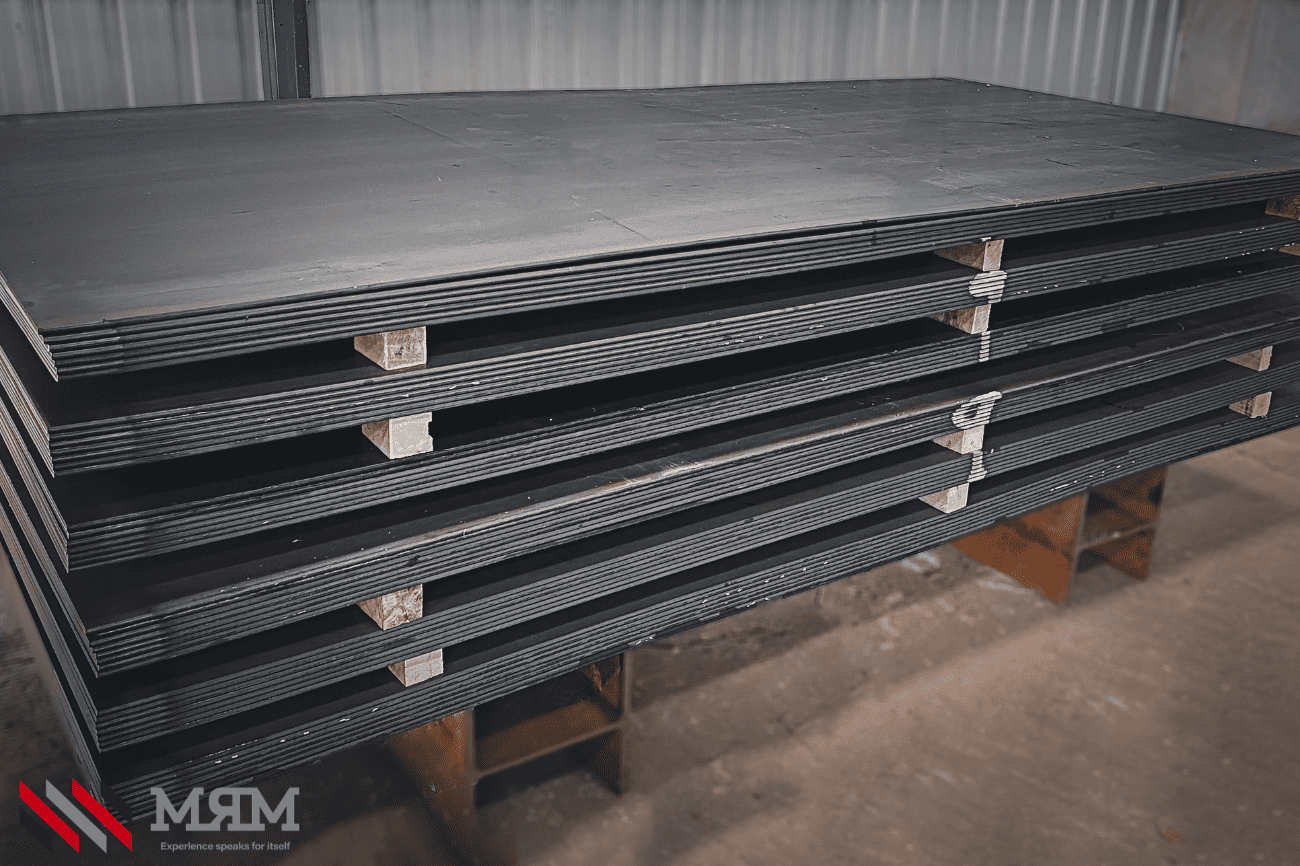
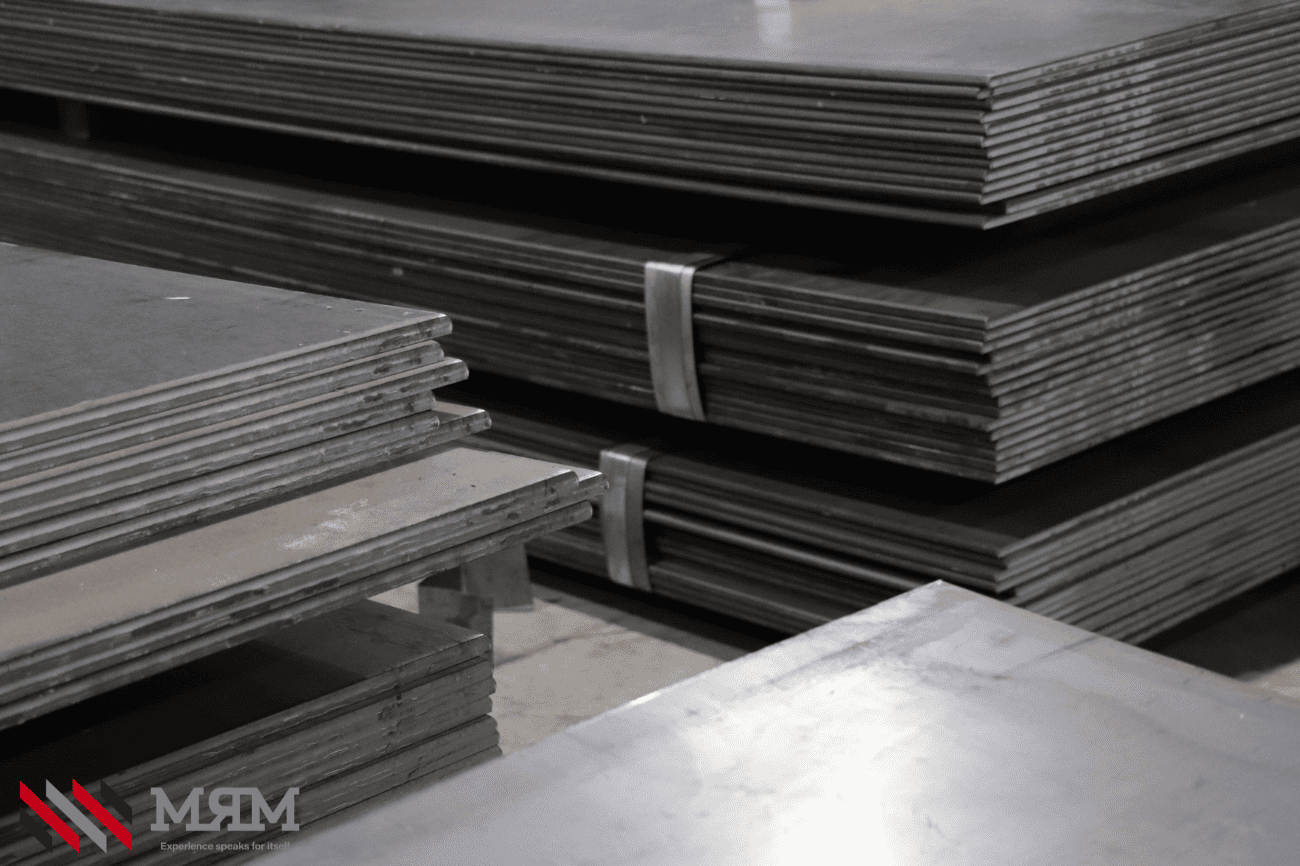
Steel plate is a type of steel produced through the flat rolling process of steel billets, resulting in plates with various thicknesses and dimensions. The thickness of steel plates in the market typically ranges from approximately 0.5 mm to 100 mm, depending on the intended application and manufacturing standards. With stable mechanical properties, high load-bearing capacity, and excellent workability—including cutting, welding, bending, and stamping—steel plates have become a critical material in numerous engineering fields.
In practice, steel plates are widely applied in mechanical fabrication, shipbuilding, automotive manufacturing, steel structures, and industrial/civil construction. Due to the diversity in specifications, steel grades, and production standards, they meet a wide range of technical requirements—from manufacturing machine parts and pressure vessels to heavy-duty structural components. Especially in projects requiring structural integrity, high load resistance, and long-term durability, steel plate remains a preferred foundational material.
High Load-Bearing Capacity and Structural Integrity: Steel plates are highly regarded for their exceptional load-bearing capacity and mechanical strength, ensuring stability and safety for structural projects. With superior physical and mechanical properties, this material is commonly utilized in applications requiring heavy load resistance, such as bridge structures, industrial workshops, pressure vessels, steel frames, and high-rise buildings. Depending on the specific application, various types—such as hot-rolled steel plates or alloy steel plates—are selected to meet requirements for tensile strength, ductility, and performance under diverse loading conditions.
Versatile Application Across Multiple Industries: One of the key advantages of steel plates is their widespread utility in various engineering and manufacturing sectors. In the construction industry, steel plates are used to fabricate steel structures, floor decks, gusset plates, and load-bearing components. In heavy industries such as shipbuilding, oil and gas, or tank fabrication, heavy plates are utilized for ship hulls, storage tanks, and industrial equipment. Conversely, thin steel sheets are typically applied in automotive manufacturing, precision engineering, and household appliances.
Excellent Machinability and Workability: Steel plates possess high workability, allowing for various mechanical processing methods—such as plasma cutting, laser cutting, bending, welding, and stamping—to be performed quickly and accurately. This enhances the efficiency of fabricating metal components, optimizing processing time and increasing labor productivity. For alloy steel plates, despite their high hardness and strength, they maintain good machinability while ensuring mechanical properties are preserved after processing.
Corrosion Resistance and Performance in Harsh Environments: Certain types of steel plates, particularly alloy steel plates, are enhanced with elements such as chromium (Cr), nickel (Ni), or molybdenum (Mo) to boost corrosion resistance and durability in extreme conditions. Due to these characteristics, steel plates are commonly applied in outdoor structures, coastal areas, chemical plants, or equipment systems exposed to high humidity and corrosive chemicals.
Recyclability and Environmental Sustainability: Steel plate is a material that is almost 100% recyclable at the end of its life cycle. The recovery and recycling process does not degrade the material’s quality, significantly conserving natural resources and production energy. This is a key factor that makes steel plate a preferred material aligned with modern trends in sustainable industrial development and eco-friendly practices.
Hot-Rolled Steel (HRC): Hot-rolled steel plates are produced from steel billets through a metallurgical process. The billets are heated to high temperatures (typically above 1,000°C) and passed through a rolling mill system to be pressed and stretched into plates of the required thickness. Due to the high-temperature rolling, hot-rolled plates feature a characteristic blue-black mill scale surface, excellent hardness, and high load-bearing capacity. This type is widely used in steel structures, mechanical fabrication, shipbuilding, industrial tank manufacturing, bridges, and heavy-duty projects.
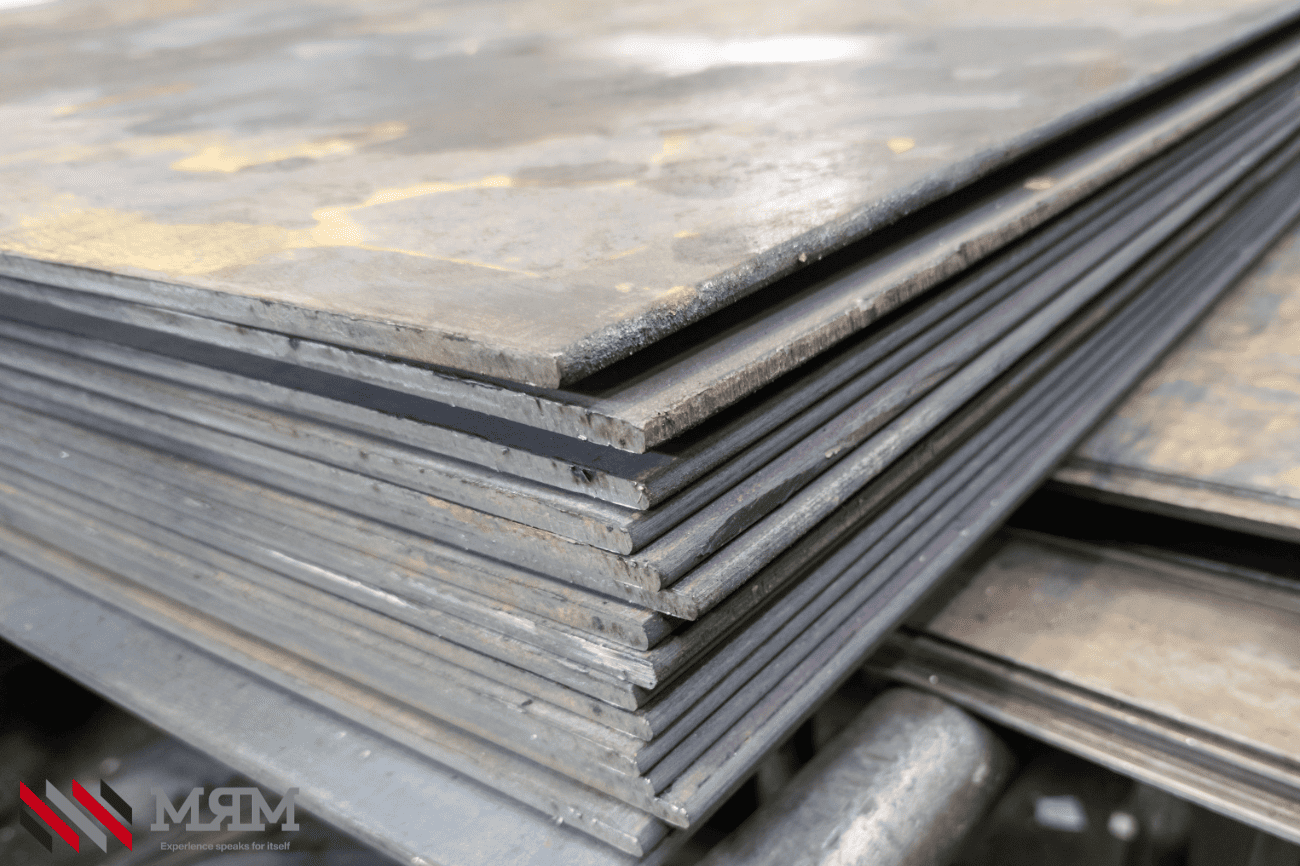
Cold-Rolled Steel (CRC): Cold-rolled steel plates are manufactured by further thinning hot-rolled steel at temperatures near room temperature. The cold-rolling process improves dimensional accuracy, flatness, and surface quality. Compared to hot-rolled steel, cold-rolled plates have a bright, smooth finish, sharp edges, and tighter dimensional tolerances. Common thicknesses range from 0.5 mm to approximately 2 mm, making them suitable for applications requiring high aesthetics and precision, such as automotive components, household appliances, machine casings, electrical cabinets, and precision engineering parts. However, cold-rolled steel requires proper storage to prevent oxidation and rusting when exposed to humidity or chemicals.
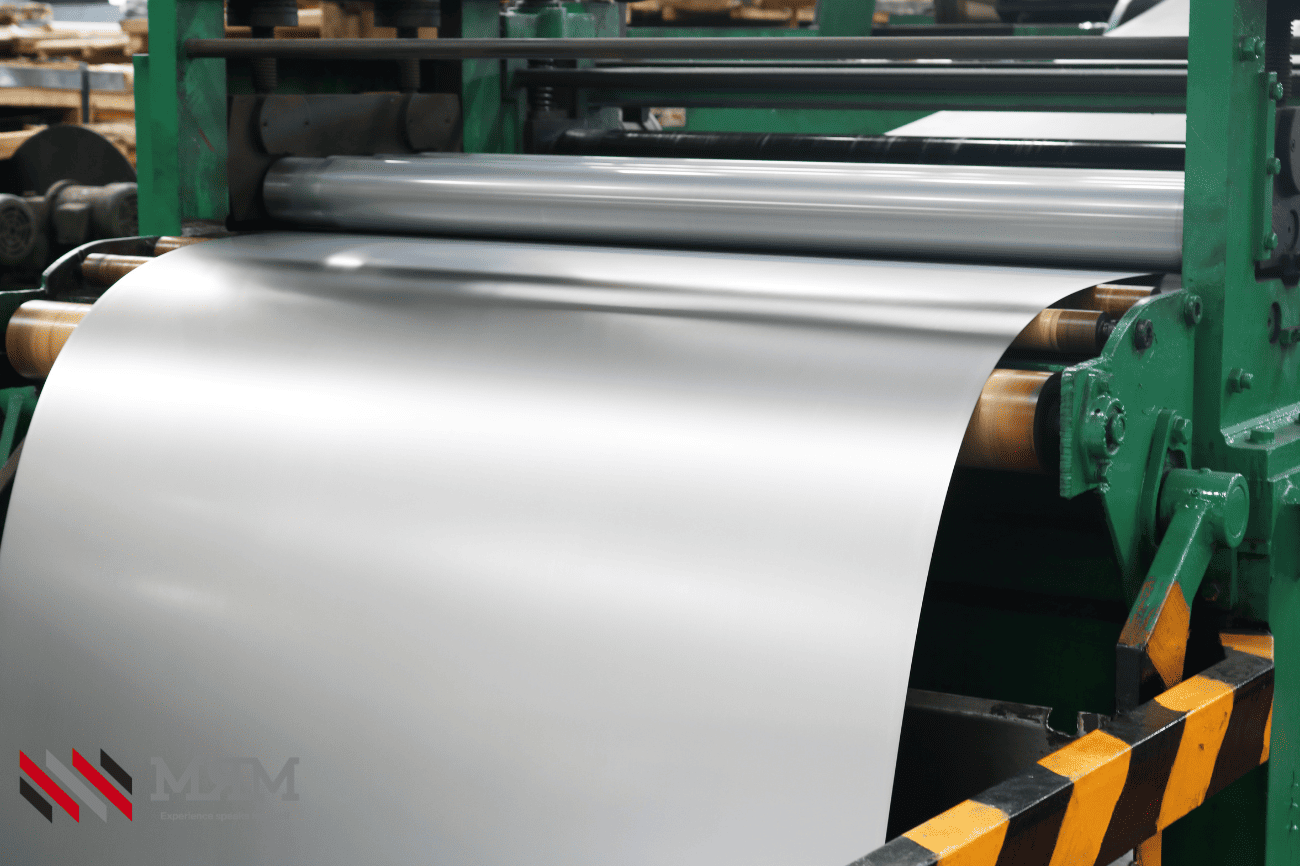
Alloy Steel Plate: This type of steel is enhanced with alloying elements such as Manganese (Mn), Chromium (Cr), Nickel (Ni), Vanadium (V), Molybdenum (Mo), or Cobalt (Co) to improve mechanical and chemical properties. Thanks to these elements, alloy steel plates offer high strength, superior heat resistance, and effective corrosion and wear resistance. They are commonly applied in heavy industries such as oil and gas, shipbuilding, machine manufacturing, heavy-duty structures, or harsh operating environments.
Carbon Steel Plate: Primarily a combination of iron and carbon, with negligible amounts of other auxiliary elements. There are three main categories: low-carbon steel, medium-carbon steel, and high-carbon steel.
Galvanized Steel Plate: These plates are coated with a layer of zinc via hot-dip galvanizing or electro-galvanizing. The zinc layer acts as a protective barrier against oxidation and corrosion, extending the material’s lifespan in humid or outdoor environments. In addition to rust resistance, galvanized steel has a bright, aesthetic surface, often used in construction, industrial equipment, light steel structures, ducting systems, and outdoor metal products.

Chequered Plate (Tear Plate / Diamond Plate): Also known as patterned steel plate, this is a hot-rolled plate with one flat side and one side embossed with raised patterns or ribs. These patterns increase friction, limit slippage, and enhance safety. Due to these features, chequered plates are widely used for industrial flooring, stair treads, truck beds, technical walkways, ship decks, or any area requiring high anti-slip properties.
Correct storage procedures are essential not only to maintain material quality but also to prevent oxidation and corrosion during warehousing and usage. In the steel and mechanical engineering industries, steel plate preservation is a critical factor in ensuring mechanical stability and service life before fabrication or installation.
To effectively store steel plates, the following technical principles should be observed:
Dry and Well-Ventilated Environment: Steel plates should be stored in covered, dry, and well-ventilated warehouse areas to minimize moisture buildup—the primary cause of surface oxidation. Avoid direct contact with water, high-humidity environments, or corrosive chemicals such as acids and industrial solvents.
Proper Blocking and Skidding: During storage, steel plates should never be placed directly on the ground or untreated concrete floors. Instead, use pallets, wooden dunnage, or specialized racks to maintain clearance from the floor. This prevents ground moisture from affecting the steel surface and facilitates easier handling and transport.
Routine Inspection and Maintenance: Stored steel should undergo periodic inspections to detect early signs of surface rust, oxidation, or mechanical deformation. If rust is detected, immediate corrective action—such as surface cleaning, applying rust-preventative oil, or using specialized protective coatings—must be taken to ensure the material meets technical standards before use.
Steel plate specifications are defined by several key technical factors:
Thickness: Commonly ranging from 1.2 mm to 50 mm (or higher upon request).
Standard Dimensions (Width x Length):
– Manufacturing Standards: Common standards include ASTM, JIS, EN, GB, and TCVN. Each standard strictly defines dimensional tolerances, mechanical properties, and chemical composition.
– Markings and Documentation: Markings indicate the steel grade, standard, and thickness.
When purchasing, always request full MTR (Mill Test Reports) or CO/CQ (Certificate of Origin/Certificate of Quality) to verify quality and provenance.
Weight Calculation: The standard formula for steel plate weight is:
Weight = Length × Width × Thickness × 7.85 (kg/m³)
(where 7.85 is the density of steel)
For steel coils, weights typically range from a few tons to dozens of tons, depending on gauge and width.
In conclusion, steel plate is a cornerstone material in modern mechanical fabrication and construction. Understanding technical characteristics, production standards, dimensions, tolerances, and weight calculations allows businesses and contractors to select the optimal material for each project. This ensures structural integrity, optimizes material costs, and enhances construction efficiency.
With high mechanical strength, superior load-bearing capacity, ease of fabrication, and recyclability, steel plates are widely utilized in steel structures, machine manufacturing, shipbuilding, industrial tank production, and large-scale infrastructure. Selecting the correct grade and standard is vital for the durability, safety, and long-term lifespan of any project.
If you are looking for a high-quality, stable supply of steel plates with custom fabrication services, contact MRM Steel via Hotline (877) 289 – 6429 for expert consultation and rapid quoting.