
 EN
EN PT
PT


Head Offices:
Hotline: (877) 289-6429
Working Hours:
Monday to Saturday 6:00 AM – 7:00 PM, Sunday Closed
Website: https://mrmsteel.ai/
Hollow sections steel (commonly referred to as steel tubes or box sections) are among the most widely used structural materials in modern construction and mechanical engineering. Thanks to their high mechanical strength, superior load-bearing capacity, and ease of fabrication, they have become a preferred choice for a variety of projects, ranging from residential housing and industrial workshops to large-scale structural systems.
Featuring a hollow cross-section design, this material not only ensures structural rigidity and stable load resistance but also optimizes structural weight, enhancing construction efficiency and reducing material costs. Consequently, hollow sections are increasingly utilized across numerous sectors of the construction and industrial manufacturing industries.
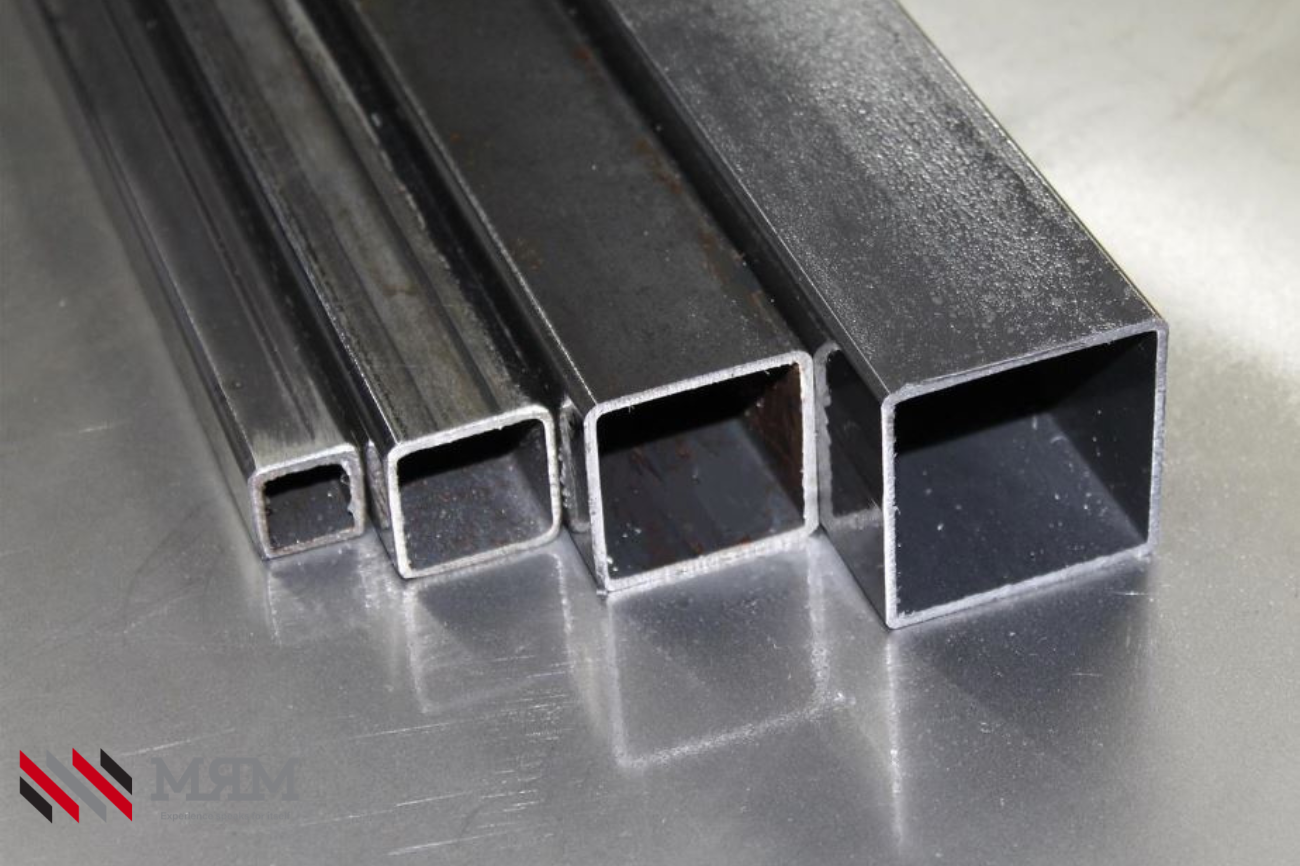
A Hollow Structural Section (HSS) is a type of structural steel with a hollow tubular shape, typically featuring square or rectangular cross-sections. These products are manufactured through either hot-rolling or cold-rolling processes, followed by forming and welding to create a complete steel hollow section.
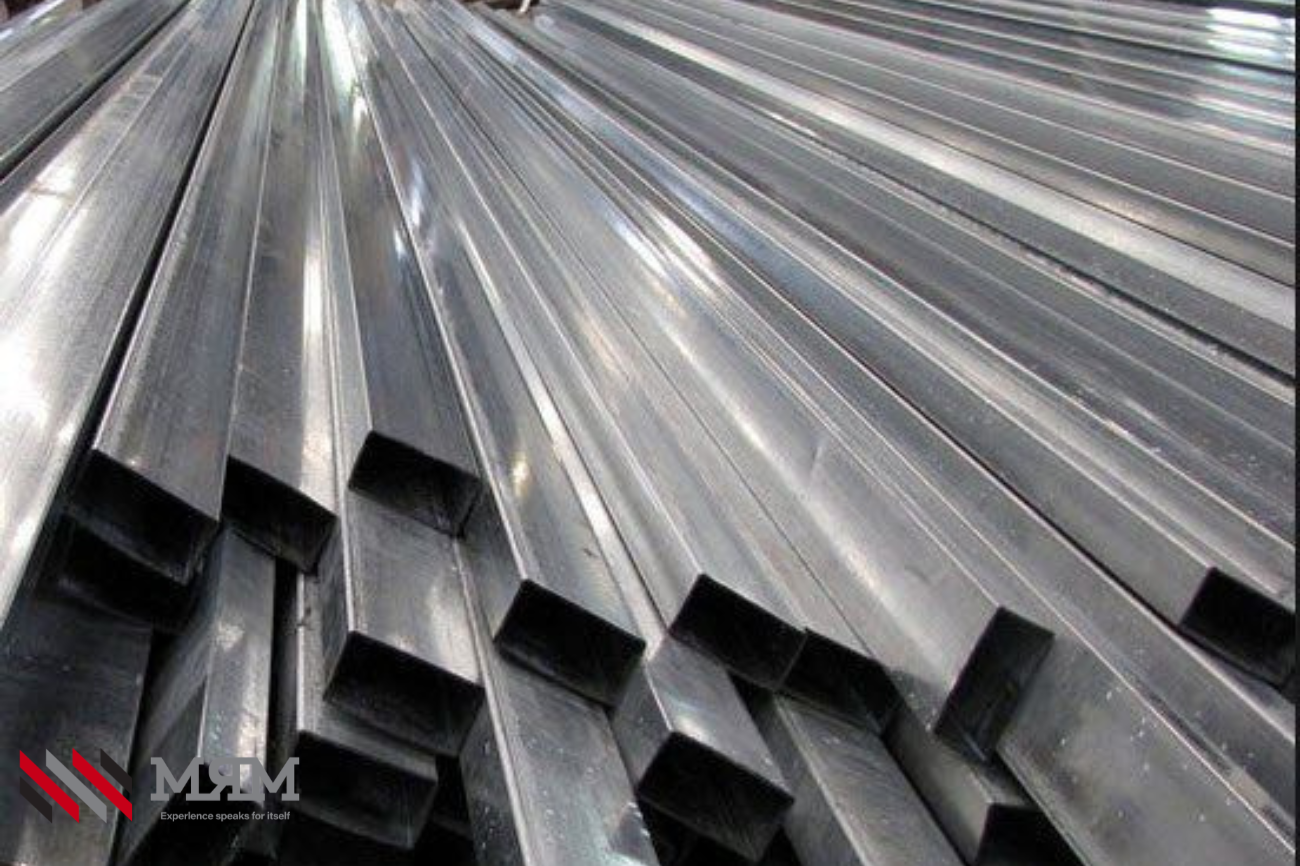
Due to its hollow internal structure, HSS reduces material weight while maintaining structural strength and load-bearing capacity. This design also facilitates easier transportation, installation, and fabrication in construction and mechanical engineering projects.
High Mechanical Strength: Manufactured from high-strength structural steel, hollow sections offer significant load-bearing capacity and maintain stability throughout their service life. This ensures the structure resists warping, limits deformation, and guarantees long-term durability.
Effective Load Resistance: With a hollow design and uniform geometric structure, hollow sections optimally distribute and transmit applied loads. This is particularly critical in structural systems such as steel frames, trusses, and load-bearing components in construction and engineering.
Ease of Fabrication and Installation: Hollow sections offer high flexibility in mechanical processing. The material can be cut, welded, bent, or formed according to specific technical designs, optimizing production and construction workflows.
Long Service Life: When treated with surface methods such as hot-dip galvanizing or anti-corrosion coatings, hollow sections effectively resist oxidation and rusting. This contributes to an extended lifespan for the project and reduces operational maintenance costs.
Aesthetic Appeal: The surfaces of hollow sections are flat and uniform, making them easy to paint or treat. Consequently, the material meets both technical requirements and the aesthetic demands of architectural designs.
Hollow sections are classified based on their cross-sectional shape and manufacturing method.
Square hollow sections are a line of structural hollow steel with a uniform square cross-section and equal side dimensions. These products are manufactured in various specifications, from thin-walled to thick-walled, meeting diverse needs from civil construction to industrial structures.
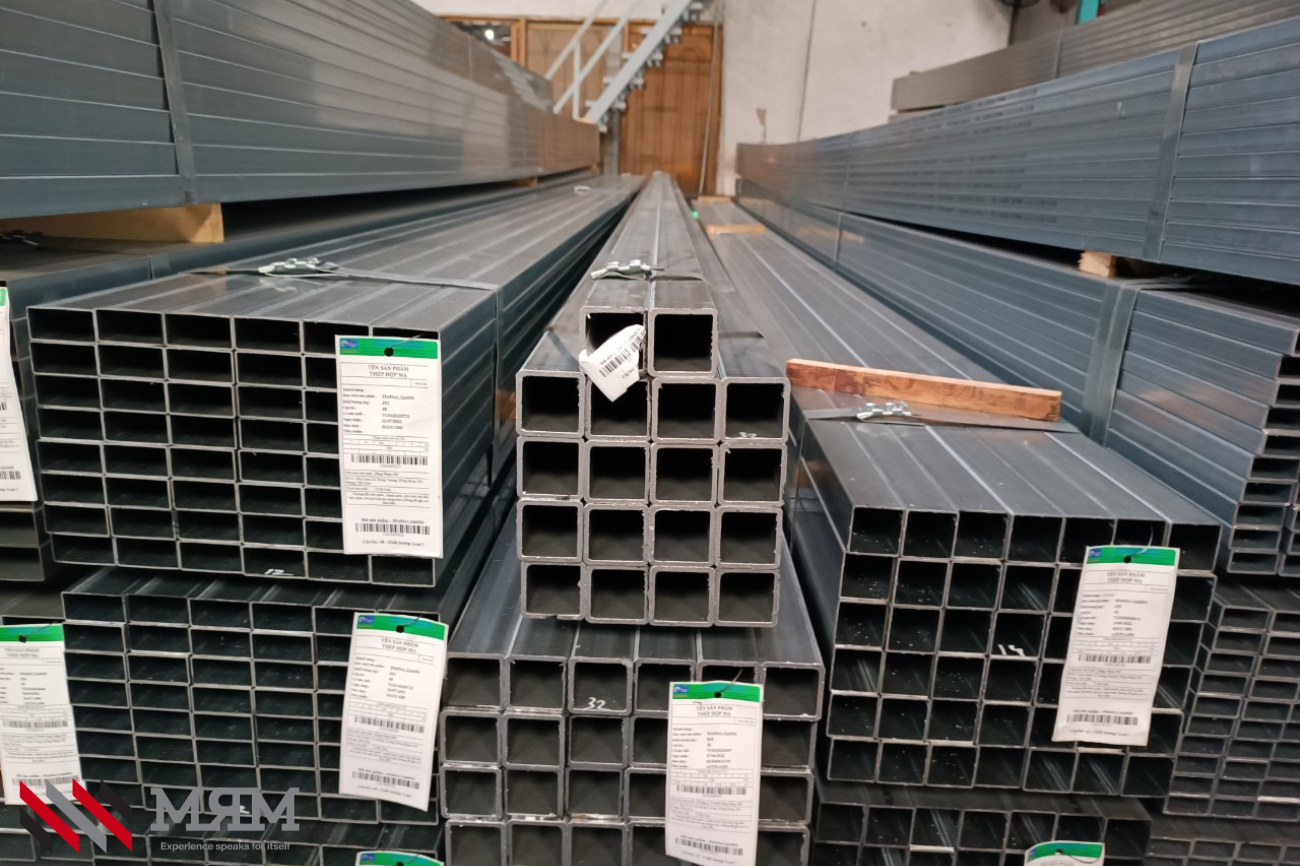
Due to their balanced geometric structure, square hollow sections are capable of distributing loads evenly across all four sides, enhancing the stability and load-bearing capacity of the structure. This material is commonly used in pre-engineered building frames, steel structural systems, industrial racking, railings, fences, and mechanical components. Selecting the correct dimensions and wall thickness according to design requirements optimizes load resistance while improving economic efficiency and the lifespan of the project.
Rectangular hollow sections are structural hollow steel with a rectangular cross-section, where the side length is typically greater than the width. Thanks to this design, the product is particularly suitable for structural members subjected to longitudinal loads or extended load paths.
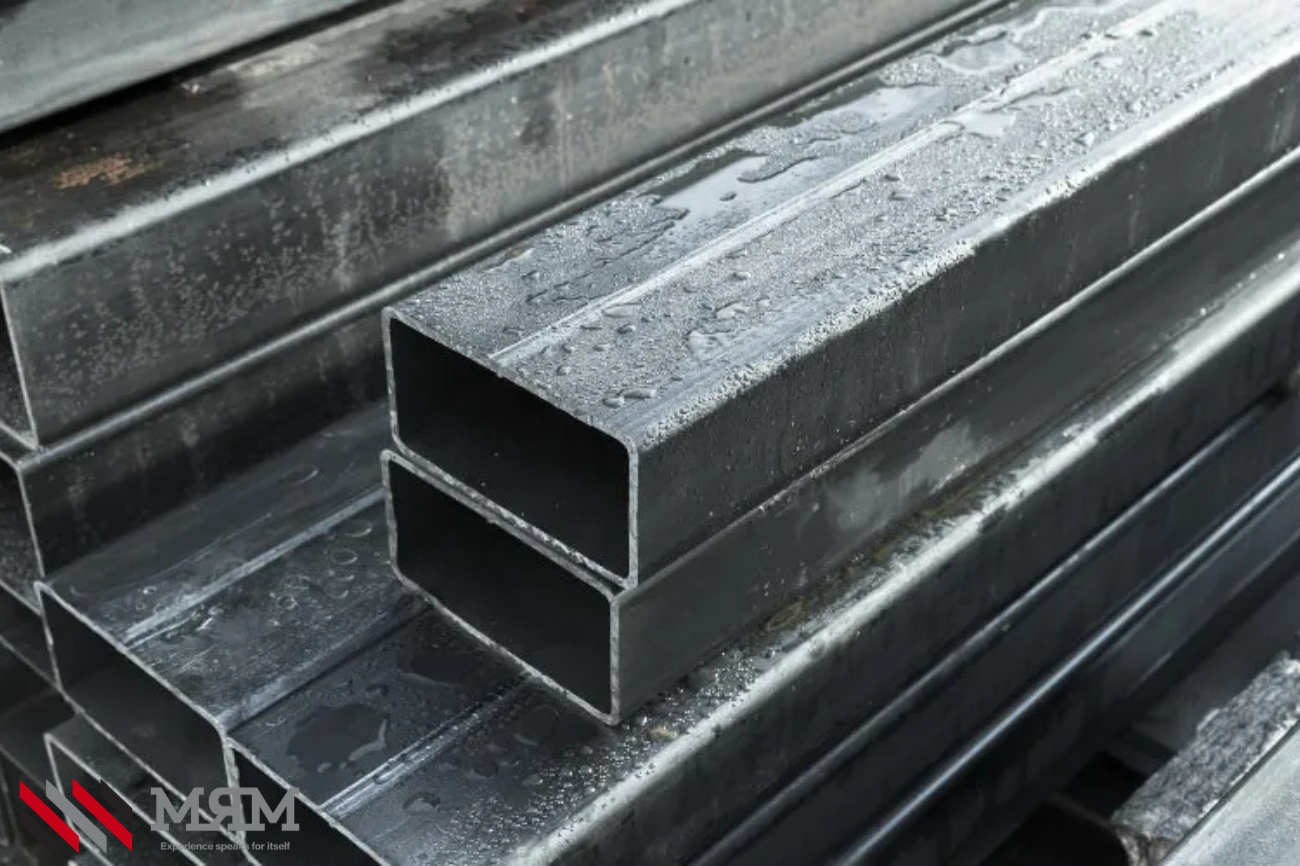
In practical construction, rectangular hollow sections are widely applied in workshop structures, industrial steel frame systems, scaffolding, secondary beams, roof frames, and infrastructure projects. The rectangular structure enhances structural stability and limits deformation under heavy loads; therefore, this material is often prioritized in projects requiring high durability and stability.
In addition to cross-sectional shape, hollow sections are also classified based on their surface treatment, a factor that directly impacts corrosion resistance, service life, and product cost.
Black Steel Hollow Sections (Standard Hollow Sections)
Black steel hollow sections (standard hollow sections) feature a characteristic blue-black or dark grey surface finish caused by the iron oxide layer formed during the hot-rolling process. This type of steel lacks an external anti-corrosion protective coating; consequently, it is cost-effective and widely used in basic structural applications. However, due to the absence of surface protection, black hollow sections are susceptible to oxidation and rusting when exposed to moisture or chemicals. Therefore, this material is typically applied in indoor projects or structures not directly exposed to external environments.
Galvanized Steel Hollow Sections
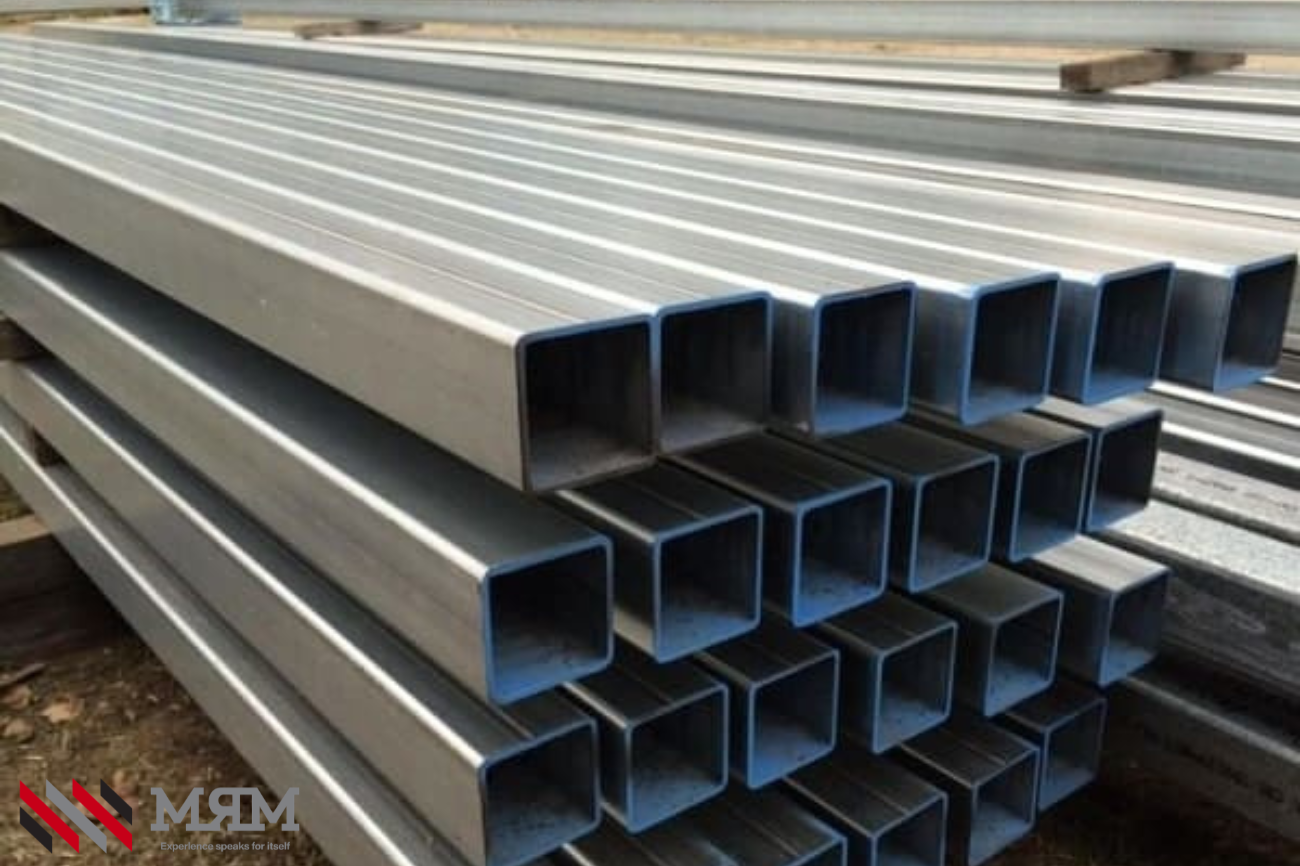
Galvanized steel hollow sections undergo surface treatment by applying a zinc coating to enhance corrosion resistance. This process is generally performed using the hot-dip galvanizing method (submerging the steel in a molten zinc bath) or electro-galvanizing (cold plating). The zinc layer acts as a protective barrier, inhibiting oxidation and increasing rust resistance, which extends the product’s service life to approximately 40–60 years depending on environmental conditions.
Due to these properties, galvanized hollow sections are frequently used in outdoor projects or harsh environments such as coastal areas, transportation infrastructure, industrial workshops, and drainage systems. In practice, hot-dip galvanized (HDG) hollow sections typically offer superior durability and corrosion resistance compared to electro-galvanized versions.
| Type of Hollow Section | Manufacturing Process | Characteristics |
| Seamless Hollow Section (SMLS) | Manufactured from solid steel billets, which are heated and then extruded or drawn into a hollow shape. | Offers the highest strength and material uniformity with no weld seams. Typically used in precision engineering and high-pressure applications. |
| Welded Hollow Section | Manufactured from steel coils (or plates) that are slit into strips, formed into shape, and then longitudinally welded. | Lower production costs and easily adjustable dimensions. This is the most common type available on the market. |
Common Dimensions and Wall Thicknesses: Hollow sections are currently manufactured in a wide range of sizes and thicknesses to meet the demands of construction and mechanical engineering. For Square Hollow Sections (SHS), common sizes typically range from 12x12mm to 200x200mm, with wall thicknesses approximately between 0.6mm and 6mm. Meanwhile, Rectangular Hollow Sections (RHS) commonly feature sizes from 10x20mm to 60x120mm, depending on the structural design requirements and specific application of each project. Selecting the correct dimensions and wall thickness is vital to ensuring load-bearing capacity, structural stability, and material cost optimization. Using steel that is too thin may compromise structural integrity, while choosing excessively thick steel can increase costs unnecessarily.
Manufacturing Standards: On the market today, hollow sections are typically produced according to international technical standards to guarantee quality and safety in use. Some of the most common standards include ASTM (USA) and JIS (Japan). These standards strictly define the chemical composition, mechanical properties, dimensional tolerances, and corrosion resistance of the products. Selecting hollow sections that meet these standards ensures the durability, load-bearing capacity, and lifespan of the project. Conversely, using sub-standard steel can degrade structural quality and pose significant safety risks during both construction and operation.
Hollow sections are widely used due to their excellent load-bearing capacity and high stability. They are essential materials in the construction of pre-engineered buildings (PEB), including components such as columns, rafters, and primary framing systems for workshops, warehouses, industrial plants, and residential housing. Furthermore, hollow sections are applied in space frame systems, creating large-span roof structures for stadiums, train stations, or commercial centers. In specific projects, hollow sections also serve as load-bearing piles for foundation systems, enhancing the strength and stability of the entire structure.
Hollow sections play a vital role in numerous engineering categories. This material is frequently used to manufacture bridge railings, lighting poles, guideposts, and traffic barriers, ensuring durability and resistance to environmental impacts. Additionally, hollow sections are utilized in technical piping systems, including conduits, underground cable protection sleeves, and drainage systems within infrastructure projects.
Hollow sections are favored for their fabrication versatility and aesthetic appeal. The material is commonly used to manufacture door frames, gates, and fencing, particularly galvanized hollow sections due to their superior rust resistance in outdoor environments. Moreover, they are used for awning and canopy frames, providing structural rigidity to secondary building components. Items such as handrails and staircases also frequently utilize hollow sections due to their clean design, ease of installation, and diverse shaping possibilities.
Hollow sections are a key material in various fabrication sectors. They are used to build machine frames, pedestals, and supports for industrial equipment, ranging from light machinery to large-scale production systems. Additionally, hollow sections are applied in furniture manufacturing, such as tables, chairs, beds, or decorative shelving in industrial styles. In the mechanical and transport industries, hollow sections are used to fabricate truck chassis, specialized vehicle frames, and body structures, ensuring durability and load capacity during operation.
Selecting the Appropriate Steel for the Environment: For outdoor projects, humid areas, or coastal environments, priority should be given to hot-dip galvanized (HDG) hollow sections to enhance corrosion resistance and limit rust during long-term use. Meanwhile, for indoor structures or applications with minimal water exposure, black steel hollow sections can be used in combination with a protective paint coating to ensure durability while optimizing material costs.
Verifying Actual Product Thickness and Weight: Before selecting hollow sections, it is essential to check technical specifications such as wall thickness and standard weight. Buyers should request CO/CQ quality certificates from the supplier to guarantee product origin and standards. Additionally, using specialized calipers to measure the actual thickness is a necessary step to ensure the product matches the declared specifications.
Choosing Reputable Brands and Suppliers: Selecting hollow sections from major manufacturing plants or reputable brands ensures that products meet quality, durability, and load-bearing standards. Trusted suppliers typically maintain strict quality control systems and provide comprehensive technical data for their products.
Inspecting Surface Quality: For galvanized hollow sections, pay close attention to the zinc coating on the surface. High-quality steel typically features a uniform, firmly bonded coating without peeling or pitting. A thorough surface inspection ensures corrosion resistance and extends the material’s service life during use.
The robust development of the construction, mechanical, and manufacturing industries is driving an increasing demand for hollow sections. Many key infrastructure projects in urban areas, industrial zones, and transportation systems are creating a massive need for structural steel materials. Furthermore, the expansion of residential and industrial real estate will continue to propel the market in the coming years, offering significant growth opportunities for production and supply chain enterprises.
Alongside market growth, sustainable development and environmental impact reduction are becoming vital directions for the steel industry. Hollow sections produced using energy-saving technologies, reduced carbon emissions, and optimized manufacturing processes are increasingly prioritized. This presents an opportunity for businesses to invest in modern technology and green production workflows, meeting market demands while contributing to the material industry’s sustainable development goals.
In conclusion, hollow sections play an increasingly critical role across various fields, from civil and industrial construction to technical infrastructure. Thanks to their high durability, superior load-bearing capacity, ease of fabrication, and versatile applications, they have become an indispensable material in modern structures. Choosing the right type of hollow section for technical requirements and environmental conditions not only ensures safety and project longevity but also optimizes investment costs and long-term operational efficiency.
Moreover, as the construction and industrial sectors rapidly evolve, the demand for high-quality structural materials continues to rise. This requires businesses and contractors to partner with reputable steel suppliers capable of ensuring stable supply, standardized quality, and professional support services.
With extensive experience in steel material supply, MRM Steel is dedicated to providing reliable steel solutions that meet the needs of modern construction and industrial projects. We are committed to offering standardized products with transparent origins and supporting customers in selecting the most suitable material solutions for every project. Contact MRM Steel today via Hotline (877) 289 – 6429 for expert consultation and the right steel solutions for your project.