
 EN
EN PT
PT


Head Offices:
Hotline: (877) 289-6429
Working Hours:
Monday to Saturday 6:00 AM – 7:00 PM, Sunday Closed
Website: https://mrmsteel.ai/
What Is a Flat Steel Sheet? In the context of the rapidly developing construction and mechanical engineering industries, selecting the right material not only affects durability but also directly determines economic efficiency and the aesthetic value of a project. Among the various metallic materials available today, flat steel sheets are increasingly becoming a preferred choice thanks to their excellent workability, high durability, and wide range of applications.
Unlike traditional corrugated roofing sheets, flat steel sheets feature a smooth, even surface, offering significant potential in modern design and fabrication. The following article provides a comprehensive understanding of flat steel sheets, from basic definitions and structure to classification, technical specifications, and selection guidelines.
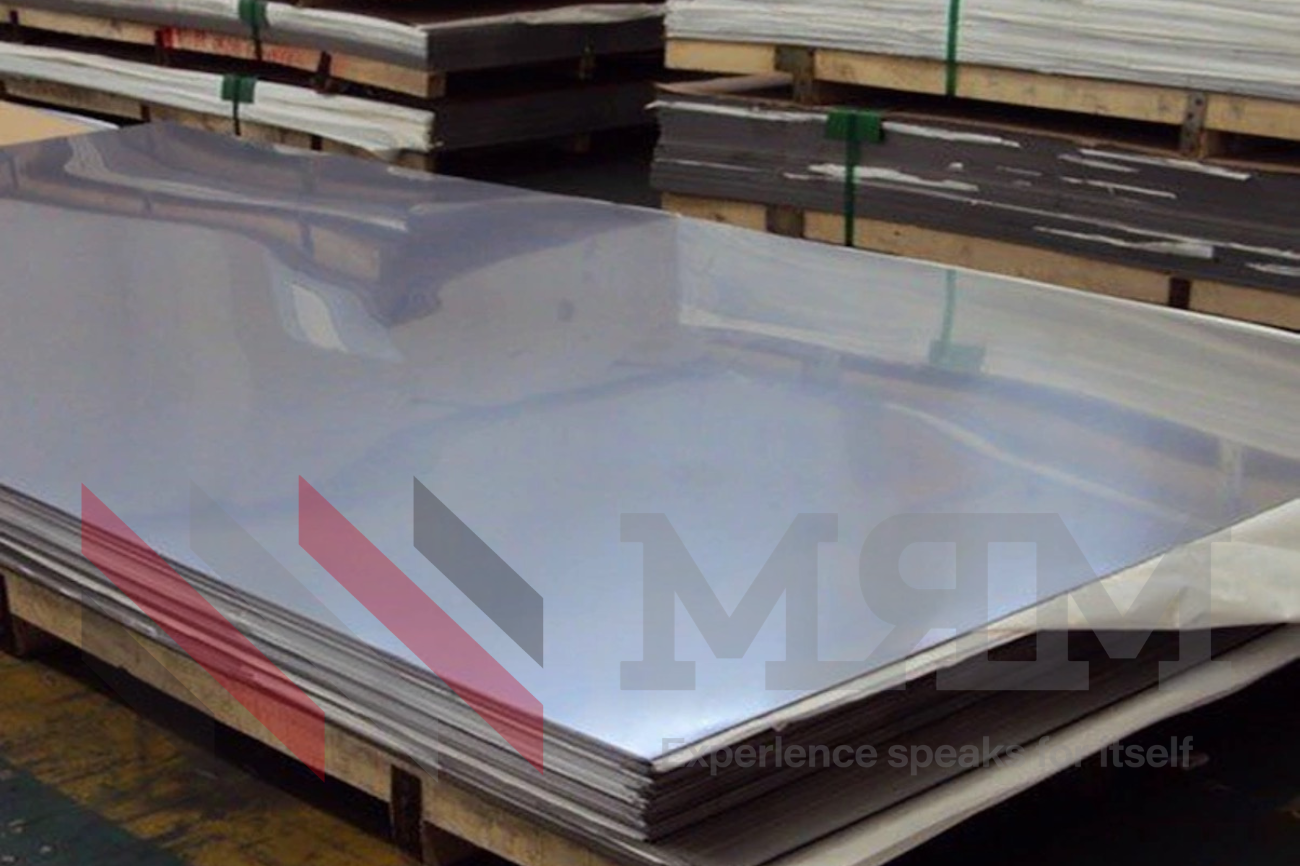
A flat steel sheet, also known as a plain sheet or flat plate, is a metallic material manufactured in sheet or coil form, characterized by a completely smooth surface without any corrugation or ribs.
The product is produced through hot rolling or cold rolling processes from raw steel. As a result, the sheet achieves uniform thickness and a smooth surface, making it highly suitable for fabrication processes such as cutting, bending, forming, and stamping.
This characteristic makes flat steel sheets highly versatile and applicable across multiple industries, including construction, mechanical engineering, and industrial manufacturing.
Flat steel sheets are not simply a single layer of metal but are engineered with multiple layers to enhance durability and resistance to environmental factors.
The core layer is the base steel substrate, which determines the mechanical strength, ductility, and load-bearing capacity. Surrounding the steel core is a protective coating layer, typically zinc or aluminum-zinc alloy, which prevents oxidation and corrosion.
For pre-painted steel sheets, additional coating systems are applied. These include primer and topcoat layers, which not only provide aesthetic color finishes but also improve UV resistance, prevent fading, and extend the product’s service life.
The flat steel sheet market offers a wide variety of products, each designed to meet specific application requirements. Understanding these types helps users select the most suitable material while optimizing cost and performance.
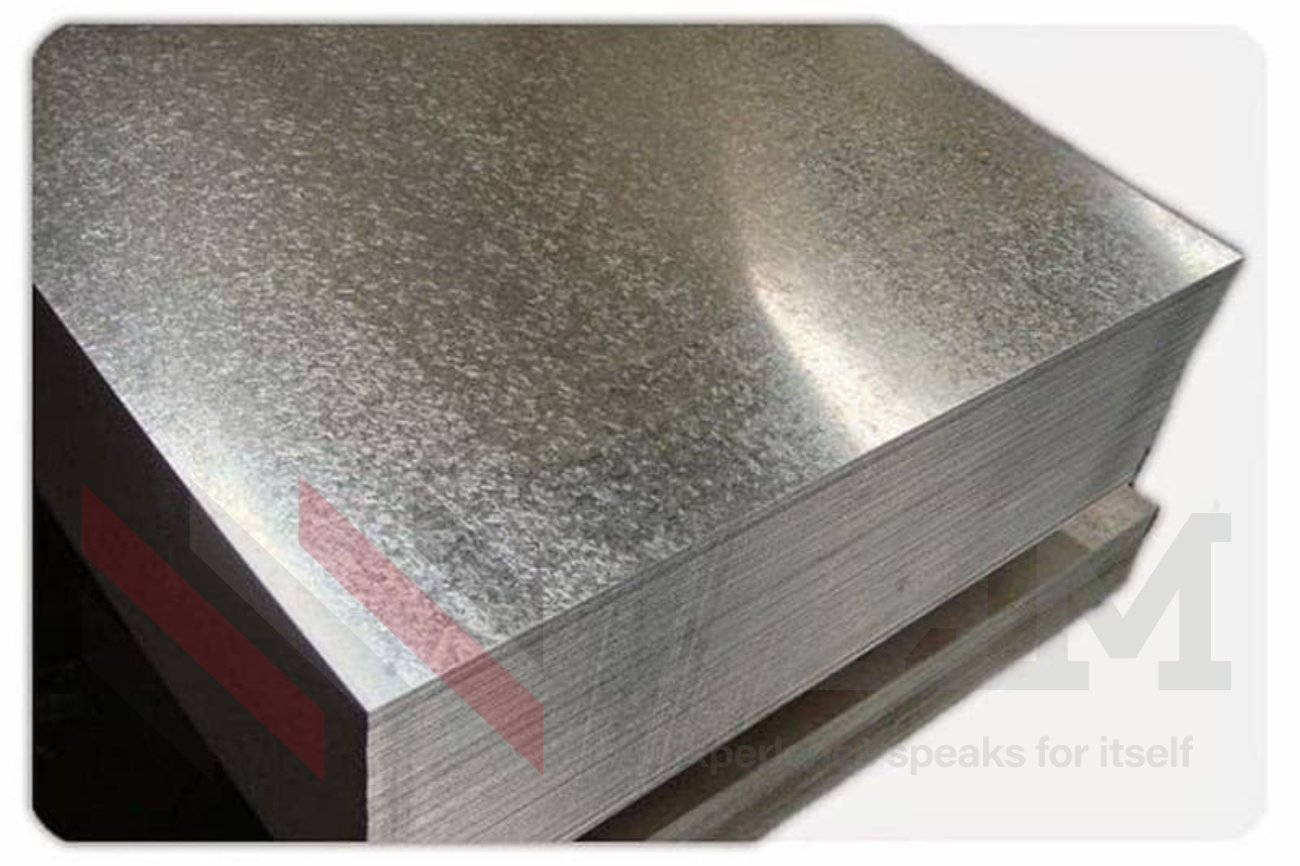
This is the most basic and widely used type. A layer of zinc is applied to the steel surface through the hot-dip galvanizing process, forming a protective barrier against environmental corrosion.
The primary advantage of galvanized sheets is their cost-effectiveness and suitability for general applications. In dry environments or conditions with minimal chemical exposure, these sheets offer relatively long service life.
However, in harsh environments such as coastal areas or industrial zones, their corrosion resistance may gradually decrease over time.
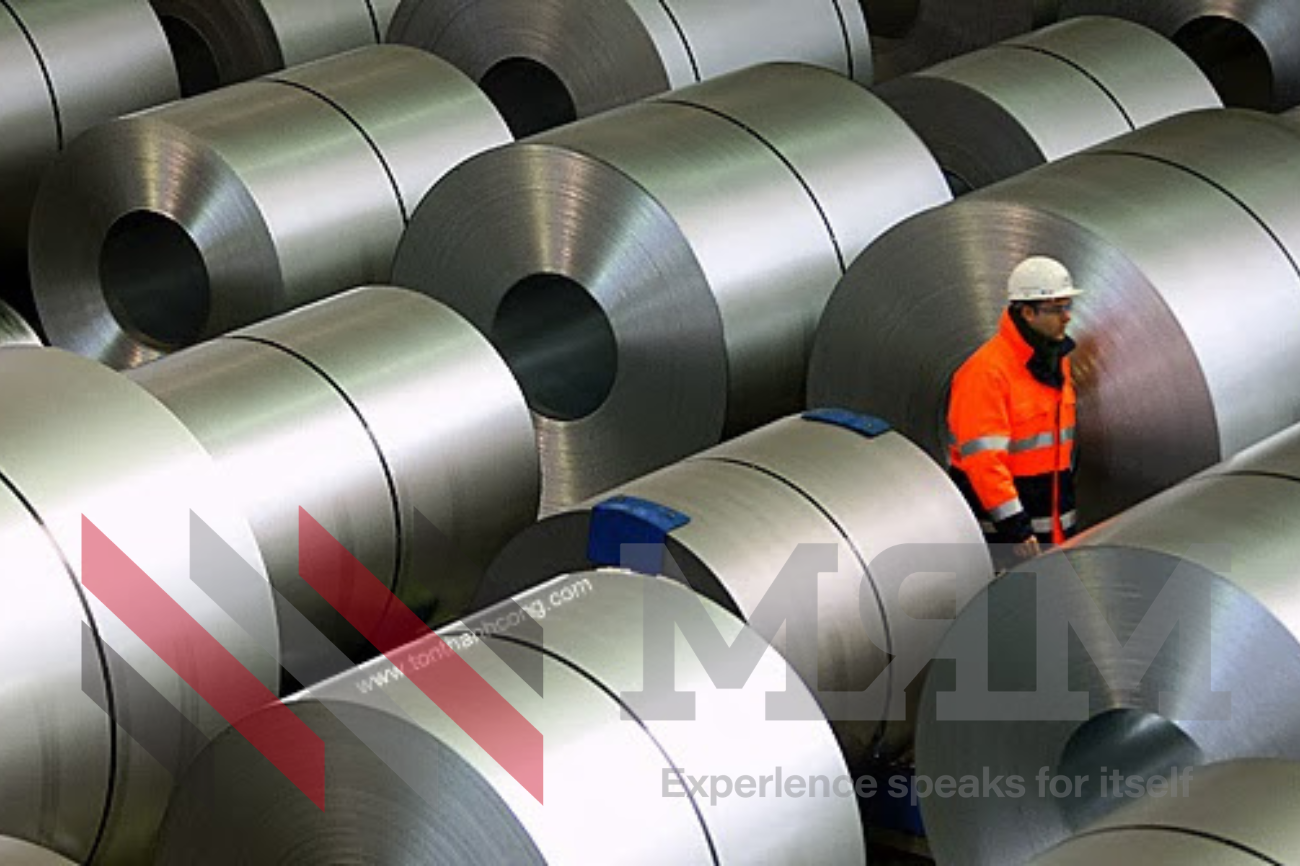
Aluminum-zinc coated steel sheets represent an advanced version of traditional galvanized steel. The coating consists of a combination of aluminum, zinc, and a small amount of silicon, providing dual protection mechanisms.
Aluminum acts as a physical barrier against corrosion, while zinc provides sacrificial protection at exposed or scratched areas.
As a result, these sheets offer significantly higher corrosion resistance compared to conventional galvanized steel. Additionally, their excellent heat reflectivity helps reduce surface temperature, improving thermal performance for buildings.
This type is especially suitable for hot, humid climates or environments prone to oxidation.
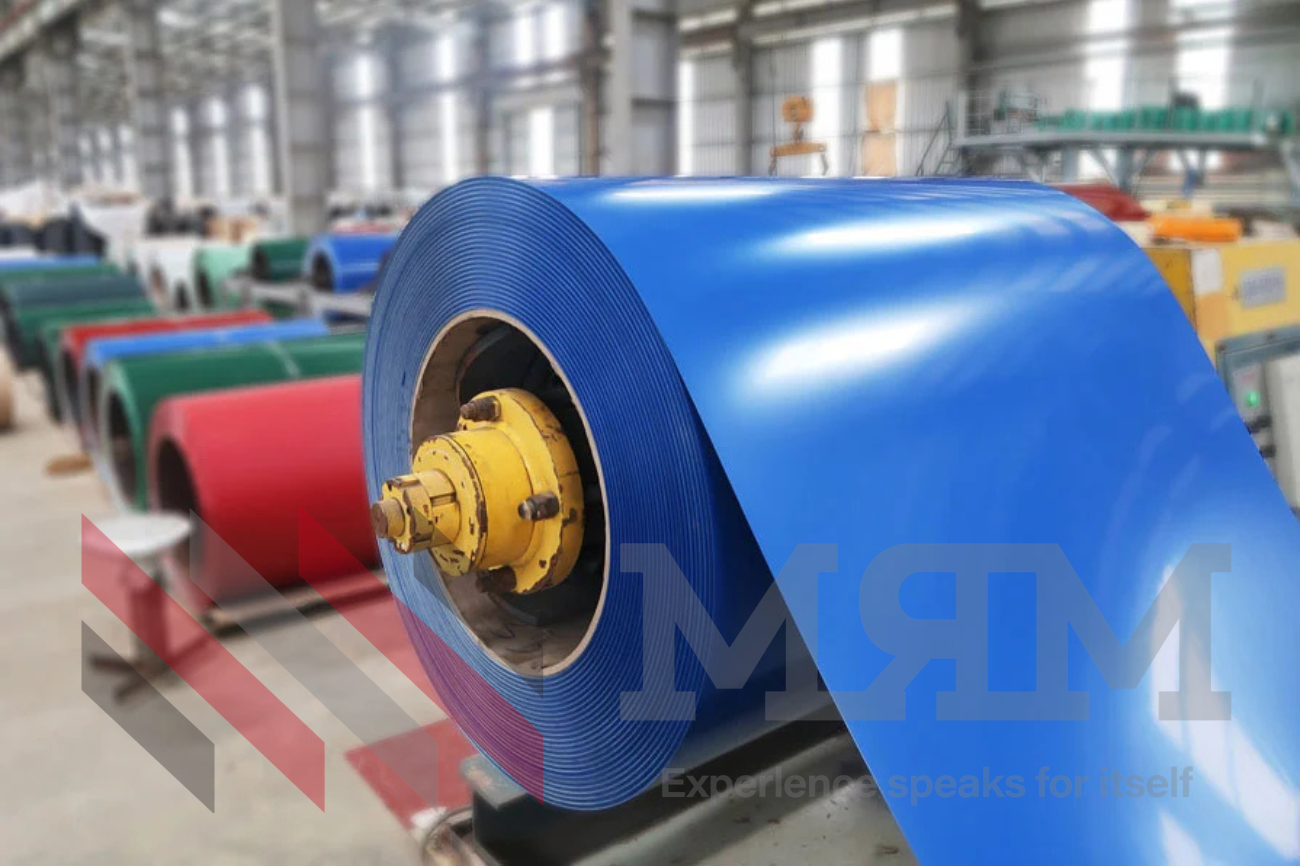
Pre-painted steel sheets combine technical performance with aesthetic value. Multiple layers of industrial coatings are applied to the surface, enhancing color durability and weather resistance.
One of the most notable advantages is the wide range of available colors, making them ideal for architectural applications such as facades, interior decoration, and signage.
Beyond aesthetics, the coating system also serves as an additional protective layer, further extending the material’s lifespan in harsh environments.
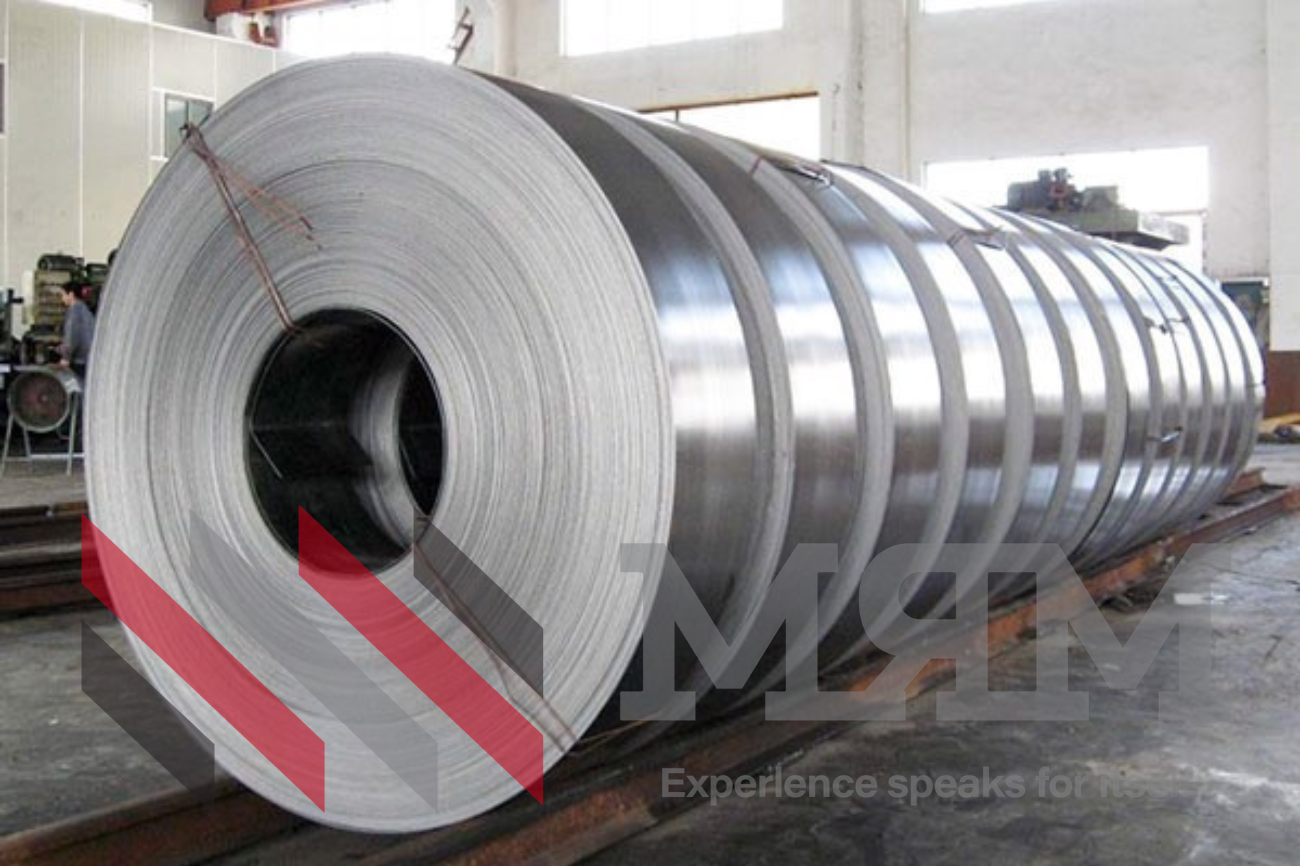
Stainless steel sheets are the highest-grade category among flat steel products. With alloying elements such as chromium and nickel, stainless steel provides exceptional corrosion resistance, even in chemically aggressive or marine environments.
Its smooth, polished surface is easy to clean and highly durable, making it ideal for industries requiring high hygiene standards, such as food processing and medical facilities.
However, the initial investment cost for stainless steel is significantly higher, so it is typically used in specialized applications.
Understanding technical specifications is essential when selecting flat steel sheets to ensure optimal performance and cost efficiency.
Thickness is the most critical parameter, typically ranging from 0.3 mm to over 5 mm, and even higher for heavy-duty steel plates. Thin sheets (0.3 mm to 0.5 mm) are commonly used for decorative applications or light fabrication. Medium thickness sheets (0.6 mm to 1.5 mm) are suitable for doors, partitions, and mechanical components. For heavy-duty applications such as industrial flooring or machinery structures, sheets with thicknesses of 2 mm or more are required.
Standard widths are also important, with common sizes including 914 mm, 1000 mm, 1200 mm, and 1220 mm. Some heavy-duty steel plates may reach widths of up to 1500 mm for industrial applications.
Length is highly flexible. Sheets can be supplied in coils for further processing or cut into specific lengths such as 2 meters, 3 meters, or 6 meters, minimizing material waste and improving installation efficiency.
Additionally, coating thickness plays a significant role in corrosion resistance. The thicker the coating, the better the protection, especially in humid or chemically aggressive environments. For pre-painted sheets, coating quality directly affects color retention and overall durability.
The difference between flat and corrugated steel sheets goes beyond appearance and significantly impacts performance in various applications.
Corrugated sheets are designed with longitudinal ribs or waves, which enhance structural rigidity and load-bearing capacity. This allows them to span larger distances without deformation. Moreover, the corrugated profile facilitates efficient water drainage, reducing the risk of water accumulation.
These characteristics make corrugated sheets ideal for roofing systems, industrial buildings, and outdoor structures.
In contrast, flat steel sheets excel in aesthetics and fabrication flexibility. Their smooth surface enables modern, seamless architectural designs aligned with minimalist trends.
From a fabrication perspective, flat sheets can be easily cut, bent, or formed into complex shapes, which is difficult to achieve with corrugated sheets due to their ribbed structure.
Another key difference lies in maintenance. Flat sheets are easier to clean as they lack grooves where dirt and debris can accumulate, whereas corrugated sheets require more effort for maintenance.
However, if flat sheets are used for roofing without proper drainage design, the risk of water pooling and leakage is higher compared to corrugated sheets.
Ultimately, each material has its own strengths, and the choice depends on the specific application, environmental conditions, and technical requirements.
Flat steel sheets are widely used across various industries due to their versatility and durability.
In construction, they are used for wall cladding, ceilings, doors, partitions, and insulated panels. In the industrial sector, they serve as raw materials for manufacturing electrical cabinets, machinery housings, and cable trays.
Additionally, the advertising and interior design industries utilize flat steel sheets for signage, decorative elements, and architectural features.
Selecting the right flat steel sheet depends on environmental conditions and intended use.
For standard environments, galvanized steel offers a cost-effective solution. In contrast, for harsh conditions such as coastal or industrial areas, aluminum-zinc coated steel or stainless steel is recommended for long-term durability.
It is also essential to verify actual thickness, choose a reliable supplier, and follow proper handling and installation procedures to maximize product lifespan.
In today’s competitive construction materials market, choosing a reliable supplier is just as important as selecting the right material. MRM STEEL is recognized as a trusted provider of high-quality steel products.
The company offers a comprehensive product range, including galvanized steel sheets, aluminum-zinc coated sheets, pre-painted steel, and heavy-duty steel plates. All products undergo strict quality control to ensure compliance with technical standards and long-term durability.
Beyond material supply, MRM STEEL provides customized processing services using advanced machinery, helping customers optimize both time and cost during construction.
With an experienced consulting team and efficient logistics system, MRM STEEL ensures timely delivery to project sites, supporting seamless construction progress. Please contact MRM Steel via hotline (877) 289 – 6429 for professional consultation.
Flat steel sheets are a versatile material that effectively meets both technical and aesthetic requirements in construction and industrial applications. Understanding their structure, classification, and specifications allows users to make informed decisions, optimize costs, and enhance project performance.