
 EN
EN PT
PT


Head Offices:
Hotline: (877) 289-6429
Working Hours:
Monday to Saturday 6:00 AM – 7:00 PM, Sunday Closed
Website: https://mrmsteel.ai/
In the flow of heavy industry and modern infrastructure construction, steel wire is no longer merely an auxiliary material but has become the core “muscular system” of industrial structures. It supports monumental constructions, ensures the stable operation of complex mechanical systems, and plays a vital role in occupational safety. From small tie wires used for reinforcing bars on construction sites to massive load-bearing cables at seaports, understanding the nature of the material is the key to optimizing costs and ensuring long-term sustainability for every project.
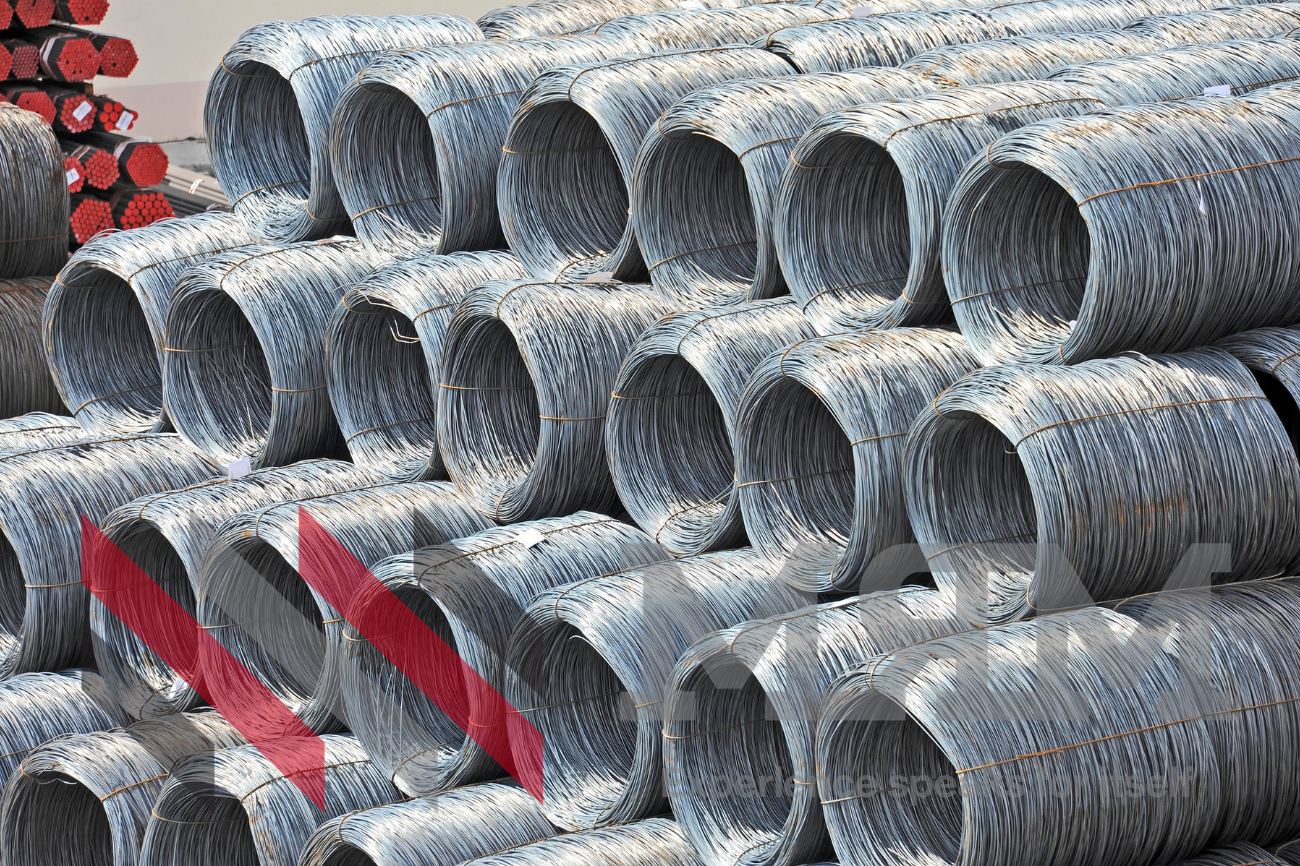
Steel wire is the result of a precise metallurgical and mechanical processing procedure that requires strict control of temperature and pressure. The product is primarily formed from primary wire rod through the cold drawing process. In this method, the steel strand is pulled through a series of drawing dies with progressively smaller diameters at room temperature. Forcing the metal through these die openings not only changes the dimensions but also creates a surface work-hardening effect, rearranging the crystal structure along the longitudinal direction of the wire.
This cold drawing process plays a decisive role in determining the physicochemical characteristics of the final product. It significantly increases the tensile strength and hardness of the steel while producing a smoother surface and more precise dimensions compared to traditional hot-rolling methods. However, after drawing, the steel often becomes more brittle; therefore, depending on the intended application, it may undergo annealing to restore ductility or receive surface treatments such as chemical coating or plating to enhance resistance to harsh environmental conditions.
When discussing steel wire in industrial applications, the concept of steel wire rope cannot be overlooked—a highly complex multi-layer mechanical structure. A standard steel wire rope is composed of three main components: the core, strands, and individual wires. Individual steel wires are twisted around a central wire to form a strand, and multiple strands are then helically laid around a central core. The coordinated interaction between these components enables the rope to withstand extremely high tensile loads while maintaining sufficient flexibility to pass over pulleys and winding drums in lifting equipment.
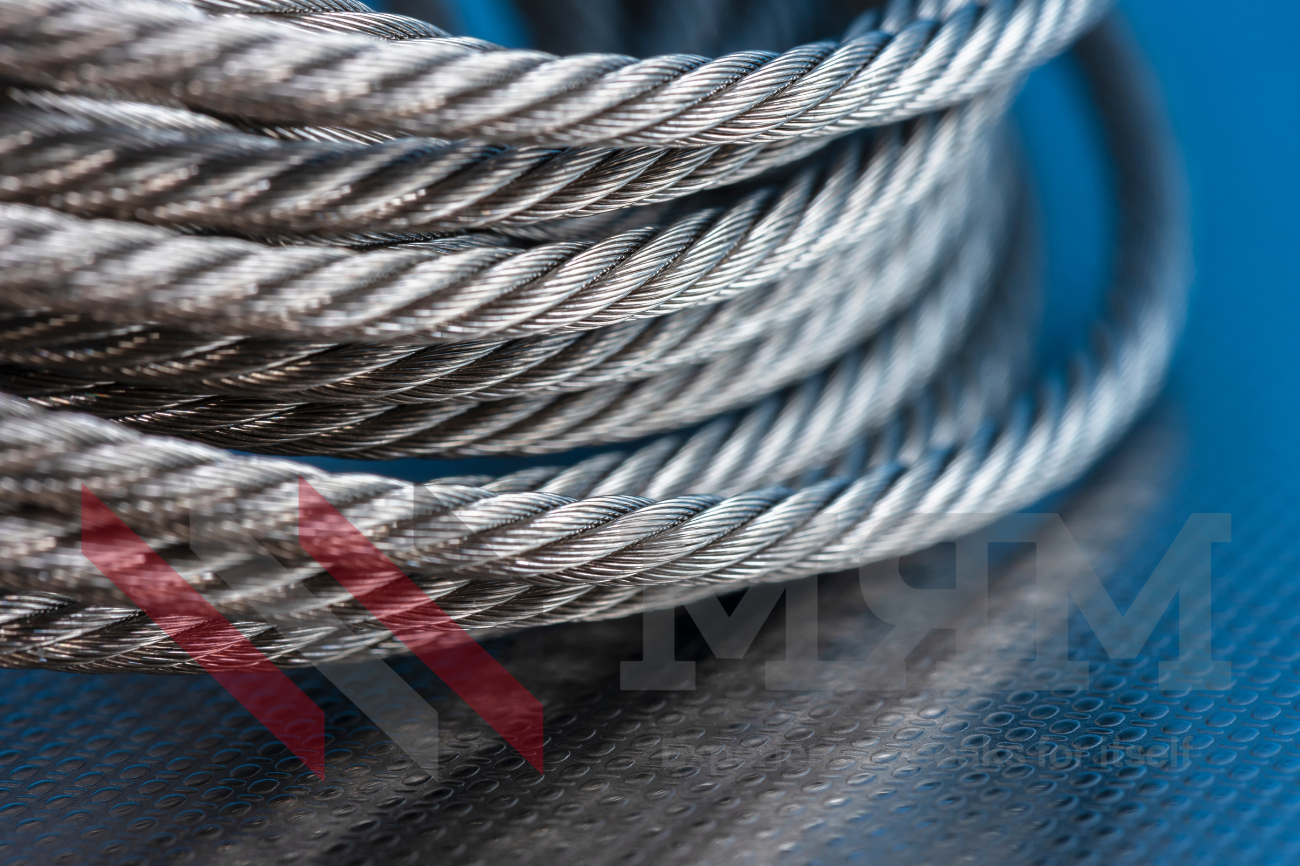
The core of a steel wire rope functions as the “backbone,” maintaining the circular shape of the rope and supporting the strands under heavy loads. Two common types of cores are fiber core (FC), made from natural or synthetic fibers to enhance flexibility, and independent wire rope core (IWRC), which increases resistance to heat and compressive stress. This intricate helical construction allows tensile forces to be evenly distributed across the entire cross-section while also providing a safety warning mechanism through the gradual breakage of outer wires before a complete rope failure occurs.
Each type of steel wire is manufactured with distinct properties to adapt to different environmental conditions and technical requirements. Below is a detailed overview of the most widely used product categories:
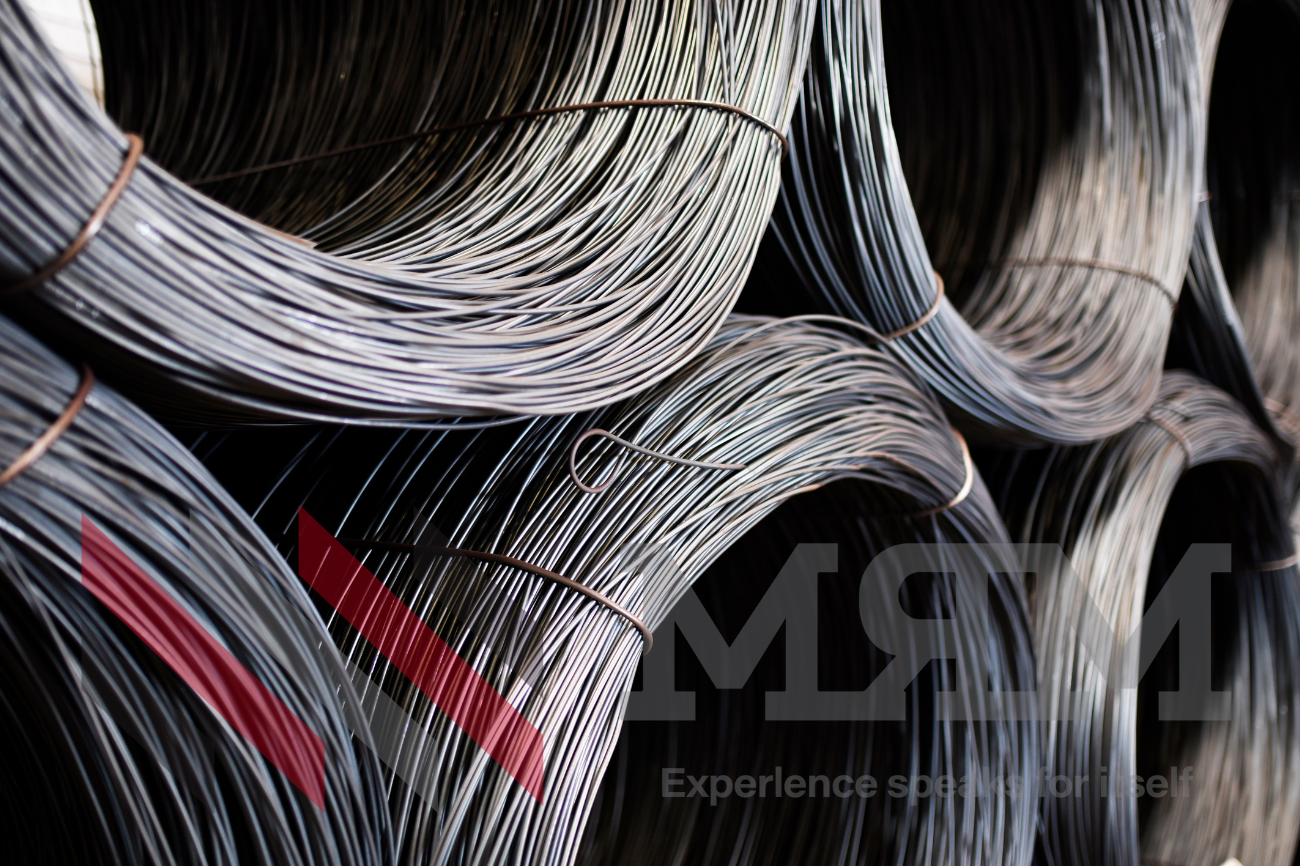
Plain steel wire is the most fundamental form of steel wire, characterized by a smooth surface without chemical plating or coating. Its greatest advantage is extremely high ductility, allowing workers to easily bend, shape, or tie the wire without the risk of brittle fracture.
In construction, black steel wire (commonly 1 mm diameter) is an indispensable companion for tying reinforcing bars before concrete pouring. However, due to its exposed metal surface, this type of wire must be stored carefully in dry environments to prevent oxidation and corrosion.
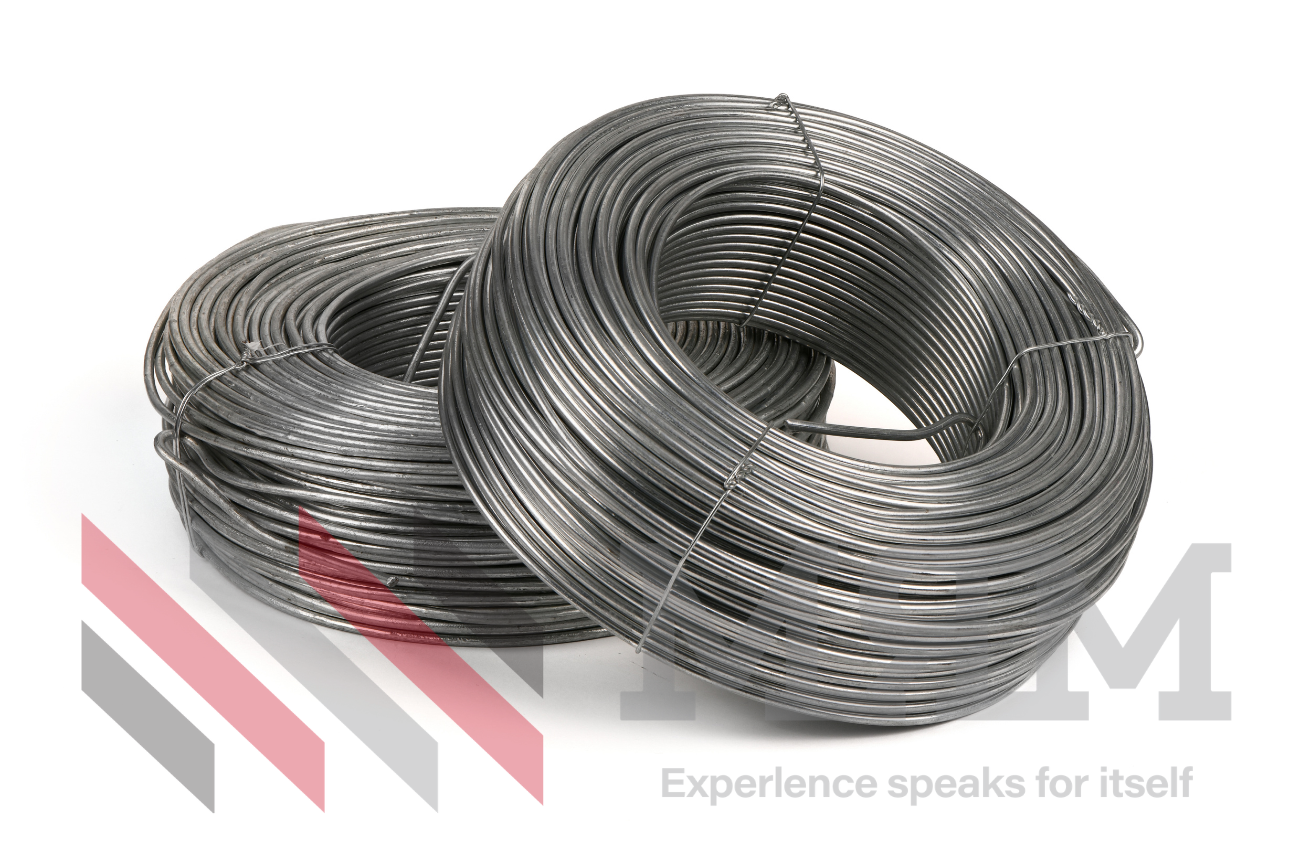
An upgraded version of plain wire, galvanized steel wire is coated with a layer of zinc through electroplating or hot-dip galvanizing. This protective “armor” not only provides a bright and aesthetic appearance but also shields the steel core from moisture and chemical corrosion.
It is the preferred choice for outdoor applications such as chain-link fences, security fencing systems, or tension wires in the power transmission sector. With strict standards such as TCVN 2053 and JIS G305, galvanized steel wire ensures high tensile strength and service life that can extend for decades.
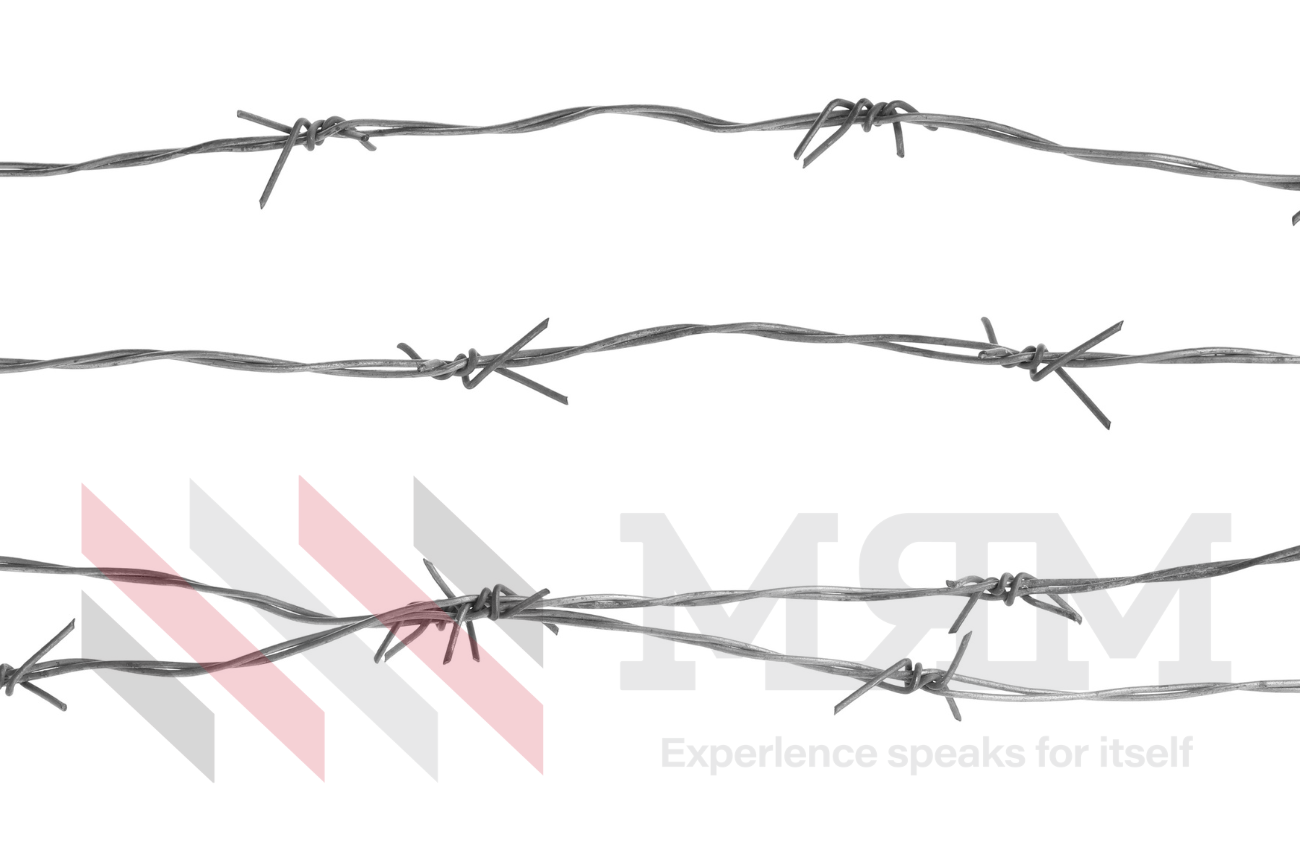
Barbed wire is a specialized product designed for security and protection purposes. It consists of two or more twisted steel wires combined with evenly spaced sharp barbs. This structure creates an effective physical barrier.
Barbed wire is commonly used in military zones, correctional facilities, or agricultural fencing to prevent intrusion by animals or unauthorized persons. Its high durability and resistance to cutting make it a cost-effective yet powerful security solution.
For applications that require both strength and visual appeal, PVC-coated steel wire is an ideal solution. The outer PVC layer—commonly available in green, red, or white—provides excellent corrosion resistance while preventing surface scratches.
This type of wire is widely used in high-tech agriculture for plant support systems such as rose trellises or melon cultivation, as well as in interior and exterior decoration and artistic structural designs.
In harsh environments such as coastal areas or chemical plants, stainless steel wire—especially grade 304—is an irreplaceable choice. With superior corrosion resistance and a surface that maintains its brightness over time, stainless steel wire is commonly applied in high-end installations such as staircase railings, architectural decoration, and precision mechanical components that require cleanliness and durability.
In the construction materials industry, the term “ly” (diameter measured in millimeters) is not merely a dimensional parameter but a critical indicator of load capacity, fatigue resistance, and the economic efficiency of an entire project.
Selecting an incorrect wire diameter may lead to two negative consequences: unnecessary financial waste when oversized wire is used for small loads, or more critically, system safety risks when undersized wire is subjected to excessive loads.
Below is a detailed analysis of the most common diameter ranges currently used in the market.
1 mm steel wire is the thinnest product in the industrial wire category, characterized by exceptional ductility and the ability to be easily bent by hand without mechanical assistance.
In residential construction:
This wire is considered a strategic material for tying reinforcing bars. Its tight knotting capability helps secure main rebars and stirrups in their designed positions before concrete pouring, ensuring the structural integrity of reinforced concrete systems.
In handicrafts and fine manufacturing:
Thanks to its slim profile and excellent formability, this wire is used to create frames for woven products, costume jewelry, or miniature architectural models requiring high precision.
Economic efficiency:
Due to its extremely light weight per meter, a coil of 1 mm wire provides significant length, helping minimize costs for tasks that require numerous tie points but relatively small loads.
This diameter range represents the highest market consumption due to its optimal balance between strength and flexibility. Handling wires in this category typically requires specialized tools such as bolt cutters.
High-tech agriculture:
This size range is commonly used for trellis systems supporting high-value crops such as grapes, passion fruit, melons, or climbing roses. It can withstand the weight of plant canopies and fruit during harvest seasons without excessive sagging.
Fencing and security systems:
Wires from 2.5 mm to 3 mm are the primary components for chain-link fencing, diamond mesh, or tension wires used with barbed fences. These diameters are strong enough to resist typical cutting attempts and maintain high tension during installation across uneven terrain.
Industrial auxiliary applications:
They are also used as structural frames for industrial waste baskets, supermarket trolleys, or hanging hooks in warehouses.
At diameters of 4 mm and above, steel wire transitions from a supporting material to a primary load-bearing structural component in engineering systems.
Pre-engineered steel buildings:
4 mm and 5 mm wires are commonly used as bracing systems for steel frames, enhancing overall rigidity and resisting wind loads and machine vibrations during operation.
Transportation infrastructure:
In these dimensions—typically high-strength galvanized wire—they are used as suspension cables for rural suspension bridges or guardrail tension systems on mountainous roads.
Lifting equipment:
5 mm wire is often stranded into small wire ropes used in food hoists or construction material lifts for low-rise buildings, where absolute safety is required but extremely large cables are unnecessary.
Users should pay close attention to diameter tolerance. In industrial manufacturing, steel wire typically has an allowable tolerance of approximately ±0.05 mm.
For projects requiring high precision or operation in chemical environments, contractors must also consider additional technical factors, including:
Safety factor:
Always select a wire diameter with a breaking load at least 3–5 times higher than the expected working load.
Elongation characteristics:
Larger diameter steel wires generally exhibit lower elongation under load, which is critical for structural bracing applications.
A thorough understanding of each diameter range allows customers of MRM STEEL to make the most intelligent investment decisions. We do not merely supply steel wire—we provide optimized engineering solutions for every millimeter of product.
Entering 2026, the global steel wire and construction materials market is no longer driven solely by traditional supply-and-demand dynamics but is strongly influenced by technical barriers and the global green transition. The world is witnessing a revolution in metallurgical processes, where low-carbon steel and environmentally friendly production technologies have become top priorities for major contractors.
Mechanisms such as the Carbon Border Adjustment Mechanism (CBAM) are making it increasingly difficult for steel products that fail to meet green standards to access export markets, while simultaneously enhancing the value of high-quality materials with certified low emissions.
In a construction materials market that is becoming increasingly diverse yet filled with substandard products, selecting a supplier should not be based solely on price but also on trust and a commitment to quality. The quality of a single steel wire or engineered cable may represent the difference between a structure that lasts for decades and one that becomes a safety risk after only a few years.
MRM STEEL proudly stands as a pioneering supplier of steel material solutions and engineered cable systems that fully comply with stringent international standards such as ASTM (USA), JIS (Japan), and TCVN (Vietnam). We do not simply sell products—we deliver absolute confidence to architects, engineers, and contractors through transparent technical specifications, clear certificates of origin and quality (CO/CQ), and rigorous final quality inspection processes.
The business philosophy of MRM STEEL is built upon sustainable partnership. We understand that the success of our customers in every project is the true measure of our brand reputation. With a team of experienced experts, we are committed to providing highly competitive products without ever compromising quality.
The sustainability of projects, the aesthetics of architecture, and the safety of people remain the highest priorities guiding every transaction at MRM STEEL.
If you are searching for an optimal steel wire solution for factory construction, bridge infrastructure, high-tech agriculture, or complex security systems, do not hesitate to contact us for dedicated support, in-depth technical consultation, and the most accurate price quotations updated according to market fluctuations.
For professional consultation and the latest price quotations, please contact:
MRM STEEL – A Trusted Partner for Every Project
Hotline: (877) 289 – 6429