 EN
EN PT
PT


Head Offices:
Hotline: (877) 289-6429
Working Hours:
Monday to Saturday 6:00 AM – 7:00 PM, Sunday Closed
Website: https://mrmsteel.ai/
What Is Aluminium? In modern industry, Lightweight alloys is one of the fundamental materials, widely used across construction, interior design, mechanical engineering, electrical–electronic industries, and transportation. With its lightweight nature, durability, corrosion resistance, and ease of fabrication, this alloy increasingly asserts its important position in sustainable development trends and material optimization.
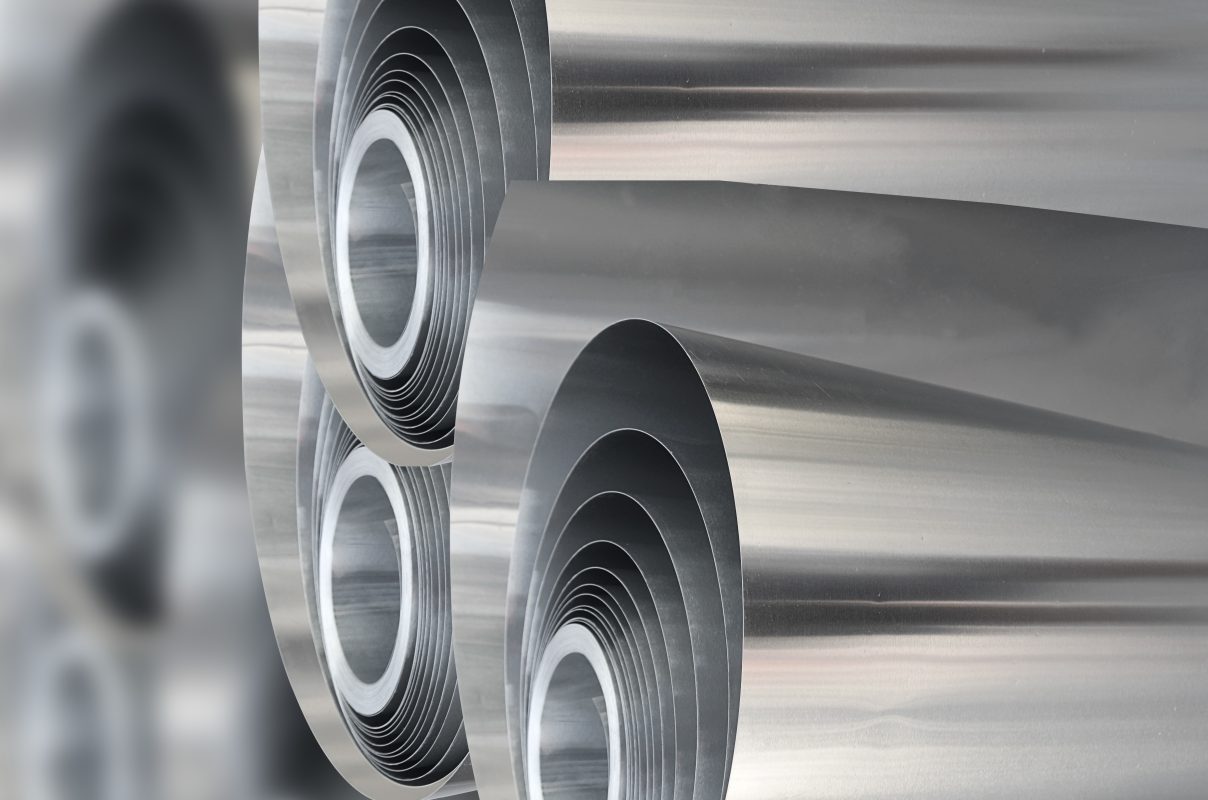
Aluminium, chemical symbol Al, is a metallic element belonging to the group of light metals in the periodic table. Lightweight alloys has a characteristic silvery-white color, a soft and ductile structure, is easy to form, and possesses good electrical and thermal conductivity. One of them’s most outstanding advantages is its natural corrosion resistance, thanks to a thin oxide layer that forms on the surface when exposed to air, protecting the material from environmental effects.
In practice, this alloy is referred to by various names, some people make conflict between aluminum vs aluminium, Lightweight alloys, or mentioned in the form of applied materials such as alu. Alu is an aluminum–plastic composite panel with light weight, high durability, and aesthetic surface quality, widely used in construction, advertising, and interior–exterior decoration.
In addition to pure, they alloy is the most widely applied material form today. This alloy alloys are blended with elements such as copper, magnesium, manganese, or zinc to increase hardness, mechanical strength, and load-bearing capacity, flexibly meeting both residential needs and high technical requirements in industry.
Metallic materials is the third most abundant element in the Earth’s crust, accounting for more than 8% by mass, ranking only after oxygen and silicon. However, in nature, this alloy does not exist in a free metallic state but mainly appears in the form of compounds, most commonly in bauxite ore and aluminium-containing minerals, present in rocks, plants, and living organisms.
According to documentation from reputation report, this alloy was first successfully produced in 1824, marking an important milestone in the history of materials:
“The discovery and production of Metallic materials only became feasible when scientists were able to use electricity to separate chemical compounds into individual elements. In the nineteenth century, Danish physicist Christian Ørsted first obtained this material through electrolysis. To this day, electrolysis or the electrolytic reduction process remains the core technology in this alloy production worldwide.”
Thanks to advances in metallurgical science and technology, metallic materials has evolved from a rare and expensive metal into a strategic material, playing an irreplaceable role in many modern industries.
With the development of modern machinery to meet user demands, this alloy composite panels (alu) are manufactured in various types:
Exterior lightweight alloys composite panels: Exterior alu panels are lightweight, available in various colors, and are commonly used for cladding building surfaces, making partitions, or outdoor lightweight alloys signage. As they are frequently exposed to weather and natural climatic conditions, this type of alu is designed with high durability, good load-bearing capacity, water resistance, and strong corrosion resistance.
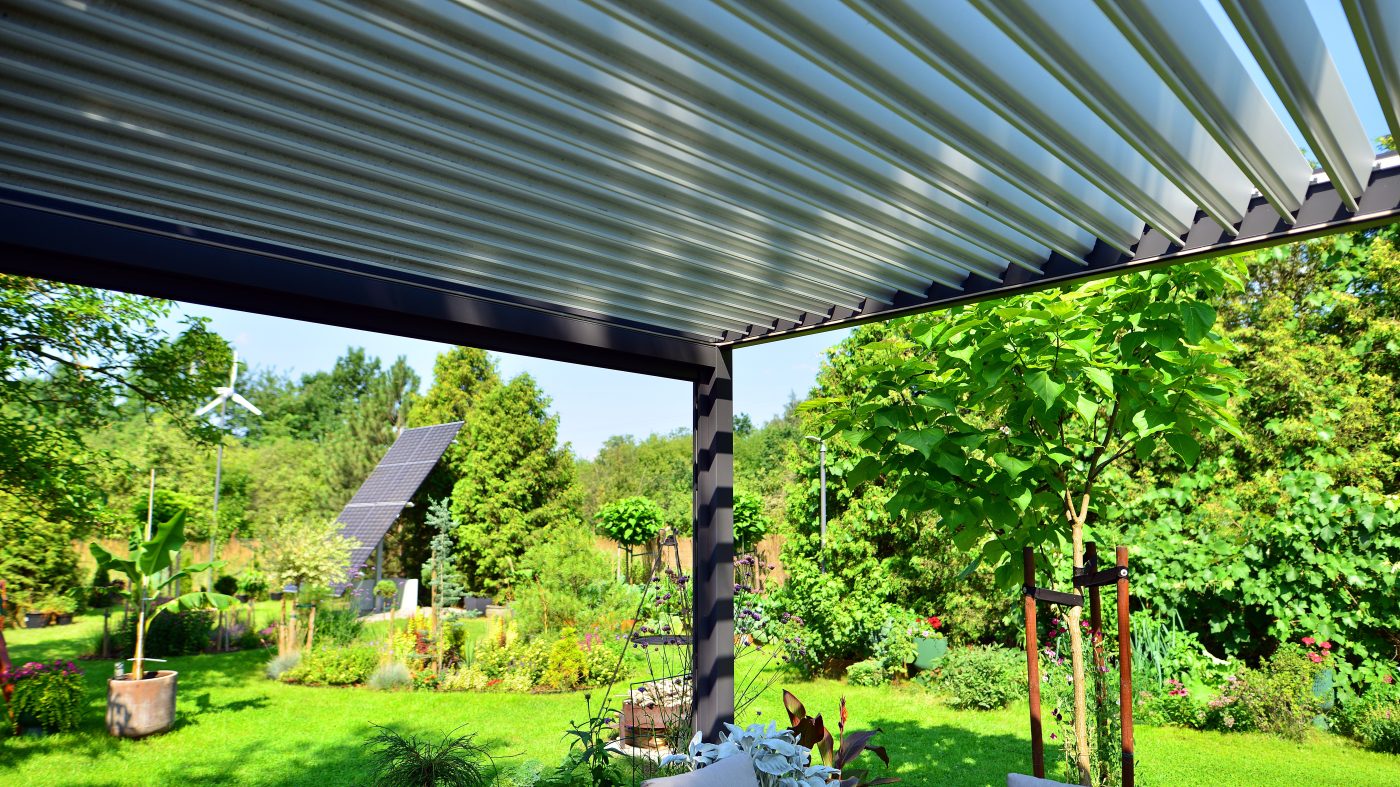
Interior aluminium composite panels: These are alu panels used for indoor cladding and interior decoration, and they are less exposed to environmental impacts. They are usually thinner than exterior alu panels and more affordable in cost. However, interior alu panels require higher aesthetic quality compared to exterior alu panels.
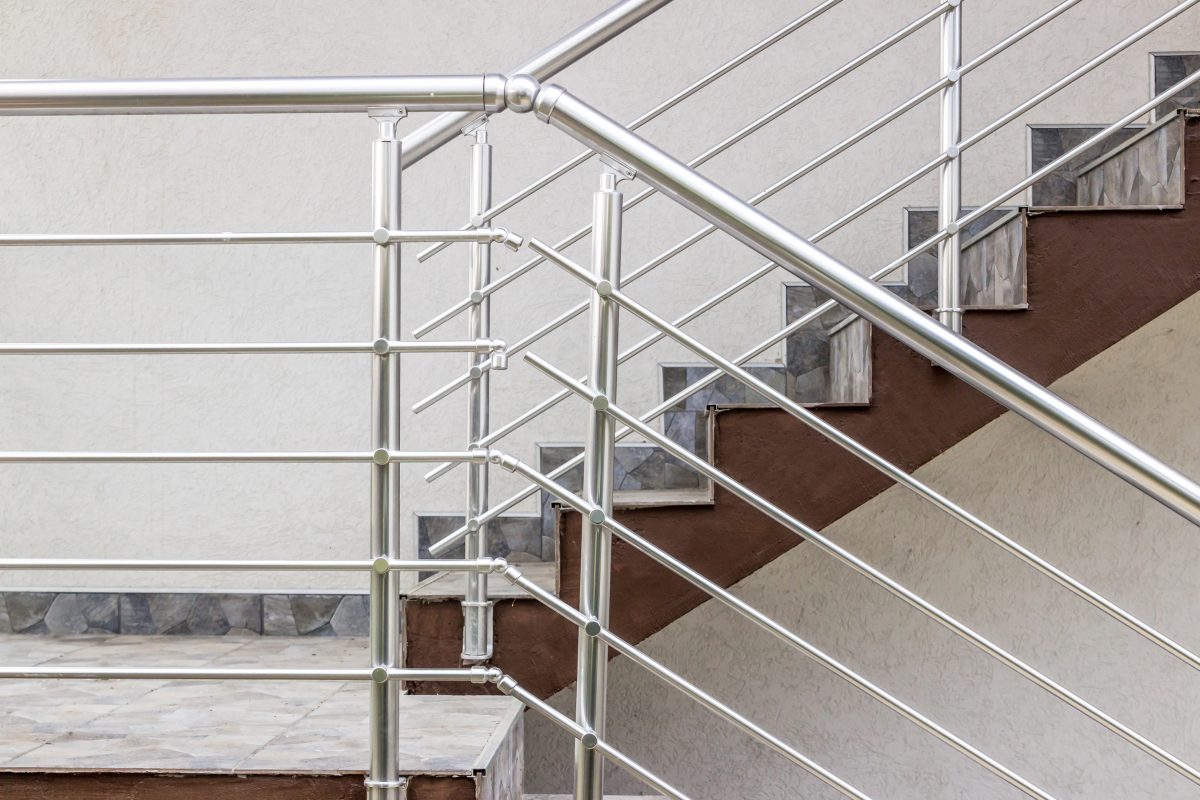
Fire-resistant aluminium composite panels: These panels have a different core structure compared to exterior and interior alu panels. The fire-resistant core is made of non-combustible plastic or lightweight alloys. This type of alu has a higher cost than conventional alu and is used for large-scale buildings and projects that require high safety standards.
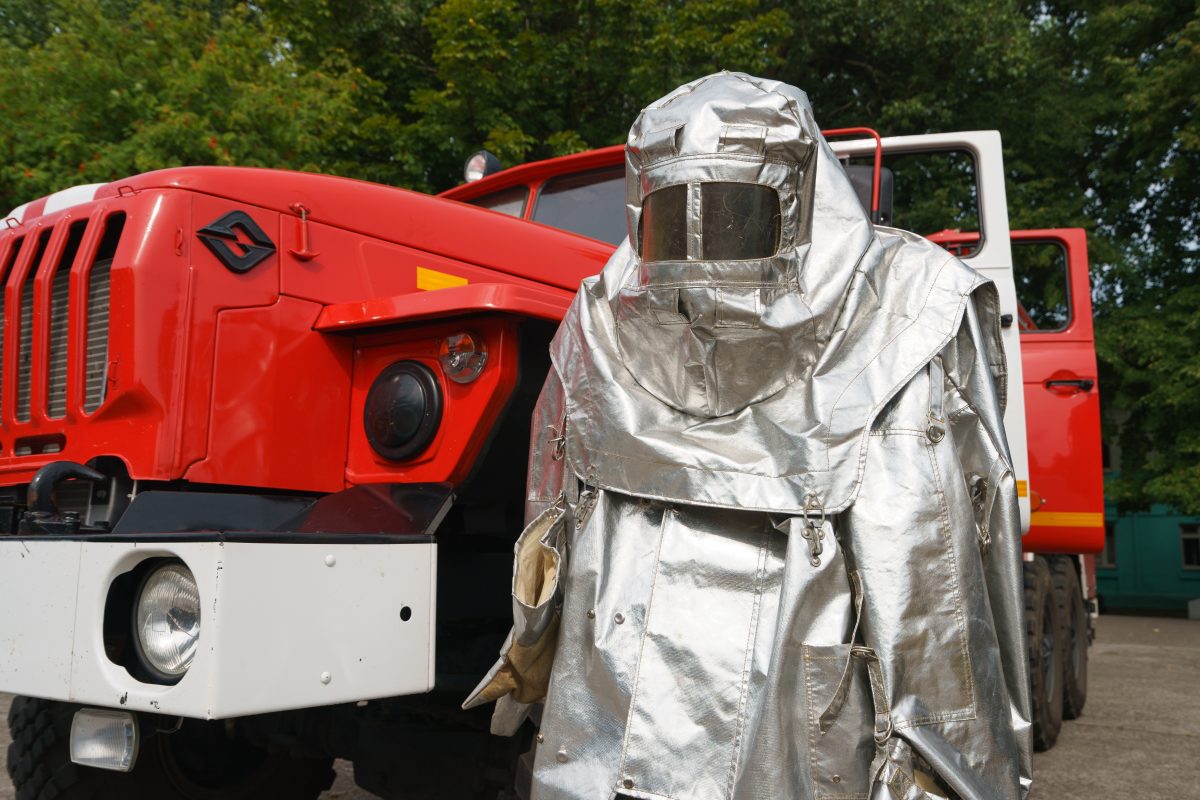
After understanding what lightweight alloys is, the next step is to examine its characteristic properties. It is precisely these superior physical and chemical properties that create the value of this alloy.
Aluminium is a metal with a bright silvery-white color, smooth surface, and high aesthetic appeal. With a density of approximately 2.7 g/cm³, they belongs to the group of ultra-light metals, significantly lighter than iron and copper, making it highly suitable for applications requiring weight reduction while still ensuring structural strength.
This material has a relatively low melting point (approximately 660.3°C), which facilitates processing, casting, and forming. Meanwhile, its high boiling point (approximately 2,519°C) ensures material stability under normal service conditions.
In its pure state, lightweight alloy is relatively soft and ductile, easy to roll into thin sheets, bend, and form. However, in practice, aluminium is commonly used in the form of aluminium alloys to increase hardness, mechanical strength, and load-bearing capacity.
In addition, this alloy is a good conductor of electricity and heat, ranking only after silver and copper. It has high reflectivity for light and heat, which is very useful in thermal insulation and lighting applications. Finally, lightweight alloy is aluminium magnetic, making it suitable for fields requiring special electrical–magnetic stability.
These characteristics make an ideal material for construction, mechanical engineering, electrical–electronic industries, and aerospace.
From a chemical perspective, lightweight alloys is a metal with strong reducing properties, readily donating electrons in chemical reactions. One of the most important characteristics of aluminium is its ability to spontaneously form a very thin but stable aluminium oxide film (Al₂O₃) immediately upon exposure to air.
This oxide film acts as a “natural shield,” preventing further oxidation and enabling aluminium to effectively resist corrosion in natural environments, even when exposed to moisture and air.
Despite its strong reducing nature, lightweight alloy exhibits typical amphoteric behavior in chemical reactions. Specifically, aluminium can react with both strong acids (except strong oxidizing acids such as concentrated, cold HNO₃) and strong bases:
Reaction with acid: 2Al + 6HCl → 2AlCl₃ + 3H₂↑
Reaction with base: 2Al + 2NaOH + 2H₂O → 2NaAlO₂ + 3H₂↑ (or 2Na[Al(OH)₄])
In addition, this alloy readily reacts with nonmetals such as oxygen to form Al₂O₃. Notably, both Al₂O₃ and Al(OH)₃ are amphoteric, meaning they can react with both acids and bases. This is an important chemical characteristic that contributes to aluminium’s versatility and high application value in industry and construction.
So how is this material applied in metal roofing systems and construction components? Thanks to its lightweight nature, durability, corrosion resistance, and ease of fabrication, aluminium has become a preferred material in many residential and commercial projects. When using this alloy for roofing, several technical characteristics and important applications should be noted.
Aluminium sheets and coils used for roofing or cladding panels are commonly classified by thickness, with inches (decimal format) being the standard unit of measurement. The general principle is that the higher the thickness value, the thicker and more durable the panel. Depending on the intended application, thickness is typically selected as follows:
In general, the alloy is suitable for roofing, walls, decorative trims, and many other applications across various environments, including coastal areas, hurricane-prone regions, locations with heavy rainfall or snowfall, high-temperature zones, and more.
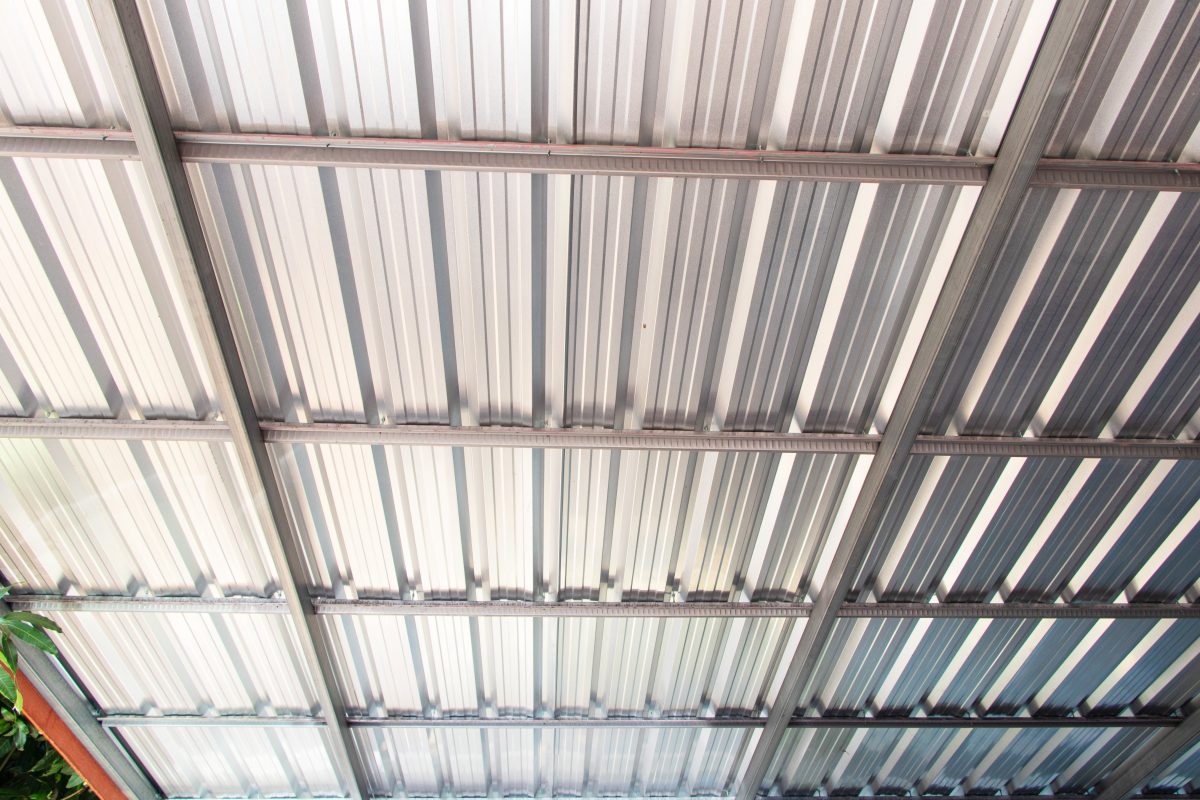
Transportation: Aluminium is a key material in this sector due to its lightweight yet durable properties, helping to reduce fuel consumption. Aluminium can be found in aircraft fuselages (Boeing, Airbus), ship hulls, automobile frames, and bicycles.
Construction: With excellent corrosion resistance and ease of forming, aluminium is widely used for door and window frames, partitions, curtain walls, canopies, and interior and exterior decorative materials.
Packaging: Its non-toxic nature, corrosion resistance, and recyclability make an ideal choice for beverage cans, food containers, and packaging foils.
Electrical & Electronics: Thanks to its good electrical and thermal conductivity, this material is applied in power cables, heat sinks for computers, and electronic devices.
Consumer & Household Goods: From cookware, picture frames, and furniture to phone and tablet casings, aluminium provides lightweight performance and long-lasting aesthetics.
Other Applications: this alloy is also used in medical instruments, fireworks, paint components, and many other specialized fields, demonstrating its superior versatility.
This alloy metal roofing is increasingly favored in modern construction thanks to its outstanding advantages in durability, corrosion resistance, lightweight characteristics, and sustainability. Below are the most notable benefits of this alloy roofing systems that investors and contractors should consider.
Aluminium possesses natural corrosion resistance that is fundamentally different from steel. When corrosion occurs, aluminium will rust? this alloy does not form red rust like steel but instead develops a hard Al₂O₃ layer on its surface. This oxide layer acts as a natural protective barrier, preventing further oxidation and protecting the underlying material.
Notably, aluminium’s oxidation process is rapid and stable, meaning corrosion does not spread at cut edges, a common issue with steel once red rust appears. Thanks to this “self-healing” mechanism, aluminium roofing maintains long-term durability even in highly corrosive environments.
One of Superior strength’s most outstanding advantages is its suitability for coastal installations. As mentioned above, this material offers significantly better corrosion resistance than steel products, especially in harsh coastal environments where saltwater can severely damage metal roofing systems. Because aluminium oxidizes when corrosion begins, this process actually strengthens the material and extends the service life of the system in coastal regions.
Aluminium is the most commonly used metal roofing material in Caribbean islands (both inland and coastal areas, as salt residue in the air can cause rusting of Galvalume and other steel products), along the Atlantic coast, the Gulf of Mexico, and the Pacific coastline. Most importantly, superior strength roofing systems are still eligible for PVDF paint warranties when installed in coastal areas.
For something as critical as a roof, purchasing a product with a warranty is always recommended. Fortunately, aluminium roofing offers various warranty options, including paint finish warranties, substrate warranties, and weather-tightness warranties, helping protect your investment and providing peace of mind that the roofing or wall system will last long term. (Note: Always check with your manufacturer regarding the specific types of warranties and coverage periods offered.)
There are even paint warranties available for aluminium sheets and coils used in coastal applications. In addition, commercial property owners can purchase weather-tightness warranties for their aluminium roofing structures, ensuring the roof is properly installed and complies with strict installation details.
Over the past 20–25 years, sustainable construction has become an inevitable trend, and metals—especially aluminium—have been increasingly prioritized. Aluminium is one of the most recyclable and reusable metals in the world.
In fact, approximately 95% of aluminium roofing systems currently being installed are manufactured from recycled aluminium. Thanks to this characteristic, aluminium is a top choice for projects pursuing LEED certification—a widely used green building rating system focused on energy efficiency, cost savings, and carbon emission reduction.
Overall, metal roofing is among the lightest roofing materials, helping reduce loads on a building’s structural frame. Aluminium is one of the lightest metal materials, especially when compared to steel products.
To illustrate: when comparing thickness and weight per square meter, Galvalume-coated steel roofing at 24 gauge typically has a thickness of about 0.023” or 0.024”. The equivalent aluminium thickness is 0.032” (comparable to 24-gauge Galvalume in terms of strength), meaning aluminium is thicker but weighs only about half as much. A typical 24-gauge Galvalume roof weighs between 1 and 1.5 pounds per square foot, while a 0.032” aluminium roof weighs less than 0.5 pounds per square foot.
The lightweight nature of aluminium makes it easier for contractors and installers to transport, handle, and lift roofing panels onto the roof. Additionally, if a portable roll-forming machine is used on-site, lighter aluminium coils are easier to transport and place less strain on the equipment.
Note: Because aluminium is thicker, aluminium coils will be slightly shorter in length.
Aluminium is the third most abundant element in the Earth’s crust and, as mentioned earlier, is often produced from recycled metal. This makes it a widely available sheet and coil metal product that many manufacturers include in their standard product lines. Furthermore, there is a large pool of skilled and qualified contractors who know how to properly install aluminium in accordance with manufacturer-recommended installation guidelines.
Modern aluminium sheet and coil products are available in a rich color palette that is equivalent to—and in many cases nearly identical to—Galvalume-coated steel products. As a result, when choosing an aluminium roofing system, investors do not need to compromise on aesthetics, while still ensuring harmony with the overall architectural design of the project.
This characteristic is both an advantage and a limitation of aluminium. Compared to steel, aluminium is softer and more easily bent, which facilitates roll forming, fabrication, and panel shaping, while reducing the risk of cracking during manufacturing. However, due to its high softness, aluminium is more susceptible to surface denting than other metals during transportation, installation, and even after being put into service. Therefore, contractors must handle and install aluminium roofing panels carefully to avoid deformation.
In addition, for buildings located beneath tree canopies or in areas with a higher risk of falling objects, aluminium may be less suitable in terms of aesthetics compared to some harder metal materials. Although this alloy’s tensile strength is comparable to steel, its resistance to surface denting remains lower.
Aluminium falls within the medium to high price segment and is therefore not the most cost-effective metal roofing option. Aluminium roofing typically costs approximately USD 7 to 18 per square foot, depending on thickness, finish, profile, location, installer, and various other factors. In addition, this alloy prices are strongly influenced by fluctuations in the global metals market. During the 2021–2022 period, This alloy and steel prices experienced significant volatility, meaning actual costs may vary over time.
Aluminium expands and contracts approximately twice as much as steel roofing. This is a critical consideration for contractors during installation, as sufficient allowance must be provided for thermal movement of the panels. This is particularly important when using mechanically seamed panels with lengths exceeding 15–20 feet. For panels of this length, expansion clips should be used in strict accordance with technical guidelines. Insufficient allowance for expansion and contraction in This alloy roofing can lead to surface distortion, increased noise, and more frequent maintenance of exposed fasteners.
The use of bare aluminium with its natural silver-gray color is generally not recommended for exposed roofing systems. Over time, under the effects of weathering and oxidation (white rust), this alloy surface does not retain its original appearance and may experience discoloration and blotching.
The most effective solution is to select pre-painted aluminium sheets or coils, which help maintain long-term aesthetic performance. The coating layer not only masks color changes in the metal but also enhances surface protection and extends the service life of the roofing system.
| Criteria | Aluminium (Aluminium) | Iron/Steel | Copper |
| Weight | Very light (approximately 2.7 g/cm³, about 1/3 the weight of steel) | Heavy (approximately 7.85 g/cm³) | Heavy (approximately 8.96 g/cm³) |
| Strength | Fairly strong; high strength when alloyed | Very strong, excellent load-bearing capacity (especially steel) | Fairly strong, ductile |
| Corrosion Resistance | Very good (due to natural protective oxide layer) | Poor (prone to rust, requires protective coatings) | Good (forms a protective patina layer) |
| Electrical Conductivity | Very good (second only to silver/copper, about 60% of copper) | Poor | Excellent (second-best conductor after silver) |
| Thermal Conductivity | Very good | Poor | Excellent |
| Cost | Medium to high (higher than conventional steel) | Low (especially carbon steel) | High |
| Recyclability | 100%, highly recyclable, saves up to 95% of energy | Recyclable, but with lower energy efficiency than aluminium | 100%, highly recyclable but with a more complex process |
| Other Characteristics | Non-toxic, non-magnetic, easy to form | Magnetic, easy to weld, high hardness | Soft, antibacterial, distinctive color |
This alloy is not only a common metal but also a strategic material solution in modern construction. With outstanding advantages in lightweight properties, high strength, natural corrosion resistance, diverse aesthetics, and near-total recyclability, lightweight alloy is particularly well suited for roofing systems, wall cladding, and building envelope structures across a wide range of environmental conditions—from urban areas and commercial projects to coastal regions with harsh climates. Although certain limitations remain, such as higher initial investment costs, susceptibility to surface denting, or the requirement for precise installation techniques to accommodate thermal expansion, when evaluated over a long service life, lightweight alloy continues to be a material choice that delivers superior economic, technical, and sustainability performance compared to many traditional materials.
To fully optimize these benefits, selecting the correct material type, appropriate thickness, surface coating, and a reputable supplier is a decisive factor in determining the quality and service life of the project. MRM Steel is proud to be a comprehensive supplier of metal material solutions, particularly high-quality lightweight sheets and coils that fully meet technical standards for roofing and cladding systems in both residential and commercial applications. With practical industry experience, a highly specialized consulting team, and a diverse product portfolio, MRM Steel not only supplies materials but also partners with customers in selecting suitable solutions, optimizing costs, and ensuring long-term performance.
If you are seeking a durable, aesthetic, environmentally friendly aluminium roofing solution with clear warranty coverage, contact us today via Hotline: (877) 289-6429 for detailed consultation and prompt support. MRM Steel is committed to delivering reliable products and material solutions that enhance the value and durability of your project over time.