
 EN
EN PT
PT


Head Offices:
Hotline: (877) 289-6429
Working Hours:
Monday to Saturday 6:00 AM – 7:00 PM, Sunday Closed
Website: https://mrmsteel.ai/
Global Steel Price Overview Today and Notable Market Fluctuations. The iron and steel industry plays a foundational role in the global economic value chain, serving as a critical input for infrastructure construction, automotive manufacturing, mechanical engineering, and many other key industrial sectors. Therefore, updating global steel prices today is not only a concern for investors but is also particularly important for steel manufacturing and trading enterprises as well as end consumers. Accurate pricing information enables market participants to proactively formulate strategies, control costs, and promptly grasp trends in the materials market.
The global steel market is constantly in motion, directly reflecting the pulse of the world economy as well as the impacts of geopolitical factors and macroeconomic policies. Analyzing global steel prices today not only reveals short-term upward or downward trends but also helps identify the economic drivers governing the market in the medium and long term. From Shanghai to London, international commodity exchanges continuously update pricing data, creating a comprehensive picture of steel price movements. Even minor fluctuations can spread across the entire supply chain, directly affecting production costs, product pricing, and the overall business performance of the steel industry.
To accurately assess global steel prices today, monitoring price indices from major commodity exchanges is indispensable. Among them, the Shanghai Futures Exchange (SHFE) and the London Metal Exchange (LME) are regarded as two highly reliable data sources that closely reflect international steel market developments. Key indicators include hot-rolled coil (HRC), rebar, iron ore, and coking coal prices. Regularly updating these indicators helps businesses and investors forecast price trends and develop appropriate purchasing and trading plans. In particular, iron ore prices—the primary raw material in steel production—often have a strong correlation and direct impact on finished steel prices.
Recently, global steel prices today have recorded notable fluctuations with alternating upward and downward movements. In the early part of the year, steel prices tended to increase slightly due to recovering demand from the construction and industrial manufacturing sectors in certain regions. However, pressure from global inflation and monetary tightening policies by central banks has partially restrained market growth. Asia, with China serving as the world’s largest steel producer and consumer, continues to play a leading role in shaping market trends. Any adjustments in China’s production policies, environmental controls, or export regulations can significantly impact international steel prices, forcing other markets to quickly adapt in order to maintain competitive advantages.
The current steel market offers a wide variety of product types, each designed and optimized for specific applications, ranging from heavy load-bearing structural components to finishing and interior–exterior decorative works. Understanding the technical characteristics and price movements of each steel product not only helps customers select materials suitable for project requirements but also contributes to budget control and investment optimization amid continuously fluctuating global steel prices today.
Structural steel is an important group of construction materials, widely used in building and industrial applications due to its high load-bearing capacity, stable durability, and long service life. Common structural steel sections such as H-beams, I-beams, V-sections, and L-angles feature distinctive cross-sections that flexibly meet the requirements of various structural applications, including beams, columns, building frames, bridges, and pre-engineered steel structures. Structural steel prices depend on multiple factors such as dimensions, weight, steel grade, technical standards, and manufacturing brand. In addition, fluctuations in global steel prices today directly affect domestic structural steel price levels, especially when large-scale infrastructure projects increase demand, placing pressure on market supply.

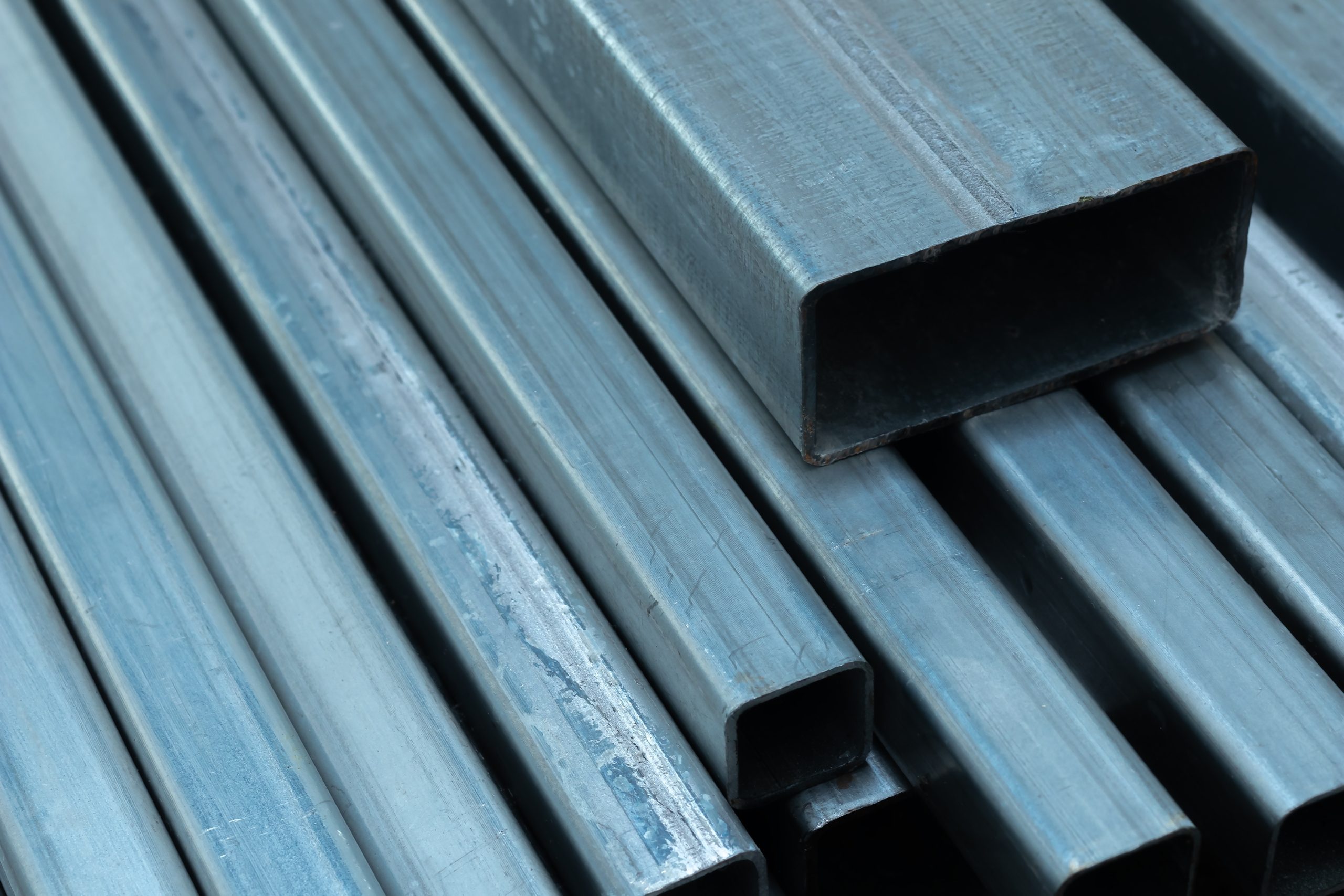
Steel hollow sections, including square and rectangular tubes, are favored for their lightweight structure while still ensuring sufficient stiffness and load-bearing capacity. These products are widely applied in roof frames, railings, fences, gates, staircases, and interior–exterior decorative components. Steel hollow sections are considered cost-effective, particularly galvanized hollow sections, which offer corrosion resistance, oxidation prevention, and suitability for harsh environmental conditions. Among them, 30×60 mm steel hollow sections are a commonly sought-after specification due to their versatility and suitability for small to medium-sized residential projects. Selecting hollow sections that meet quality standards helps enhance structural durability and reduce long-term maintenance costs.
Read more:
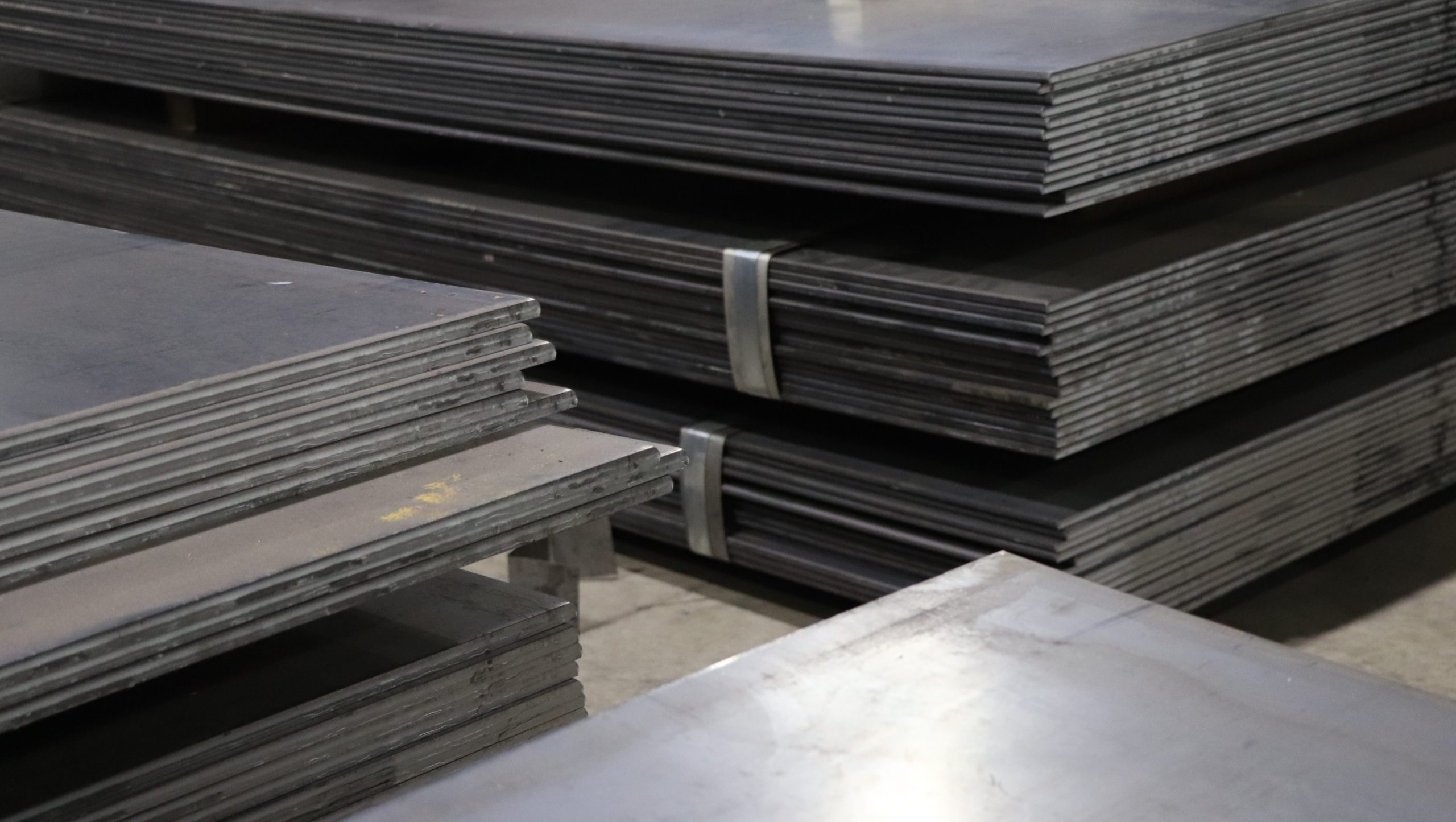
Steel plates are core products in the manufacturing industry, offering a wide range of thicknesses and dimensions to meet diverse technical requirements. They are commonly used in the production of storage tanks, ship hulls, mechanical structures, heavy industrial equipment, and modern architectural works. Steel plate prices are influenced by thickness, steel type (hot-rolled or cold-rolled), technical standards, and origin, whether imported or domestically produced. Growth in shipbuilding, energy, and automotive manufacturing continues to sustain strong demand for steel plates, thereby directly impacting global steel plate prices today as well as domestic price levels.
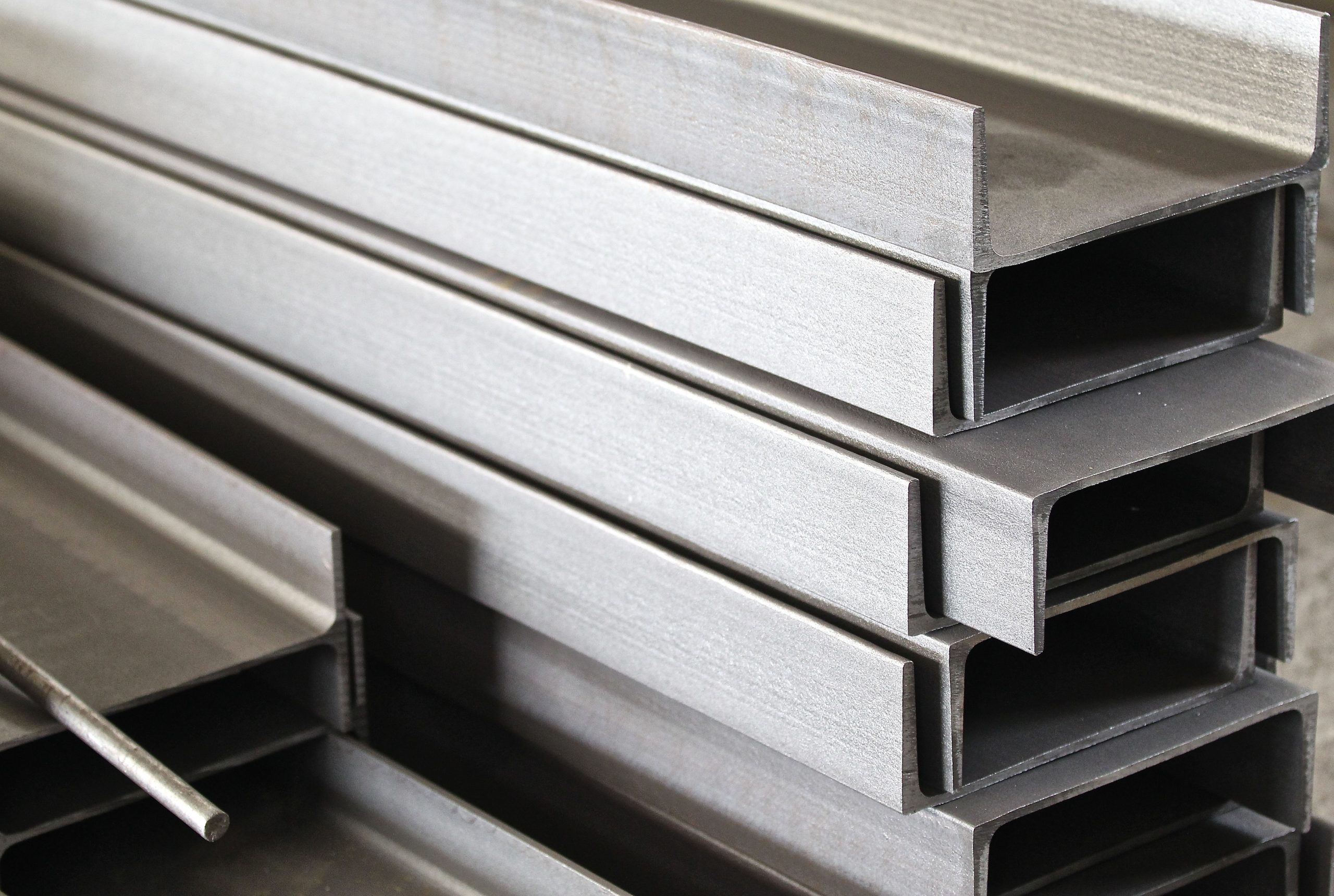
I-beams and U-channels are two important types of structural steel, specifically serving projects that require high load-bearing capacity and structural stability. I-beams, with their optimized cross-sectional design, effectively distribute loads and are commonly used for bridge girders, high-rise buildings, and large-scale industrial structures. Meanwhile, U-channels are suitable for lighter structures such as door frames, railings, support frames, and mechanical components. Prices of I-beams and U-channels fluctuate based on dimensions, weight, steel grade, and overall steel market trends. Choosing the correct steel type and specification not only ensures structural safety but also helps optimize material costs for construction projects.
Although not a finished steel product, scrap steel holds a key position in the supply chain of the metallurgical and steel recycling industries. It is an important secondary raw material that helps reduce natural resource extraction, save energy, and minimize environmental impacts. Scrap steel prices fluctuate flexibly according to steel mill procurement demand, production capacity, and steel price trends in both domestic and international markets. In the context of an increasingly promoted circular economy, scrap steel not only carries economic value but also has strategic significance, indirectly affecting finished steel prices as well as long-term production and investment orientations of enterprises.

Key Factors Affecting Global Steel Prices Today
To accurately grasp global steel price movements today and forecast upcoming trends, it is necessary to comprehensively consider both macroeconomic and microeconomic factors impacting the market. These factors do not exist independently but are always intertwined and interactive, creating complex and hard-to-predict price fluctuations.
Market Supply–Demand and Its Impact
The supply–demand relationship is always the fundamental force governing steel prices on a global scale. When steel demand from sectors such as construction, automotive manufacturing, machinery production, or infrastructure investment increases sharply while production capacity and supply have not yet expanded accordingly, steel prices will come under upward pressure. Conversely, in an economic downturn, when public investment is tightened or major projects are delayed, declining demand will pull steel prices downward. Factors such as global economic growth, stimulus policies, and the pace of urbanization in developing economies all directly affect the supply–demand balance of the steel market.
Raw Material Prices and Their Impact on Steel Prices
Iron ore and coking coal are the two core input materials in the steelmaking process. Any fluctuations in supply, extraction costs, or selling prices of these materials directly affect steel production costs. Mining and export policies of major supplier countries such as Australia and Brazil, along with risks related to transportation, weather, or geopolitical tensions in mining regions, can create strong volatility in raw material prices. These shocks often spread rapidly, exerting a profound impact on global steel prices today.
Trade Policies and Tariffs
Trade policies, including import duties, quotas, and trade defense measures, play a crucial role in regulating steel flows in the international market. When a country imposes anti-dumping duties or tightens imports, domestic steel prices tend to rise due to reduced competition. Conversely, easing trade barriers increases supply, thereby creating downward price pressure. Fluctuations in global trade policies, especially tensions among major economies, are always key factors influencing steel prices.
Logistics and Transportation Costs
Logistics and transportation, particularly international maritime shipping, account for a significant proportion of steel pricing, especially for imported steel. When fuel prices rise, sea and land transportation costs increase, pushing steel prices higher. In addition, issues such as port congestion, container shortages, supply chain disruptions, or geopolitical conflicts affecting shipping routes can all exert significant pressure on steel prices. A stable and efficient logistics system is a critical factor in helping the market maintain reasonable price levels.
Exchange Rates and Inflation
Exchange rate fluctuations and inflation have a clear impact on steel prices in specific markets. When a local currency depreciates against major currencies such as the USD, the cost of importing raw materials and finished steel products increases, forcing domestic steel prices to adjust upward accordingly. At the same time, high inflation raises production costs, from labor and energy to financial expenses, thereby creating upward pressure on steel prices. Therefore, closely monitoring exchange rate movements and inflation is indispensable when analyzing global steel prices today.
Guidelines for Effectively Tracking Global Steel Prices Today
Closely monitoring global steel prices today in a comprehensive, accurate, and timely manner is a key factor enabling businesses to make effective commercial decisions. For companies operating in construction, manufacturing, mechanical engineering, or steel trading, accessing the right information sources not only helps control costs but also enhances market competitiveness.
Reliable Information Sources
To update global steel prices today and capture steel price trends, businesses should prioritize highly reliable information sources. International commodity exchanges such as CME Group or the London Metal Exchange (LME) provide globally referenced steel price data, rapidly reflecting market movements. Regularly published reports and in-depth analyses on supply–demand and steel price levels in the domestic market are also important. In addition, specialized economic information channels in building materials and the steel industry, such as VietnamBiz, are useful references that help businesses gain a more multidimensional and practical perspective.
The Importance of Regular Updates
Continuously updating and analyzing global steel prices today helps businesses be more proactive in production planning, raw material inventory management, and appropriate pricing strategy development. In a rapidly fluctuating market, even a single decision based on delayed information can pose significant risks to costs and profitability. Regularly tracking steel prices allows businesses to promptly adjust strategies, take advantage of favorable pricing periods to purchase, and minimize risks when global steel prices show strong upward trends.
The global steel price market today not only reflects developments within the steel industry but also serves as an important indicator of the overall health of the global economy. Understanding influencing factors and price fluctuation trends enables businesses, investors, and consumers to make more accurate decisions, optimize profits, and control long-term risks. As the economy gradually recovers and the trend toward green steel development becomes increasingly clear, steel prices in the future are forecast to continue experiencing notable changes.
Global steel prices today are an important basis for businesses, contractors, and investors to accurately assess market trends, proactively plan raw material procurement, and control production costs in the steel industry. Amid continuous fluctuations driven by supply–demand, raw material input prices, trade policies, and logistics costs, timely and accurate information updates are the key to improving business efficiency. Accompanying customers with steel that meets quality standards, pricing aligned with the market, and tailored solution consulting for each usage need, MRM Steel is always ready to support and provide detailed information via the MRM Steel Hotline: (877) 289 – 6429.