 EN
EN PT
PT


Head Offices:
Hotline: (877) 289-6429
Working Hours:
Monday to Saturday 6:00 AM – 7:00 PM, Sunday Closed
Website: https://mrmsteel.ai/
Steel structures in high-rise buildings play a decisive role in shaping modern city skylines through strength, efficiency, and sustainability.
The use of steel structures in high-rise buildings enables developers, architects, and engineers to meet increasing demands for safety, speed, and long-term performance in dense urban environments.
As global urbanization accelerates and cities expand vertically, the construction industry faces growing pressure to deliver taller buildings within tighter timelines and stricter regulatory frameworks. In this context, material selection becomes a strategic decision rather than a purely technical one. Steel structures have emerged as the preferred solution for modern high-rise buildings, offering a balanced combination of structural performance, economic efficiency, and environmental responsibility.

Steel has long been recognized as a fundamental construction material, but its importance in high-rise buildings has increased significantly in recent decades. Compared to traditional reinforced concrete systems, steel structures offer a superior strength-to-weight ratio, allowing buildings to rise higher while reducing overall structural mass.
This characteristic enables architects to design slender, flexible, and visually distinctive towers without compromising structural integrity. For engineers, steel provides predictable mechanical behavior, precise load distribution, and enhanced performance under wind and seismic forces—critical factors in tall-building design.

One of the most significant advantages of steel structures in high-rise construction is cost efficiency across the project lifecycle. Steel components can be prefabricated off-site under controlled conditions, ensuring dimensional accuracy and consistent quality. This approach reduces on-site labor requirements, minimizes construction waste, and shortens overall project timelines.
Faster erection translates directly into lower financing and overhead costs for developers. In addition, the reduced structural weight of steel frameworks can lead to savings in foundation design, particularly in challenging soil conditions common in dense urban areas.
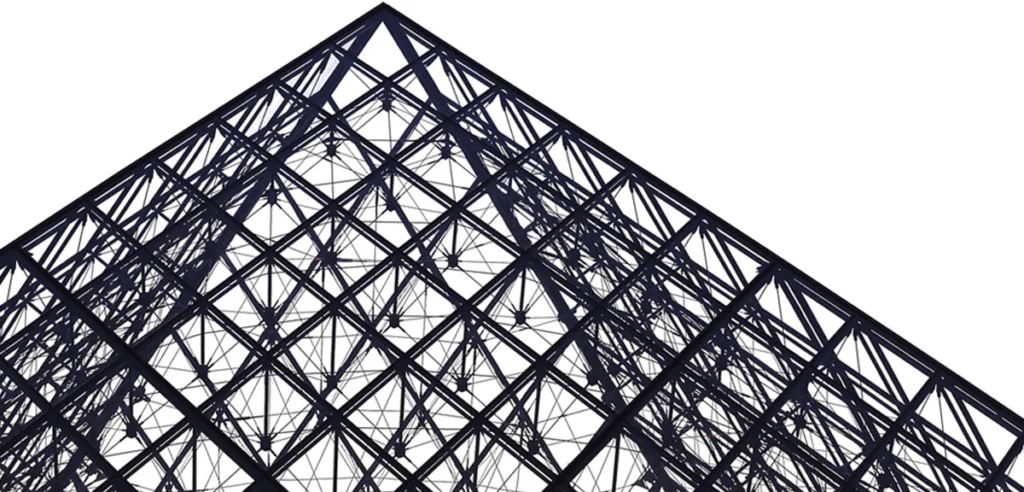
Steel structures are engineered to deliver exceptional durability and safety over extended service life. High-quality structural steel offers excellent resistance to heavy loads, fatigue, and extreme weather conditions. When combined with modern fire protection systems and corrosion-resistant coatings, steel-framed buildings can achieve service lives exceeding 50 years with minimal maintenance.
In seismic zones, steel’s ductility provides a critical advantage by allowing controlled deformation without sudden failure. This performance characteristic significantly enhances occupant safety and reduces structural damage during earthquakes.

Steel structures enable a high degree of design flexibility, which is essential for modern high-rise buildings that prioritize functionality, aesthetics, and adaptability. Long-span steel beams allow for open floor plans, reduced column spacing, and adaptable interior layouts that can evolve with changing tenant requirements.
This flexibility supports innovative architectural concepts, including mixed-use towers, complex geometries, and transparent façades. As cities seek iconic yet functional landmarks, steel continues to empower architects to push creative boundaries.
Sustainability has become a core consideration in contemporary high-rise development, and steel performs strongly in this regard. Structural steel is one of the most recyclable construction materials available, with recycling rates exceeding 90% globally. This significantly reduces environmental impact and supports circular economy principles.
Modern steel production technologies also focus on reducing CO₂ emissions and energy consumption. As a result, steel structures align well with green building certifications such as LEED and BREEAM, helping developers meet environmental targets while maintaining structural excellence.
As a trusted European steel supplier, MRM Steel supports high-rise construction projects by delivering construction-grade steel that meets stringent European standards. Through partnerships with leading producers such as ArcelorMittal, Voest Alpine, and Beltrame Group, MRM Steel ensures consistent quality, traceability, and technical reliability.
MRM Steel’s product range for high-rise buildings includes hot-rolled beams and sections, reinforcement bars and coils, structural plates, flat steel, welded mesh, and wire rod. Supported by advanced storage and logistics facilities in Bulgaria, the company provides reliable supply, responsive delivery, and technical consultation for complex, large-scale projects.
Steel structures in high-rise buildings have redefined modern urban construction by enabling taller, safer, and more sustainable developments. Their unmatched combination of strength, efficiency, design flexibility, and environmental performance makes steel the material of choice for future-focused cities.
By delivering European-standard structural steel and dependable supply solutions, MRM Steel plays an active role in supporting the next generation of high-rise buildings worldwide. Guided by the principle “Reliable Partner in Every Ton,” MRM Steel continues to contribute to resilient skylines and sustainable urban growth.