
 EN
 PT


Head Offices:
Hotline: (877) 289-6429
Working Hours:
Monday to Saturday 6:00 AM – 7:00 PM, Sunday Closed
Website: https://mrmsteel.ai/
What are ASTM standards? In the context of globalization and international economic integration, technical standards play a key role in ensuring product quality, safety, and market circulation. Especially in the fields of materials, mechanics, construction, and manufacturing industries, compliance with international standards is not only a mandatory requirement for export but also a measure of a company’s credibility. One of the most widely used and influential standard systems today is the ASTM standard. So, what is ASTM? What are ASTM standards, and what role do they play in practical production and business activities? Let’s explore the details below.
ASTM International (formerly known as the American Society for Testing and Materials) is an international standards organization specializing in the development and publication of voluntary consensus technical standards applicable to a wide range of materials, products, systems, and services. The organization originated from the American Society for Testing and Materials (ASTM), and the standards issued by ASTM have been widely recognized by the international community. Currently, ASTM manages and maintains 12,575 voluntary consensus standards applied worldwide. ASTM International is headquartered in West Conshohocken, Pennsylvania (USA), approximately 8 km northwest of Philadelphia. The President of the organization is James A. Thomas, who has held this position since 1992.
Founded in 1898, ASTM is one of the oldest standards organizations in the world and laid the foundation for the establishment of many other international standards bodies such as BSI (1901), IEC (1906), DIN (1917), ANSI (1918), AFNOR (1926), and ISO (1947). ASTM standards developed by the United States are now internationally recognized and widely applied across many fields, including steel pipes, metals, coatings, plastics, textiles, construction, energy, environment, equipment, services, and electrical–electronic industries.

ASTM standards are a system of technical standards researched, developed, and issued by ASTM International to standardize testing, evaluation, and quality control activities for materials and products. To help readers better understand, the term ASTM can be fully interpreted as follows:
ASTM is regarded as an international standard system for material and product testing, used to accurately determine key mechanical and physical properties such as tensile strength, hardness, and compressive resistance, while clearly defining testing procedures, standardized test methods, and acceptance criteria. As a result, ASTM standards play a crucial role in ensuring product quality, supporting inspection prior to export, meeting international partner requirements, and optimizing manufacturing processes.
In addition, ASTM standards are often considered a leading global library of standards and technical information, covering many technical and industrial fields such as aerospace, biomedical engineering, chemistry, civil construction, environment, geology, healthcare and safety, industry, materials science, mechanical engineering, nuclear energy, oil and gas, soil science, and solar energy.
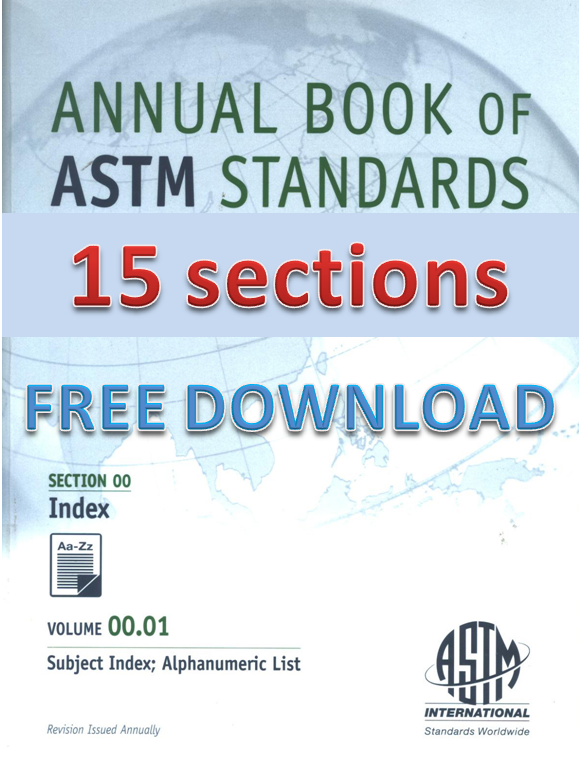
ASTM publishes the “Annual Book of ASTM Standards” each year, consisting of 80 sections divided into 15 fields:
ASTM standards are organized into six main categories:
One of the most important roles of ASTM standards is to establish uniformity in material testing, evaluation, and quality control processes. Before unified standards existed, each company, laboratory, or country often applied different test methods and evaluation criteria. This led to discrepancies in test results, creating difficulties in production, quality inspection, and technical data comparison.
The introduction of ASTM standards has effectively addressed this issue by issuing internationally recognized material testing and technical standards, thereby forming a common global regulatory framework. Thanks to this uniformity, businesses and engineers can trust that ASTM test results accurately reflect the mechanical and physical properties of materials, while enabling transparent and consistent data comparison among different organizations, laboratories, and countries.
In addition to ensuring uniformity, ASTM standards play a key role in optimizing inspection and quality assessment processes. Applying a common standard allows testing activities to be carried out based on clear, detailed, and highly repeatable criteria. As a result, testing errors are significantly reduced, while overall inspection efficiency and accuracy are improved.
ASTM testing standards provide specific and comprehensive guidance on test methods, equipment, testing conditions, and result analysis and evaluation. This helps companies and laboratories standardize workflows, saving time, cost, and resources in quality control operations.
In the context of global integration, ASTM standards are considered a “passport” that enables companies to bring products to international markets, obtain necessary quality certifications, and participate deeply in global supply chains. ASTM standards are not merely a set of technical specifications, but a foundation ensuring consistency, compatibility, and reliability in all testing and inspection activities.
Compliance with ASTM standards helps engineers, laboratories, and companies build trust with partners, customers, and certification bodies, thereby enhancing brand reputation and competitiveness in the international market.
In the ASTM standards system, each standard is assigned a unique designation to help users quickly identify the applicable material type, product group, or testing method. Although ASTM currently has tens of thousands of standards, they all follow a unified designation structure designed to ensure testing consistency and practical applicability.
The designation begins with a letter that classifies the field or material group:
Following the letter are three digits identifying the specific standard code within each material group or field. These numbers help classify individual standards within the extensive ASTM system. Finally, the year of issue or most recent revision is shown after a hyphen (for example: ASTM A36-19). In this case, “19” indicates that the standard was revised or reaffirmed in 2019. This information is particularly important, as different versions of the same standard may have significant changes in technical requirements, mechanical properties, or testing methods.
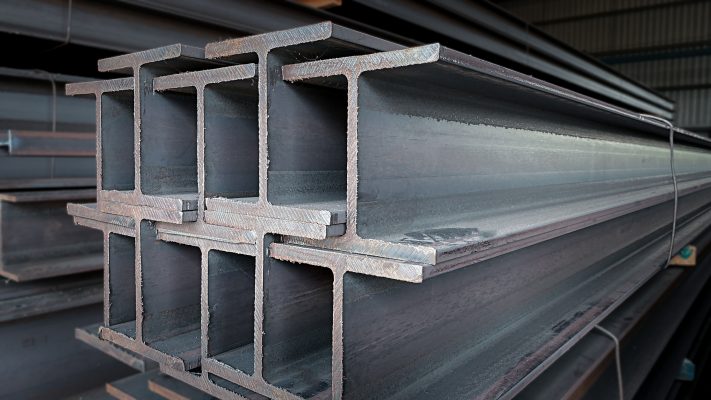
ASTM A36 is a low-carbon, low-alloy steel primarily produced by hot rolling. The steel has high tensile strength, good weldability, and excellent machinability and formability, making it widely used in construction and mechanical engineering applications. Typical applications of ASTM A36 steel include factories, pre-engineered steel buildings, warehouses, shipbuilding, and structural fabrication. In addition, ASTM A36 steel has strictly controlled mechanical and physical properties such as a density of approximately 7,800 kg/m³, a Poisson’s ratio of 0.32, and a tensile strength ranging from 58,000 to 80,000 psi, ensuring stability and cost efficiency for many projects.
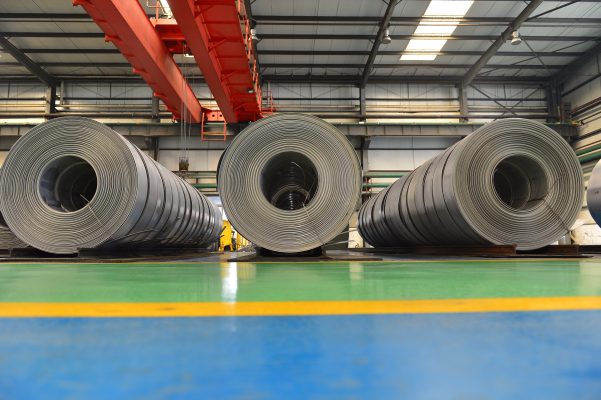
ASTM A1011 is a standard applicable to hot-rolled steel sheets and coils, commonly used in outdoor applications. This type of steel can withstand harsh weather conditions and unfavorable working environments, making it well suited for equipment, structures, and applications in agriculture and light industry.
ASTM A6 is a set of standards specifying general requirements for dimensional tolerances, rolling conditions, and quality for various types of rolled steel, including bars, plates, and piles. This standard does not represent a specific steel grade but serves as a technical foundation widely applied to structural steel materials, including structural shapes such as C and MC sections.
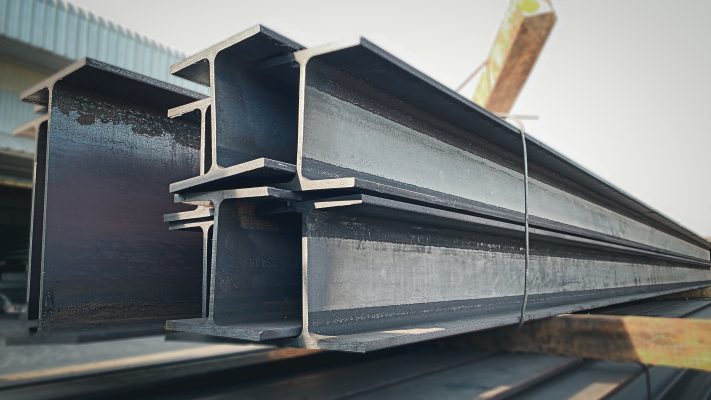
ASTM A572 is a group of high-strength, low-alloy steels consisting of five different grades designed for load-bearing structural applications. Steel conforming to this standard is commonly used for structural shapes, sheet piles, bars, and plates. With good weldability, high strength, and relatively good corrosion resistance, ASTM A572 is a suitable choice for construction and infrastructure projects requiring long-term durability and safety.
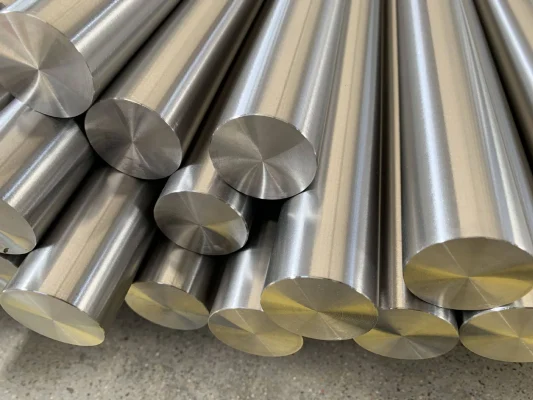
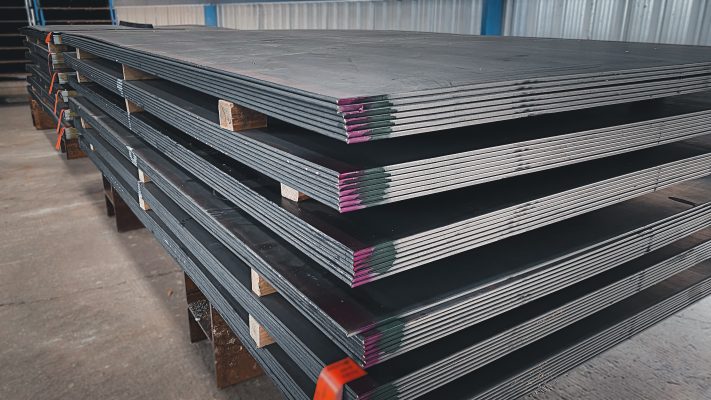
Applying ASTM standards brings many practical benefits to companies, engineers, and consumers in the materials and industrial sectors, not only in technical aspects but also in terms of reputation and economic efficiency.
Products manufactured and controlled in accordance with ASTM standards meet stringent requirements for durability, performance, and safety. As a result, consistent product quality is ensured, building strong customer trust and enhancing brand reputation and image in the market.
ASTM standards provide clear testing methods, inspection procedures, and evaluation criteria, helping to detect potential defects in materials or products at an early stage. This contributes to minimizing technical failures and reducing the risk of malfunctions and accidents during operation and use.
Because ASTM standards are widely recognized and applied globally, they help companies easily meet the technical requirements of international partners and markets. As a result, the trade and import–export of materials and products become more convenient, transparent, and less prone to technical disputes.
Applying a unified standard system such as ASTM helps harmonize testing methods and reduce unnecessary repetitive inspections. This allows companies to optimize quality management costs, shorten inspection time, and still ensure products meet high standards.
It can be seen that ASTM standards are not merely an international technical specification system for materials and products, but also serve as a core foundation helping companies ensure quality, safety, and competitiveness in the global market. Proper and comprehensive application of ASTM standards contributes to optimizing production processes, minimizing technical risks, and enhancing brand credibility in the eyes of partners and customers.
With a commitment to providing high-quality steel products that meet the stringent requirements of modern construction and industrial sectors, MRM Steel is dedicated to supplying steel products that comply with widely used ASTM standards, accompanied by in-depth technical consulting services. Not only delivering durable and stable material solutions, MRM Steel also partners with customers in selecting the right steel grade, the right standard, and the right application, thereby enhancing efficiency and safety for every project. Contact MRM Steel today for detailed consultation and to select suitable products for all projects via Hotline: (877) 289-6429.