
 EN
EN PT
PT


Head Offices:
Hotline: (877) 289-6429
Working Hours:
Monday to Saturday 6:00 AM – 7:00 PM, Sunday Closed
Website: https://mrmsteel.ai/
Water gutters are an indispensable component of roof drainage systems worldwide, playing a critical role in protecting structures from water leakage, water accumulation, and structural deterioration caused by heavy rain, snowmelt, or harsh weather conditions. Selecting the correct type of gutter and carrying out installation in accordance with international technical standards not only ensures stable drainage performance but also helps extend the service life of the building, protect the foundation, and enhance overall aesthetic value.
In this article, MRM Steel accompanies you to comprehensively explore water gutters, from definitions and roles to design principles, installation processes, and proper maintenance, aiming to provide optimal, durable, and suitable roof drainage solutions for various types of structures on a global scale.
A water gutter, also known as a roof drainage gutter, rainwater collection gutter, or roof water conveyance system, is a system specifically designed to collect and direct water from the roof and channel it into the main drainage piping system, in order to control water flow, minimize overflow, prevent wall seepage, foundation erosion, and structural damage.
In the global construction and steel sheet industry, gutters are commonly manufactured from materials such as galvanized steel, pre-painted steel, stainless steel, aluminum, copper, PVC, or HDPE. Among these, metal gutters such as steel sheet gutters and stainless steel gutters are widely preferred due to their high mechanical strength, corrosion resistance, long service life, and good adaptability to diverse climatic conditions.
Gutter systems are installed at locations such as roof edges, eaves, canopies, and water collection points, and are integrated with vertical downpipe systems to ensure continuous flow, reduce blockages, optimize drainage efficiency, and provide comprehensive protection for structures throughout their service life.
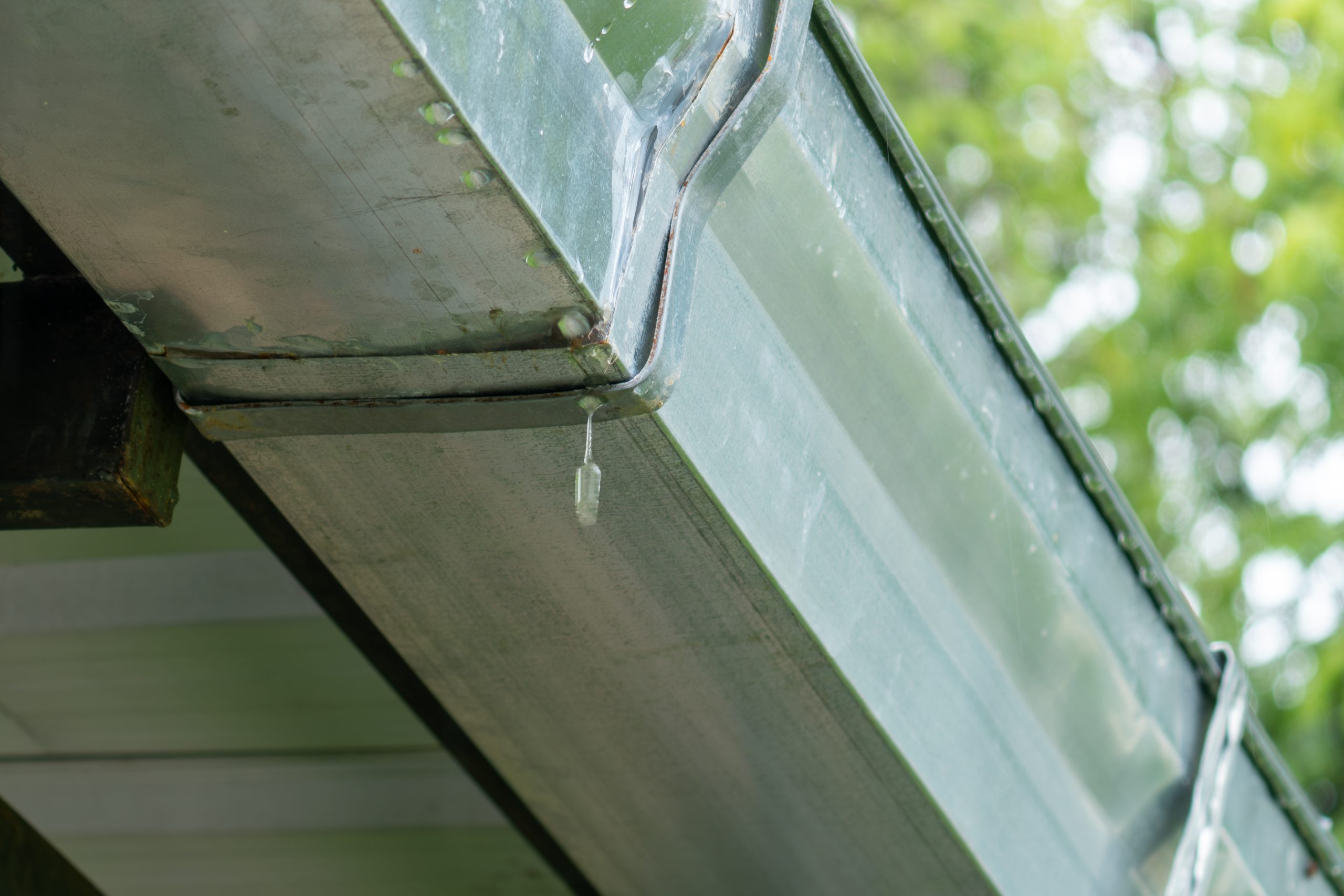
The installation of gutters plays an essential role in the overall drainage system by controlling water flow and ensuring efficient, stable, and safe collection and conveyance of water for the structure. A gutter system that is properly designed and installed in accordance with technical standards provides many practical benefits:
Even water distribution: Gutters collect and guide water in a uniform and controlled manner, reducing the concentration of rainwater at specific points and thereby minimizing the risk of leakage, erosion, and surface damage to the structure.
Reduction of water loss: With gutters, water is directed according to the designed flow path, limiting overflow beyond collection areas, optimizing drainage efficiency, and reducing waste.
Protection of piping systems: Gutters act as a protective layer that shields drainage pipes from weather exposure, dirt, and mechanical impacts, thereby extending service life and reducing maintenance costs for the entire system.
Enhanced aesthetics: Properly installed gutters create a neat, professional, and architecturally harmonious drainage system, contributing to improved aesthetic value of the structure.
Therefore, gutters are not merely technical components but also critical solutions for effective water distribution, flow control, drainage system protection, and completion of the overall appearance of a building’s drainage system.
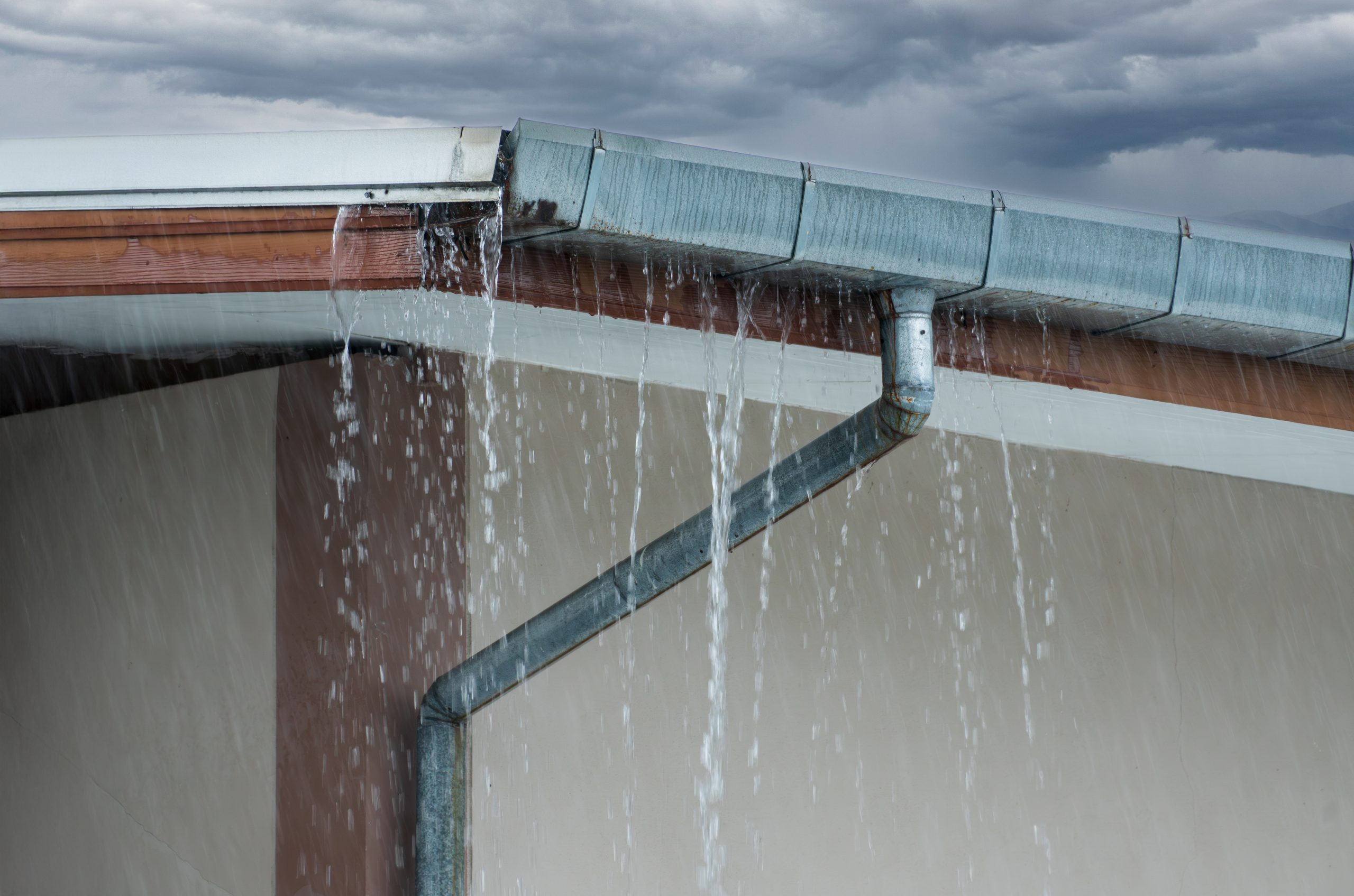
Proper construction and installation of gutters are particularly important, as installation quality directly affects drainage efficiency, durability, and the overall safety of the gutter system. If installation does not comply with technical standards, the system may encounter serious issues that reduce building lifespan and increase repair and maintenance costs during operation:
Water leakage: When gutters are improperly installed, rainwater may not be directed correctly or may leak at joints, allowing water to penetrate walls, ceilings, or foundations, causing structural damage and reducing construction quality.
Blockage: Failure to ensure standard slope or to perform regular cleaning can cause gutters to accumulate leaves, debris, and sand, leading to blockages, reduced drainage efficiency, and increased risk of overflow.
Pest infestation and damage to auxiliary structures: When gutter sections are not securely fixed or are incorrectly installed, the system may become loose, creating conditions for pests and other damaging agents to affect related components, thereby impacting walls, ceilings, and surrounding auxiliary structures.
Failure under severe weather conditions: Gutters that do not meet installation standards may lack sufficient load resistance against strong winds, heavy rain, or storms, resulting in detachment, deformation, or dislodgement, causing system damage and posing safety risks to the structure and surrounding areas.
Key Highlights in Gutter Design
When designing gutters, several key aspects need to be carefully considered as follows:
Ensuring drainage efficiency: Gutters must be designed to ensure sufficient capacity to drain water from water-using facilities and convey it into the building’s or area’s main drainage system. Proper drainage design helps minimize the risk of blockage and environmental pollution.
Ensuring aesthetics: Gutters should also be designed to match the architecture and style of the building or area. This helps ensure the aesthetic appearance of the structure and creates comfort for users.
Ensuring usability and safety: Gutter design must ensure convenience and safety for users, such as avoiding sharp edges, using non-toxic materials that do not affect user health, and preventing noise during operation.
Ensuring flexibility: Gutters should be designed for easy disassembly and maintenance when necessary. This facilitates quicker and easier replacement of damaged or clogged components.
Ensuring economic efficiency and sustainability: Gutter design must ensure economic efficiency and sustainability while minimizing future maintenance and replacement costs. Gutters should be designed using cost-effective and more sustainable materials and manufacturing methods to reduce environmental impact.
There are many important reasons why installing metal sheet gutters is an essential item for every house, not only to optimize drainage performance but also to protect structural integrity and enhance the overall value of the building:
Even water distribution: Gutters collect and direct water evenly, limiting the concentration of rainwater at specific locations and thereby reducing the risk of leakage, erosion, and damage to wall surfaces or foundations.
Reduction of water loss: The use of gutters helps control water flow and limit overflow outside collection areas, thereby improving water use efficiency and reducing waste during drainage.
Protection of piping systems: Metal sheet gutters help shield and protect drainage pipes from weather exposure, dust, and mechanical impact, contributing to an extended service life of the entire drainage system.
Enhanced aesthetic value of the building: A well-designed and properly installed gutter system makes the building appear neater, more professional, and architecturally complete, creating the impression that the house is well-invested and carefully maintained.
For these reasons, installing metal sheet gutters is not only a necessary technical solution but also an important factor in optimizing drainage efficiency, protecting the structure, and enhancing long-term aesthetic value for the house.
To properly install metal sheet gutters and ensure effective operation of the drainage system, it is first necessary to prepare all required materials and tools such as metal sheet gutters, screws, gutter hooks, rivets, cutting knives, hammers, and saws. Next, accurately mark the gutter installation positions on the roof and calculate and adjust the appropriate slope so that rainwater can naturally flow toward the outlet, avoiding water stagnation. Then, cut the gutters according to the roof length and fabricate the required folds so that the gutters fit closely to the roof shape, ensuring aesthetics and tight sealing. The gutter sections are then installed onto the roof using hooks or rivets for secure fixing, while strictly complying with standard spacing between gutter sections as well as between the gutters and the building wall. Finally, trim the gutter sections at the end positions, then use specialized weather-resistant and corrosion-resistant screws to connect the gutter sections together and firmly fix the entire system to the roof, ensuring durability, load-bearing capacity, and long-term drainage efficiency of the gutter system.
In addition to the basic installation steps, the installation of metal sheet gutters must comply with several important technical principles to ensure stable and long-lasting operation. The spacing between gutter sections should be maintained at approximately 10 to 15 mm to provide necessary flexibility when material expansion occurs due to temperature changes. The gutter slope should be designed at about 1–2% to ensure continuous rainwater discharge, limit water accumulation, and reduce the risk of corrosion or leakage. Gutter installation should also be carried out in dry weather conditions to ensure proper adhesion and sealing of joints, waterproof sealants, and fastening materials. In cases of limited experience or lack of specialized equipment, selecting professional installation units or qualified construction contractors will help ensure that the gutter system is installed in accordance with technical standards, safely, and with optimal drainage performance throughout its service life.
Proper jointing of metal sheet gutters is very important to ensure the structural integrity and efficiency of the drainage system. Below are some basic steps to properly join metal sheet gutters:
Preparation of necessary components: Before joining metal sheet gutters, prepare all required components including gutters, connecting pipes, nails, and screws.
Measuring and cutting the gutters: Measure and cut the metal sheet gutters to match the size and shape of the joint area. If necessary, metal cutting tools can be used to cut the gutters to the correct dimensions.
Installing the connecting pipes: After measuring and cutting the gutters, install the connecting pipes at both ends of the gutter sections. Ensure that the connecting pipes are positioned accurately and fit tightly with the gutters.
Joining the metal sheet gutters: Next, place the gutter section between the two connecting pipes and use nails or screws to secure it. Ensure that the gutter is positioned correctly and tightly connected to the pipes.
Inspection and repair: Finally, carefully inspect the drainage system to ensure there are no leaks or blockages. If any issues are detected, they must be repaired immediately to ensure the efficiency and safety of the drainage system.
In addition, to ensure standard gutter jointing, high-quality components and materials should be used, and all relevant safety and technical regulations and standards related to metal sheet gutter jointing must be followed. If you are not confident in joining metal sheet gutters, you should seek assistance from specialists or companies specializing in the design and installation of drainage systems to ensure the safety and effectiveness of the system.
Gutter Inspection and Maintenance Procedures
To ensure stable operation, effective drainage, and long-term durability of the gutter system, periodic inspection and maintenance procedures should be carried out according to the following items:
Inspection of gutter integrity: Conduct an overall inspection to detect signs of damage such as cracks, dents, coating peeling, or material corrosion. When issues are identified, timely repair or replacement is required to avoid affecting drainage performance and structural integrity.
Gutter cleaning: Perform periodic cleaning using specialized brushes or pressure washers to remove leaves, dust, sand, and accumulated debris inside the gutter, helping to reduce the risk of blockage and ensure smooth water flow.
Inspection of the drainage piping system: Inspect downpipes and connecting pipes to identify leakage, blockage, or deformation. Early rectification of these issues helps maintain drainage efficiency and prevent widespread damage.
Inspection of outlets: Assess the operating condition of outlets and discharge heads to ensure there is no blockage or water leakage. If damage is detected, replacement should be carried out to maintain stable drainage capacity.
Gutter replacement: When gutters are severely damaged, significantly deformed, or deteriorated beyond effective repair, replacement with new gutters is required to ensure safety and operational efficiency of the entire system.
Inspection of mesh covers: Check the condition of gutter mesh covers to ensure their ability to prevent debris and leaves from entering the gutter. If the mesh cover is damaged or ineffective, it should be replaced promptly to limit blockages and reduce cleaning frequency.
Standard metal sheet gutter dimensions depend on various factors such as roof area, rainfall flow rate, roof slope, installation location, and usage purpose. However, in general, standard metal sheet gutter dimensions include the following parameters:
Width: The width of metal sheet gutters typically ranges from 150 mm to 300 mm. For large roof areas or high rainfall flow rates, the width may reach up to 450 mm.
Height: The height of metal sheet gutters usually ranges from 70 mm to 100 mm. For large roof areas or high rainfall flow rates, the height may increase to 150 mm.
Thickness: The thickness of metal sheet gutters generally ranges from 0.4 mm to 0.6 mm. However, thickness may increase up to 1 mm for large roof areas or high rainfall flow rates.
Spacing between gutter sections: The spacing between gutter sections should be 10–15 mm to ensure system flexibility.
Gutters are an important component of drainage systems in construction works, playing a role in collecting and directing rainwater and wastewater to protect structural integrity and maintain long-term stability of buildings. Depending on scale, environment, and technical requirements, metal sheet gutters and stainless steel gutters are widely applied in many fields, including:
Residential buildings: Gutters are commonly used in residential works such as houses, apartments, office buildings, hotels, schools, and hospitals to collect and direct rainwater from roofs as well as water from water-use areas into the common drainage system, helping to limit leakage and protect building structures.
Industrial facilities: In the industrial sector, gutters are installed in factories, industrial parks, and production workshops to collect rainwater and wastewater generated during operation, contributing to flow control, supporting wastewater treatment, and protecting technical infrastructure.
Sports and recreational facilities: Gutters are applied in facilities such as swimming pools, sports centers, amusement areas, and stadiums to collect and drain water from activity areas, helping maintain hygiene, safety, and stable operating conditions.
Agricultural facilities: In agriculture, gutters are used in farms, livestock facilities, and cultivation areas to collect rainwater and wastewater from production activities, supporting flow control, limiting pollution, and protecting the surrounding environment.
Transportation infrastructure: Gutters are also installed in transportation infrastructure projects such as roads, railways, and waterways to drain rainwater and surface water, helping reduce flooding, erosion, and negative impacts on pavement structures and the environment.
Depending on the technical requirements, environmental conditions, and usage objectives of each project, investors can choose metal sheet gutters or stainless steel gutters to optimally meet criteria for durability, load-bearing capacity, aesthetics, corrosion resistance, and cost efficiency throughout the project lifecycle.
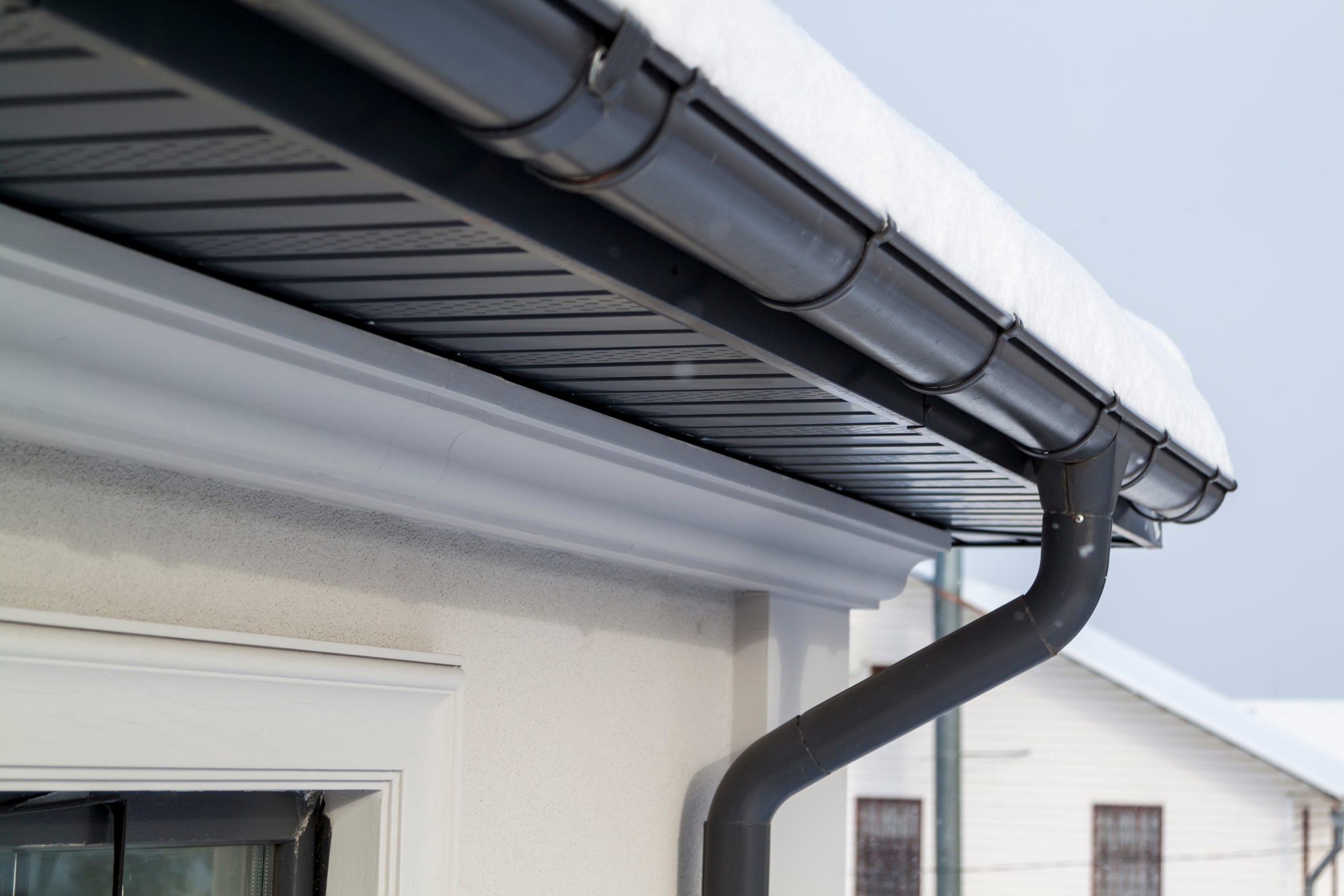
MRM STEEL is proud to be a supplier of high-quality steel sheet products and gutter solutions, meeting diverse needs in residential and industrial construction in the global market. With many years of experience, a strict quality control process, and a highly qualified professional team, MRM STEEL is committed to delivering products that meet technical standards, offer superior durability, and provide long-term performance for all types of projects. We always accompany our customers in optimizing drainage systems, protecting structures, and enhancing sustainable value for their projects. For detailed consultation and the most suitable solutions, please contact MRM STEEL via hotline (877) 289 – 6429; our team is always ready to provide fast and professional support.