
 EN
 PT


Head Offices:
Hotline: (877) 289-6429
Working Hours:
Monday to Saturday 6:00 AM – 7:00 PM, Sunday Closed
Website: https://mrmsteel.ai/
What is Seamlock roofing? In the trend of modern construction, projects increasingly require high durability, aesthetics, and long-term operational performance. The roofing system not only plays a protective role but also directly affects maintenance costs and the service life of the structure.
Seamlock roofing sheets were developed as an advanced roofing solution, applying double-lock standing seam technology without through-fastening screws, helping to enhance leak resistance, limit corrosion, and ensure maximum aesthetics. This is currently the preferred choice in industrial, commercial, and high-end residential projects.
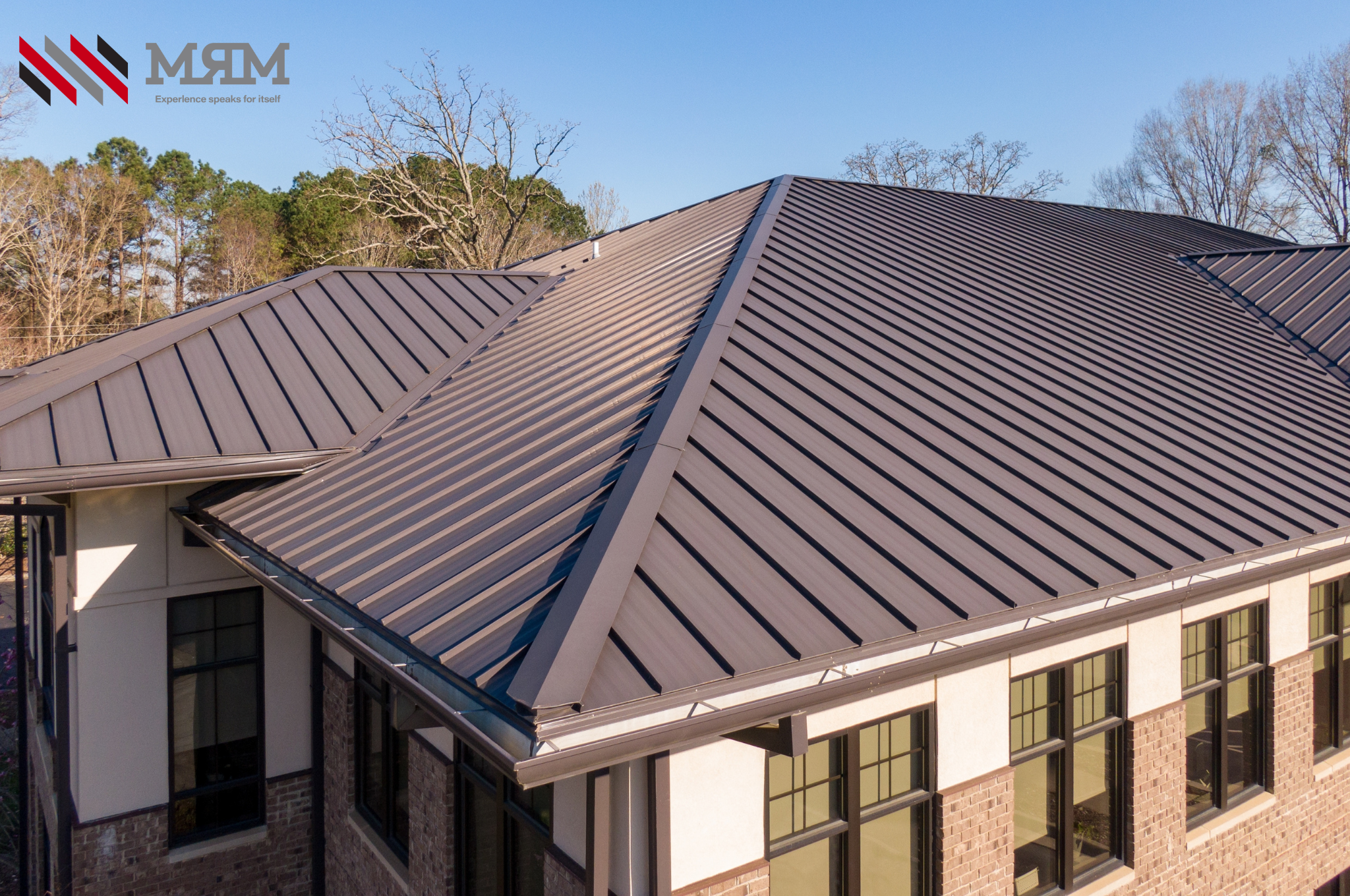
Seamlock roofing is a high-technology metal roofing system that applies a double-lock standing seam mechanism instead of the traditional through-screw fixing method. Instead of creating holes on the roofing surface, the Seamlock system uses concealed clips connected to the purlins, then utilizes a specialized seaming machine to fold the seams along both panel edges, forming an absolutely tight standing seam lock.
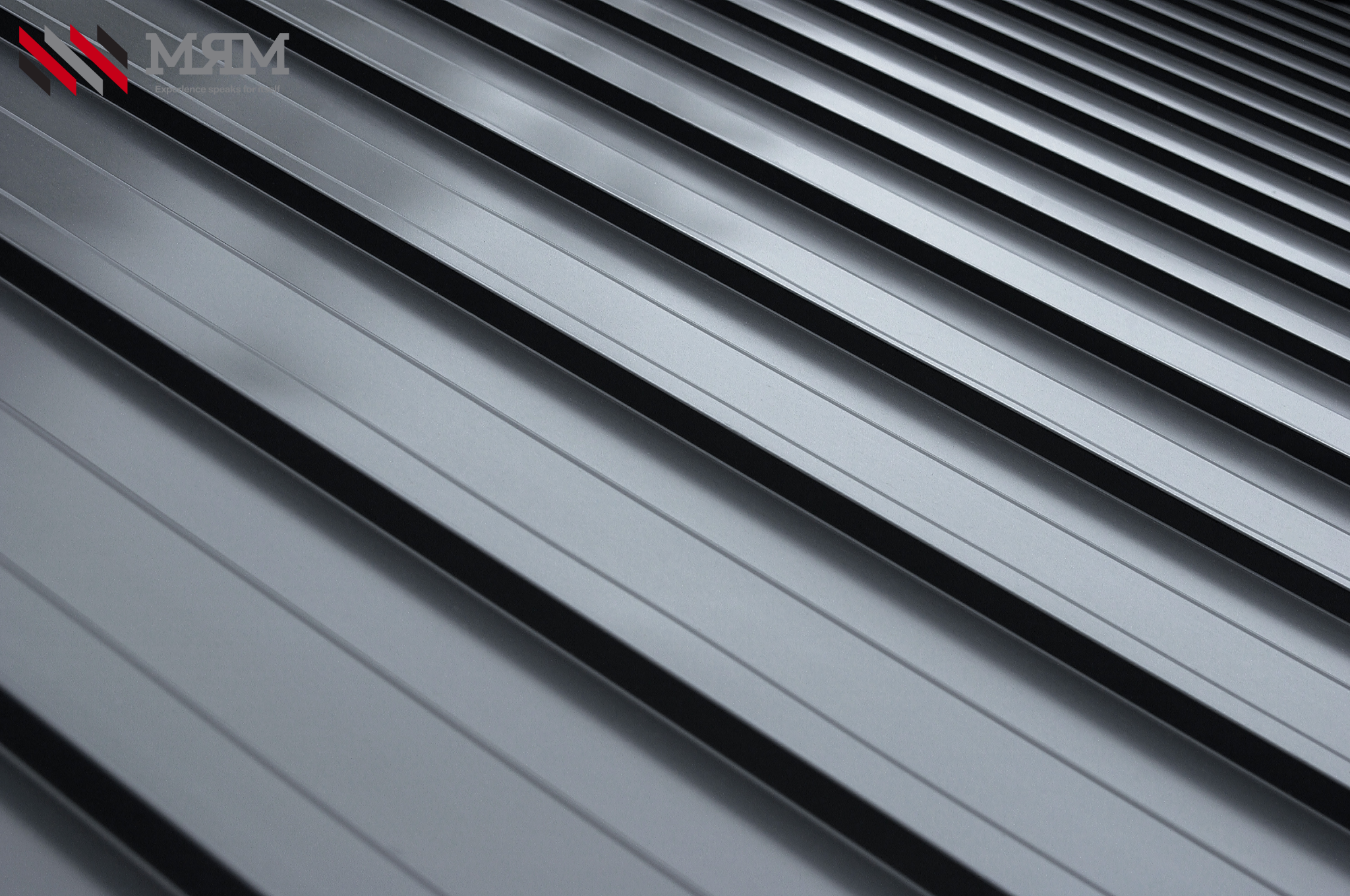
This structure allows the roof to remain unperforated, with no exposed screws, thereby minimizing the risk of leakage and corrosion at connection points and increasing material service life. At the same time, the flat and continuous roof surface creates high aesthetics, suitable for modern architectural projects.
The Seamlock roofing system is particularly prioritized in industrial, commercial, and large-span projects—where stringent requirements are imposed on watertightness, wind load resistance, thermal expansion, and long-term operational efficiency. It is considered a high-technical metal roofing solution that optimizes maintenance costs and ensures durability over time.
A complete Seamlock roofing system is a synchronized combination of multiple specialized components in the steel roofing industry, designed to create a watertight, load-bearing, and long-term stable roof structure. Below are the five core components constituting the Seamlock system:
Roofing panels: The panels are roll-formed from aluminum-zinc alloy coated steel (AZ), aluminum, or stainless steel, offering high mechanical strength and superior corrosion resistance. Base metal thickness, standing seam height, and effective coverage width are selected according to wind load requirements, roof span, and specific characteristics of each project. Both panel edges are designed as standing seams to perform double-lock seaming by a seaming machine.
Fixing clips: Clips are intermediate components that connect the roofing panels to the purlin system without through-fastening screws. Fixed clips are used for roofs with short lengths or small spans. Sliding clips allow longitudinal thermal expansion of the panels, reducing thermal stress on long roofs and limiting warping and seam cracking over time. This is a critical component that determines the stability and service life of the roofing system.
Roof purlins: These are the main load-bearing structures, commonly using galvanized steel purlins, Z/C purlins, or structural hollow sections. Purlin spacing is calculated according to load standards (wind, rain, service loads) and the mechanical properties of each Seamlock profile.
Seaming machine or edge-forming tools: Specialized equipment used to fold the two standing seams into a double-lock connection. The seaming process ensures absolutely tight seams, no open edges, and no seam deformation—key factors that create the superior leak-proof performance of Seamlock roofs.
Finishing accessories: Including ridge caps, eave trims, wall flashings, gutters, gable trims, panel stoppers, etc. All accessories are fabricated in coordination with the Seamlock profile system to ensure watertight integration and aesthetic consistency for the entire project.
Common Seamlock types currently available
In today’s steel roofing market, Seamlock 470, 480, 485, and 1040 profiles are the most widely used. Differences among these profiles mainly lie in effective coverage width and standing seam height—two technical parameters that directly determine drainage capacity, structural stiffness, wind load resistance, and overall roof aesthetics.
Seamlock 470: Seamlock 470 has an effective coverage width of approximately 470 mm, an average standing seam height of about 66 mm, and a base metal thickness ranging from 0.35 mm to 1.0 mm. Thanks to its high seam and robust double-lock structure, this profile provides good drainage performance, effective wind resistance, and high watertightness. Seamlock 470 is commonly applied to industrial buildings, factories, shopping centers, or roofs with medium to large heights, where strict anti-leakage technical requirements are imposed.
Seamlock 480: Seamlock 480 features an effective coverage width of approximately 480 mm, standing seam height from 65–70 mm depending on manufacturing standards, and common thickness from 0.35 mm to 0.75 mm. The high seam design enhances stiffness and rapid drainage capability, making it especially suitable for areas with high rainfall. This profile is often used for light industrial projects, curved roofs, or projects requiring flexibility in forming.
Seamlock 485: Seamlock 485 has an effective coverage width of 485 mm, standing seam height of approximately 60 mm, and base metal thickness from 0.35 mm to 0.70 mm. Compared to the 480 profile, this type has a lower seam height, allowing easier installation on roofs with simpler structures. This is a standard Seamlock profile, flexibly applied to both high-end residential buildings and medium-scale industrial projects, ensuring a balance between technical performance and investment cost.
Seamlock 1040: Seamlock 1040 is a large-width system with an overall panel width of approximately 1,200 mm, an effective coverage width of about 1,040 mm, a standing seam height of around 70 mm, and a base metal thickness from 1.35 mm to 2.53 mm. Thanks to its wide coverage, the roofing system significantly reduces the number of joints, increases installation speed, and optimizes labor on large roof areas. This profile is suitable for domed roofs, terminals, stadiums, and large-span structures requiring durable structural performance and high aesthetics.
In addition to the common profiles above, the market also offers narrow-width Seamlock such as 400 mm or 430 mm, specifically used for curved roofs, domes, or projects with complex geometries. In addition, Seamlock 600 mm is fabricated to reduce the number of seam lines, suitable for projects that need to accelerate construction progress while still ensuring technical standards.
Seamlock roofing sheets are considered a premium metal roofing solution that simultaneously meets requirements for technical performance, structural durability, and architectural aesthetics. Thanks to the double-lock standing seam mechanism without through-fastening screws, this roofing system delivers superior watertightness and stable long-term performance.
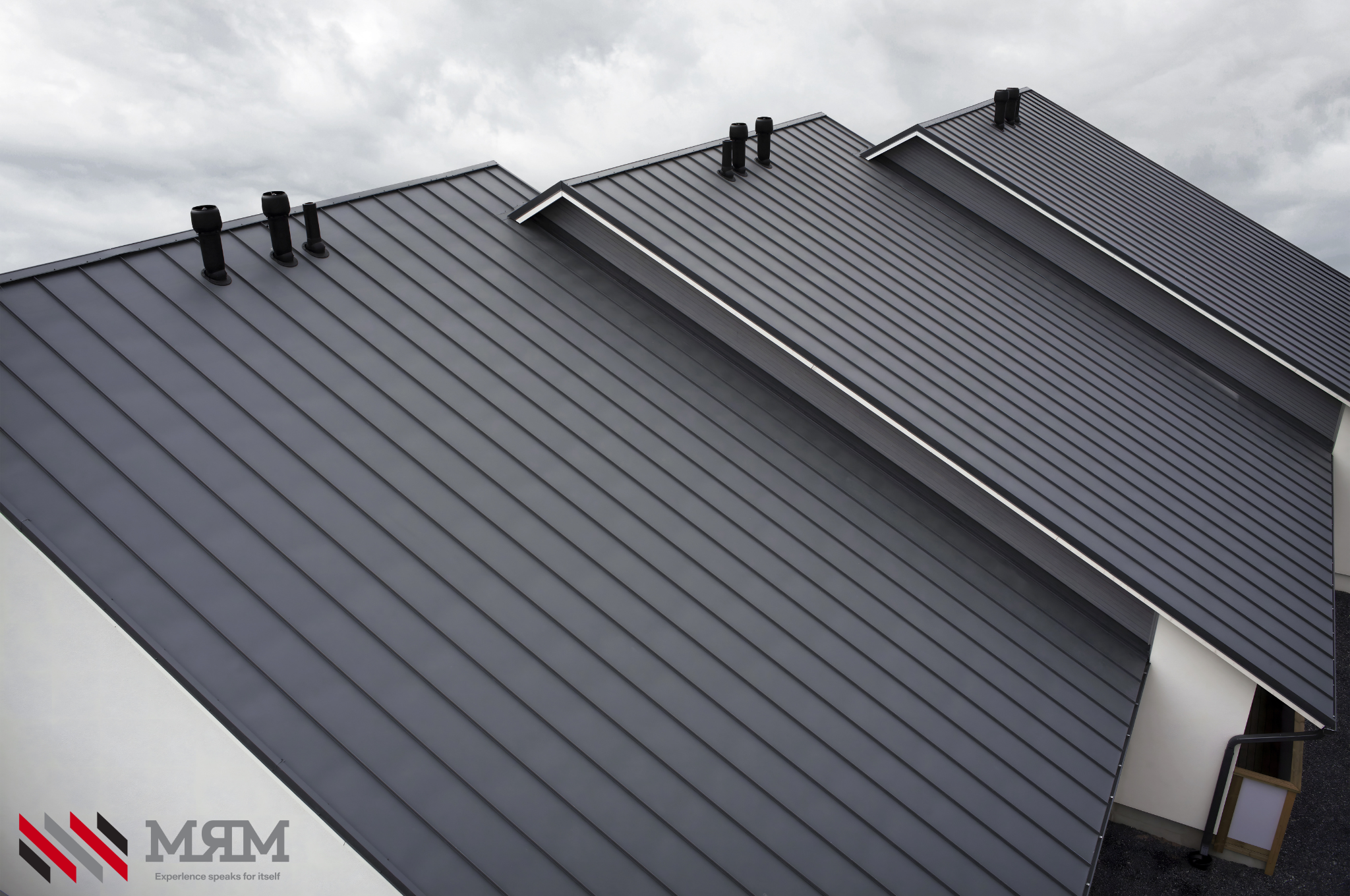
In the industrial sector, Seamlock is widely applied for factory roofs, warehouses, logistics centers, manufacturing plants, and rooftop solar power systems. These projects typically have large roof areas, low slopes, and require absolute leak prevention throughout their service life. With long panel lengths running along the roof and tightly sealed standing seams, Seamlock helps shorten installation time, minimize water leakage risks, and significantly reduce maintenance costs.
In the commercial and high-end residential sector, Seamlock roofing systems are commonly used for shopping malls, showrooms, villas, seaside resorts, and modern architectural buildings. The flat, continuous roof surface with no exposed screws creates a refined and uniform overall appearance. When combined with premium materials such as color-coated steel sheets or aluminum-zinc alloy coated steel sheets Zinmag®, the structure not only ensures high corrosion resistance but also enhances aesthetic value.
For specialized architectural projects such as terminals, stadiums, museums, or large-span domed roofs, Seamlock is an optimal choice thanks to its flexible curving capability to match design geometries. Whether curved roofs, wave-shaped roofs, or complex undulating forms, the double-lock system still ensures watertightness and structural stability, meeting the stringent technical requirements of large-scale projects.
Seamlock roofing is a high-technical roofing system that requires precise installation procedures and the use of specialized machinery. Therefore, simple installation methods like those used for traditional screw-fixed roofing cannot be applied. Minor errors during installation can directly affect watertightness and the service life of the structure.
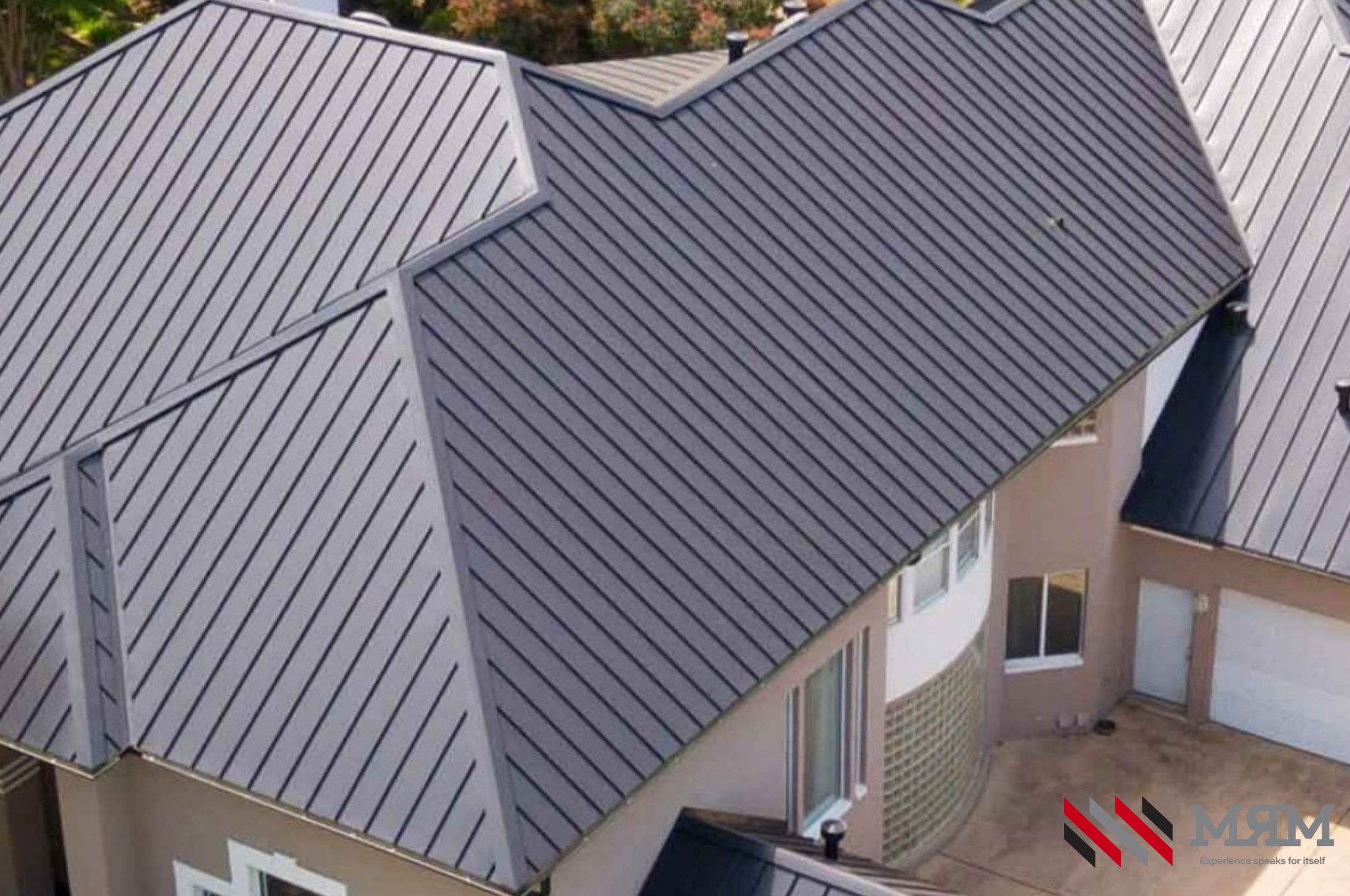
First, the installation process must strictly follow the correct sequence: laying panels along the roof slope direction – fixing clips to the purlins – seaming with a specialized seaming machine. Seaming pressure and rolling speed must be tightly controlled to avoid deformation of the standing seams or cracking of the lock edges. After completion, the seam lines must be straight, uniform, tightly sealed, and free from open edges.
The clip system must be selected in accordance with the roof length. For large-span roofs, sliding clips should be used to allow longitudinal thermal expansion of the panels in response to ambient temperature changes. If the entire roofing system is rigidly fixed, accumulated thermal stress over time may cause warping, seam tearing, or connection failure.
In addition, roof slope must be calculated in accordance with technical standards, typically ≥ 3%, to ensure rapid drainage and prevent water ponding at accessory joints or wall bases. Roofs with excessively low slopes increase the risk of leakage and reduce the service life of the protective coating.
Some common issues encountered in practice include seam edge cracking due to overly brittle material or improper seaming technique, incorrect clip spacing, and inadequate treatment of gable ends, eaves, and gutter areas. These defects may not appear immediately but can lead to water leakage and deterioration after a short period of use.
Therefore, to fully maximize the advantages of the Seamlock roofing system, it is necessary to select base metal that meets mechanical property standards, choose the correct seam profile suitable for the design, and cooperate with experienced contractors equipped with standard-compliant technical equipment.
| Seamlock Type | Thickness | Price (USD) |
| Seamlock sheet 0.45 mm (H66, AZ50) | 0.45 mm | 4.00 |
| Seamlock sheet 0.50 mm (H66, AZ50) | 0.50 mm | 4.41 |
| Seamlock sheet 0.55 mm (H66, AZ50) | 0.55 mm | 4.82 |
| Seamlock sheet 0.45 mm (H66, AZ150) | 0.45 mm | 4.37 |
| Seamlock sheet 0.50 mm (H66, AZ150) | 0.50 mm | 4.82 |
| Seamlock sheet 0.55 mm (H66, AZ150) | 0.55 mm | 5.18 |
| Seamlock 0.45 mm, AZ150, blue-violet color | 0.45 mm | 4.86 |
| Seamlock 0.50 mm, AZ150, white color | 0.50 mm | 5.63 |
The Seamlock accessory system is an inseparable part of the roofing structure, playing a key role in ensuring firm connections, absolute watertightness, and long-term stability. Using accessories that meet technical standards allows the roofing system to fully maximize durability, wind-load resistance, and aesthetic performance. Below are the key accessories in a Seamlock roofing system:
Seamlock fixing clips: These are intermediate components that connect the roofing panels to the purlin system without through-fastening screws. Clips are typically fabricated from high-strength galvanized steel or aluminum-zinc alloy coated steel, offering good corrosion resistance and load-bearing capacity. Depending on roof design, fixed clips or sliding clips are used to ensure proper thermal expansion of the panels.
Seamlock clamp brackets: Clamp brackets are usually manufactured from galvanized steel with a thickness of approximately 2 mm and supplied with high-strength bolts to firmly secure the roofing panels at locations subject to high loads. This accessory completely replaces traditional screw fixing methods, keeping the roof surface unperforated, improving connection durability, and enhancing overall aesthetics.
Seamlock panel stoppers (upper and lower stoppers): Panel stoppers are designed to prevent roof uplift under strong wind conditions, especially in coastal areas or regions with high wind pressure. In addition, they reinforce roof edges, limit panel displacement, and reduce the risk of water leakage at junction points.
Note:
Accessories should be used as a complete system corresponding to each Seamlock profile from the same manufacturer. Mixing clips, clamp brackets, or accessories from different systems may cause dimensional mismatches, reduce watertightness, and directly affect the service life of the roofing system.
Seamlock roofing sheets are not only an optimal leak-proof roofing solution but also a long-term investment choice for projects with high technical and aesthetic requirements. Selecting the correct panel type, the appropriate accessory system, and the right supplier directly determines the quality and durability of the roofing system.
MRM Steel is proud to be a supplier of high-quality steel roofing materials and Seamlock roofing systems, fully meeting technical standards for industrial and residential projects nationwide. With practical experience, a professional consulting team, and a stable supply source, MRM Steel is committed to delivering cost-optimized and long-lasting solutions.
For technical consultation or detailed quotations, please contact Hotline (877) 289–6429 for prompt and accurate support from the MRM Steel team for each project item.