
 EN
EN PT
PT


Head Offices:
Hotline: (877) 289-6429
Working Hours:
Monday to Saturday 6:00 AM – 7:00 PM, Sunday Closed
Website: https://mrmsteel.ai/
Explore in detail Tinplate: analysis of chemical composition, 5-layer coating structure, electrolytic production process, and the reasons why this material is the leading choice for safe food packaging.
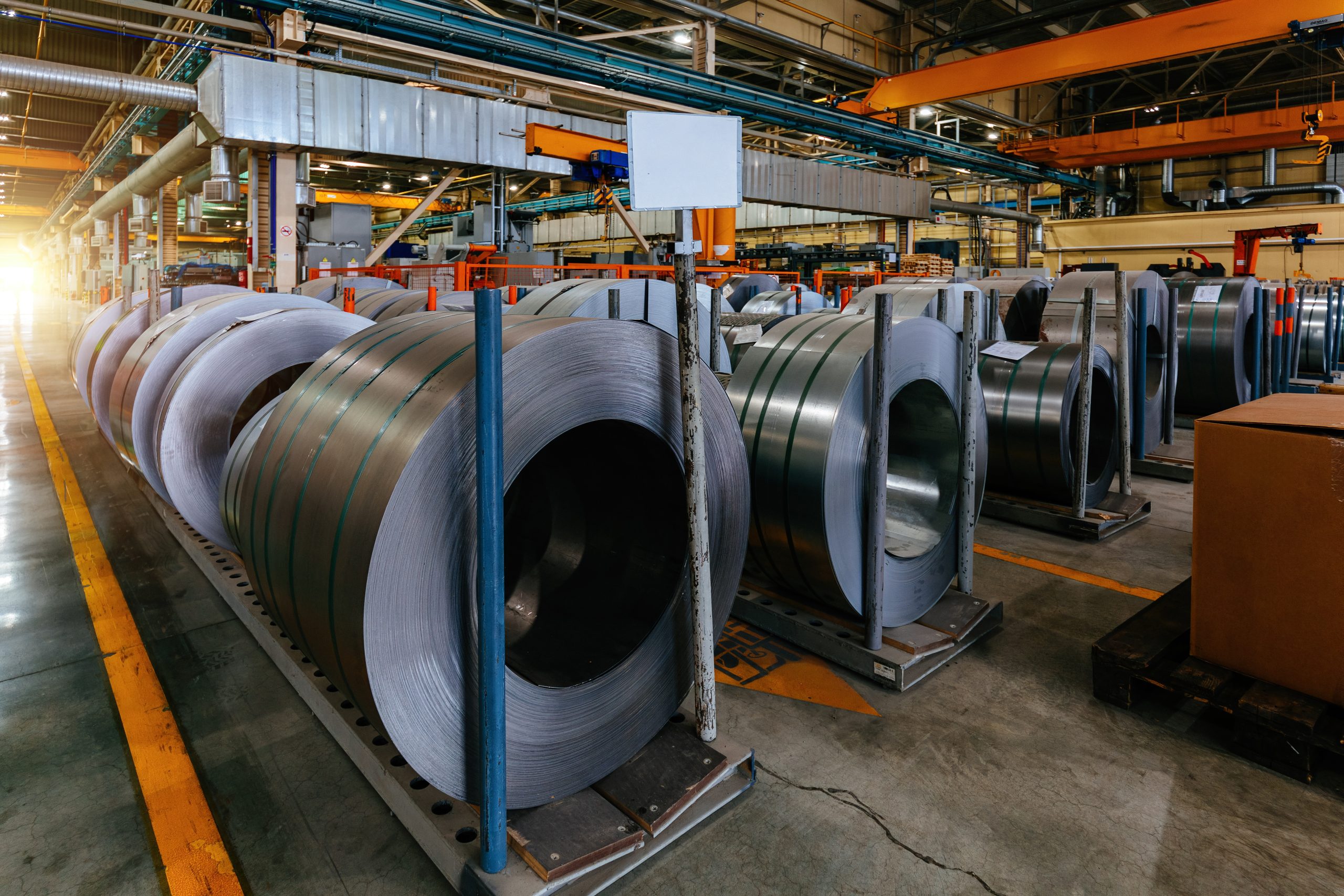
Tinplate is a high-quality cold-rolled steel product coated with a layer of pure tin (Sn) on both surfaces by the electrolytic plating method. The tin layer acts as a protective barrier, helping to prevent oxidation and corrosion of the steel substrate, especially in humid environments or when in direct contact with food containing acids, salts, or fats.
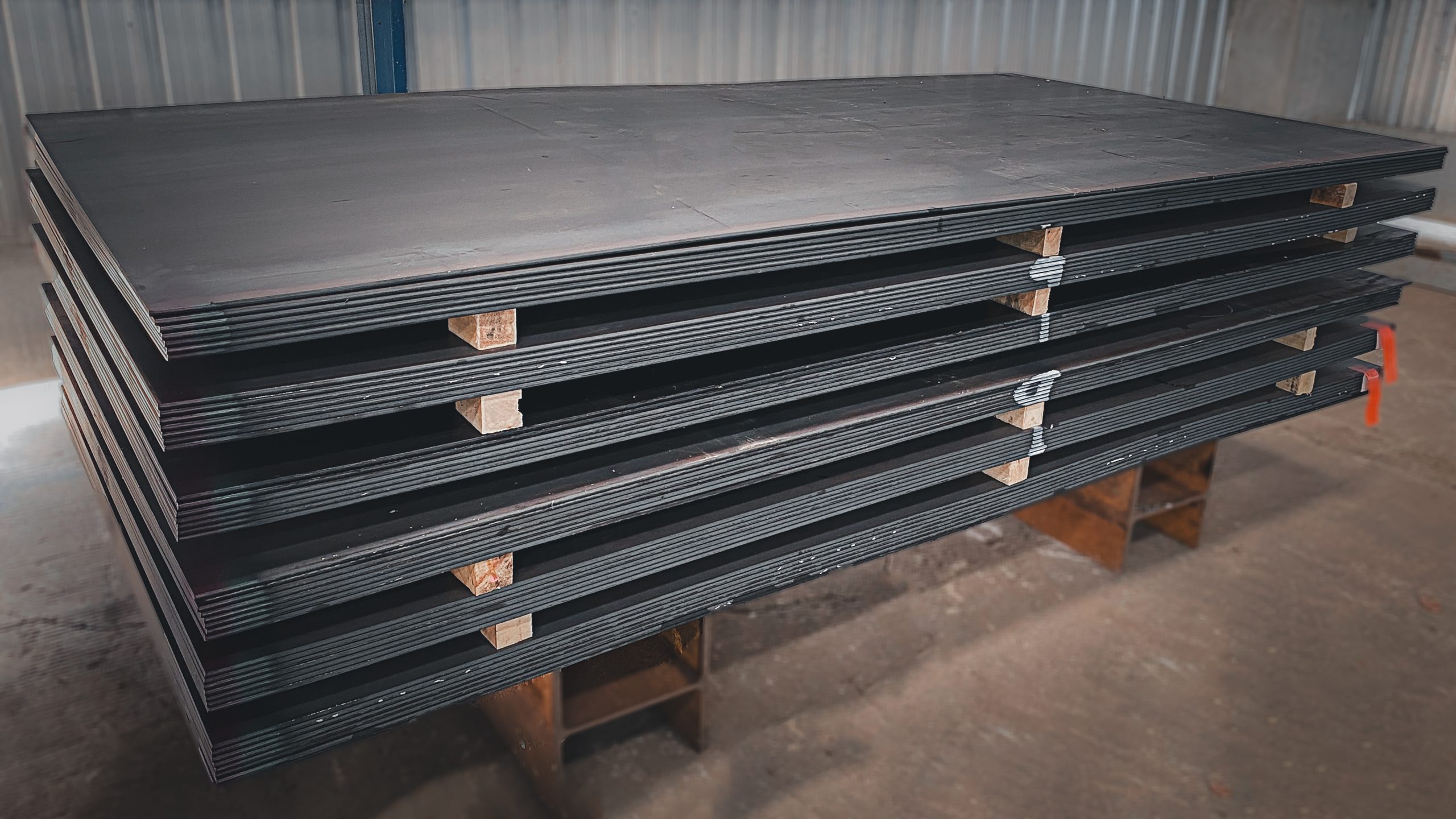
Thanks to the thin but uniform tin coating, this material not only ensures durability and service life for metal packaging, but also provides a bright, smooth surface that is easy to form, print, and coat—key factors in the modern food packaging industry.
The core factor that creates the outstanding advantages of tinplate lies in continuous electrolytic plating technology. Unlike hot-dip coating methods (such as galvanized steel), this technology uses direct current to deposit tin ions onto the steel surface in an electrolytic solution, delivering superior technical benefits:
High precision in coating thickness: The tin layer is precisely controlled down to micrometer levels, ensuring a flat, smooth, and uniform surface across the entire coil.
Differential coating capability on both sides: Allows adjustment of different tin coating thicknesses between the inner and outer surfaces (for example, a thicker coating on the food-contact side), optimizing material efficiency and production costs.
Superior purity and food safety: The electrolytic process removes metallic impurities, producing a high-purity tin coating that does not chemically react with food and fully complies with stringent food safety standards such as JIS G 3303 (Japan), ASTM A623 (United States), and EN 10202 (Europe).
The quality of tinplate begins with the purity of the base steel. Below is the typical chemical composition of MR base steel (Type MR) – the most commonly used grade for packaging applications.
| Element | Symbol | Content (%) | Technical Role |
| Carbon | C | 0.05 – 0.12 | Determines hardness. Low content improves ductility and deep drawability |
| Manganese | Mn | 0.2 – 0.6 | Increases strength and load-bearing capacity |
| Phosphorus | P | ≤ 0.02 | Kept at a low level to prevent cold brittleness |
| Sulfur | S | ≤ 0.02 | Impurity to be minimized to improve surface cleanliness |
| Silicon | Si | ≤ 0.02 | Maintained at a low level to ensure a bright, uniform tin coating |
The optimal combination of a high-quality cold-rolled steel substrate and a pure tin coating gives tinplate outstanding technical properties, meeting the stringent requirements of the metal packaging industry:
High food safety: Tin (Sn) is a chemically inert, non-toxic metal that does not react with food under normal conditions of use. The tin coating ensures absolute safety for direct food contact and complies with international food safety standards.
Excellent electric weldability: The tin-coated surface has good electrical conductivity, allowing high-speed and stable resistance welding. This is a key factor in the production of three-piece cans, ensuring tight weld seams, strong mechanical integrity, and uniform quality on automated production lines.
High ductility and formability: The steel substrate with good mechanical properties, combined with a thin and uniform coating, enables deep drawing, bending, and complex forming without cracking or coating delamination. As a result, tinplate is suitable for the production of two-piece cans, battery shells, and products requiring high precision.
Effective corrosion resistance: The tin layer acts as a physical protective barrier, preventing the external environment and acidic or saline components in food from directly contacting the steel substrate. This helps limit corrosion and maintains the durability and service life of the packaging throughout the product life cycle.
Unlike traditional hot-dip coated materials, tinplate features a sophisticated multilayer structure formed through continuous electrolytic tinning technology. This system consists of five tightly bonded material layers at the microscopic level, ensuring mechanical and chemical stability as well as superior processability:
Steel substrate layer: This is the main load-bearing core, typically low-carbon cold-rolled steel. This layer determines key mechanical properties such as tensile strength, ductility, deep drawability, and formability of the product.
Iron–tin alloy layer: This is an extremely thin transition layer, with a typical coating weight of approximately 0.1–0.5 g/m², formed during the electrolytic tinning and heat treatment process. This alloy layer acts as an “anchoring layer,” helping the tin coating adhere firmly to the steel substrate and limiting peeling or cracking of the coating during mechanical forming.
Free tin layer: This is the outer layer of pure tin with precisely controlled thickness. This layer directly determines corrosion resistance, food safety, electrical conductivity for welding, and surface brightness of tinplate.
Passivation layer: This is a thin chemical treatment layer, commonly using trivalent or hexavalent chromium, to prevent oxidation and yellowing of tin during storage. At the same time, this layer significantly improves the adhesion of paints, varnishes, or protective coatings in food packaging applications.
Oil layer: This is an ultra-thin DOS oil layer applied as the outermost layer, serving to lubricate the surface and reduce friction when sheets or coils come into contact and slide against each other during processing. As a result, surface scratching is minimized and production efficiency on can-making lines is improved.
The production process of tinplate using continuous electrolytic tinning (ETP) technology is a closed-loop sequence of operations requiring high-precision control to ensure surface quality, mechanical properties, and food safety. The standard process includes the following main steps:
Step 1: Cleaning and surface pretreatment: The cold-rolled steel strip passes through degreasing and pickling systems using alkaline and acidic solutions in an electrolytic environment. This step completely removes rolling oil, iron oxides, and surface impurities, creating an absolutely clean steel surface ready for tin plating.
Step 2: Annealing: The steel strip is heated in an annealing furnace to allow recrystallization of the grain structure and relieve residual stresses after cold rolling. As a result, the steel achieves suitable ductility and strength, meeting the requirements for deep drawing, forming, and severe processing in metal packaging production.
Step 3: Temper rolling: After annealing, the steel undergoes light rolling with a small reduction to adjust hardness, flatness, and surface roughness according to the specific technical requirements of each application (two-piece cans, three-piece cans, metal closures, etc.).
Step 4: Electrolytic tin plating: The steel strip passes through plating baths containing an electrolyte solution with tin ions (Sn²⁺). Under the action of direct current, tin is deposited and firmly bonded to the steel surface. This step allows precise control of coating thickness down to the micrometer level and enables differential coating on the two sides according to application requirements.
Step 5: Reflow and brightening: After plating, the strip is rapidly heated to slightly melt the tin layer, then immediately cooled. This process produces a high-brightness surface and simultaneously forms a stable iron–tin alloy layer (FeSn₂), enhancing coating adhesion and durability.
Step 6: Chemical treatment and protective oiling: In the final stage, the tinplate surface is passivated to prevent tin oxidation during storage and to enhance adhesion of paints or varnishes. Subsequently, an ultra-thin protective oil layer (DOS) is applied to reduce friction, prevent scratching, and protect the product during transportation and subsequent processing.
In the metal packaging industry, tinplate (ETP) is commonly compared with Tin-Free Steel (TFS) and Aluminum.
| Technical Criteria | Tinplate (ETP) | Tin-Free Steel (TFS) | Aluminum |
| Material Structure | Steel substrate + electrolytically coated tin layer (0.5–2.8 g/m² per side) | Steel substrate + chromium coating (ECCS) | Primary aluminum or aluminum alloys |
| Corrosion Resistance | Good, due to the self-protective tin layer | Entirely dependent on organic coating | Good, due to natural passivation mechanism |
| Food Compatibility | High, suitable for most food products | Moderate, requires specialized organic coatings | Good, especially for beverages and mildly acidic foods |
| Formability | Excellent | Good, surface harder than ETP | Good but prone to denting, limited for complex shapes |
| Weldability | Weldable | Not weldable; requires adhesive bonding or seaming | Not weldable in packaging production |
| Typical Applications | 2-piece and 3-piece cans, ends and bottoms, food containers | Easy-open ends, twist-off closures | Beverage cans, easy-open ends (EOE) |
Although plastic and paper packaging are becoming increasingly common, tinplate continues to hold a leading position in the food packaging segment that requires long-term preservation. This is due to four core advantages that alternative materials are difficult to deliver simultaneously:
Prevention of chemical migration (Absolute safety)
One of the major limitations of plastic packaging is the risk of microplastic and polymer additive migration into food, especially when exposed to high temperatures or acidic environments. In contrast, tinplate, with its chemically inert tin coating, forms a complete physical barrier that does not react chemically with food. As a result, flavor, nutritional value, and food safety are preserved throughout the entire storage period.
Absolutely airtight and light-proof environment
Tinplate packaging is capable of completely blocking light and preventing air ingress (oxygen, moisture, and microorganisms):
100% light barrier: Protects light-sensitive vitamins such as A, C, and D, while limiting lipid oxidation—the primary cause of rancidity and off-odors.
Completely airtight: Maintains a stable internal environment, allowing food to be stored for 2–5 years under ambient conditions without the use of chemical preservatives.
Ability to withstand high-temperature and high-pressure sterilization
In canned food production, products must undergo sterilization at temperatures of approximately 121°C and high pressure to completely eliminate harmful microorganisms. Tinplate offers high mechanical strength and thermal stability, does not deform, does not release toxic substances like some plastics, and does not face the risk of cracking due to thermal shock like glass packaging. This is a key factor that makes tinplate the standard material for canned foods.
Outstanding sustainability and recyclability
Steel is one of the most easily recyclable materials in the world due to its magnetic properties. Used tinplate cans can be efficiently recovered and sorted using magnets at waste processing facilities. Notably, steel can be recycled almost infinitely without degradation of its mechanical properties, fully aligning with the circular economy orientation and carbon emission reduction goals of the modern food packaging industry.
In addition to its dominant role in the food packaging industry, tinplate—combining the mechanical properties of the steel substrate with the chemical inertness and weldability of the tin coating—is widely used in many industrial sectors with high technical requirements:
Industrial & Chemical Packaging:
Aerosol cans: Used in products such as spray paints, insecticides, cosmetics, and consumer chemicals. The high-strength steel substrate allows the can to withstand high internal pressure (approximately 12–18 bar), limiting bulging or leakage and ensuring safety during use and transportation.
Solvent containers: Applied in the storage of oil-based paints, varnishes, and industrial chemicals. The chemically inert tin coating with organic solvents helps limit corrosive reactions, reduce leakage risks, and ensure fire and explosion safety during long-term storage.
Electric Vehicle Battery Technology (Emerging trend):
Battery cell casings: Tinplate is used to manufacture cylindrical battery casings (such as 21700 and 4680 formats) for electric vehicles. The high-purity, ductile steel substrate enables deep drawing into long cylindrical shapes while maintaining tin coating adhesion, meeting airtightness and mechanical strength requirements of battery cells.
Safety battery caps: The material’s high hardness and precision are suitable for machining pressure relief grooves (safety vents) on battery caps, enabling timely gas release and reducing the risk of overpressure and thermal runaway during battery operation.

Electronic Components:
EMI shielding enclosures: Tinplate is used to produce shielding cages for microcircuits in phones, computers, and electronic devices, helping reduce electromagnetic interference and enhance signal stability.
Connectors & component leads: Thanks to excellent solderability and good electrical conductivity, tin-coated surfaces enable fast, stable, and durable electrical connections, suitable for applications requiring high reliability.
Automotive & Mechanical Parts:
Oil filters & gaskets: Used in engines and lubrication systems due to superior resistance to heat, hot oil, and harsh environments compared to many polymer materials. At the same time, tinplate is easy to stamp and form, ensuring sealing performance and durability during operation.
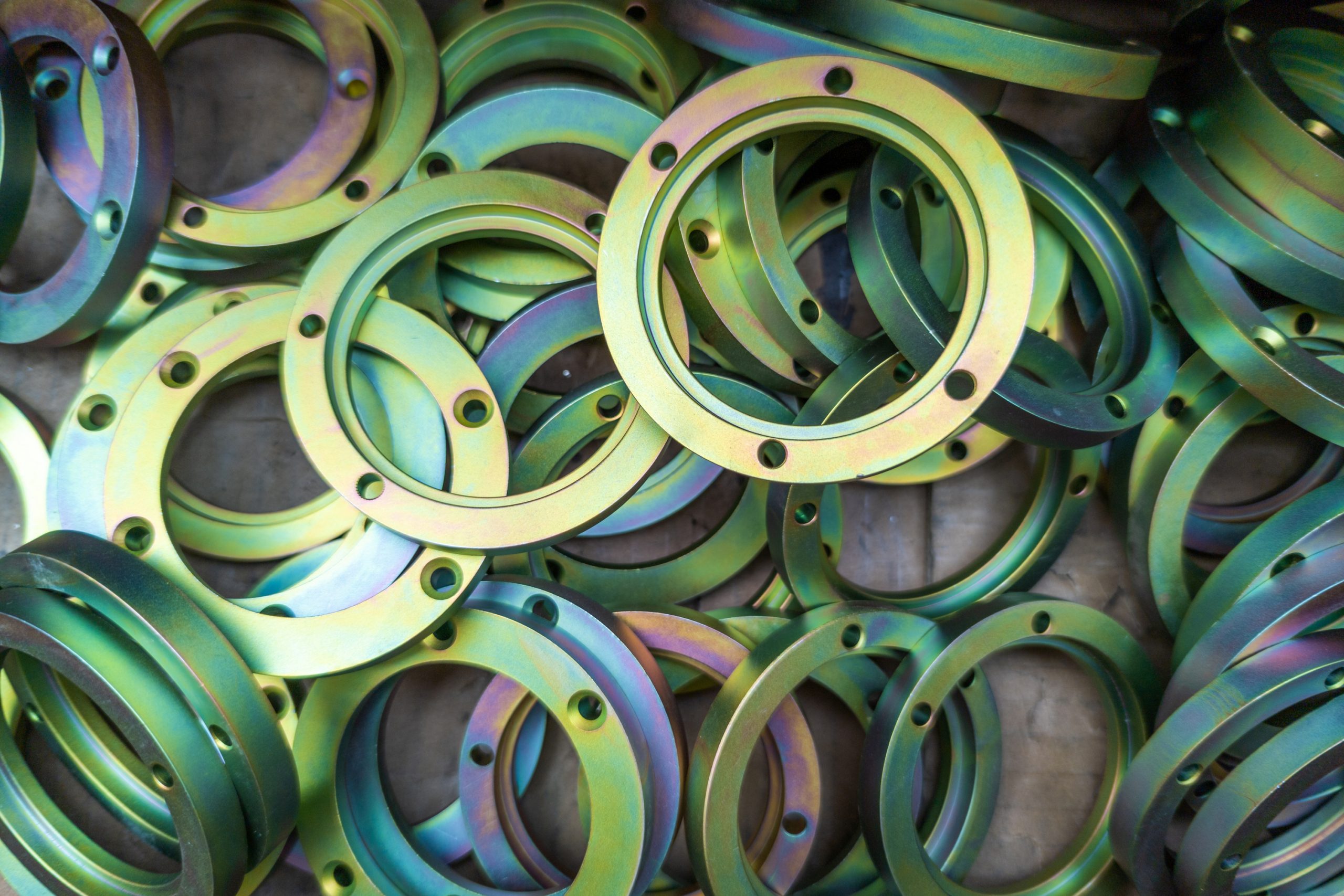
With high food safety, long-term preservation capability, resistance to sterilization processes, and sustainable recyclability, tinplate is not merely a packaging material—it is the global standard of the food industry.
With near-absolute food safety, long-term preservation in an airtight environment, the ability to withstand high-temperature and high-pressure sterilization, and outstanding sustainability through infinite recyclability, tinplate is not just a packaging material—it has become a core technical standard of the global food and beverage industry for more than a century. As consumers increasingly focus on health, traceability, and the environmental impact of packaging, tinplate continues to assert its irreplaceable role compared to plastics and other alternative materials, especially for products requiring long shelf life, high safety, and absolute quality stability.
Understanding these stringent market requirements, MRM Steel supplies international-standard ETP tinplate products with stable surface quality, precisely controlled coating weights, and excellent formability, deep drawing, and resistance welding performance, fully meeting the demands of food packaging, industrial packaging, and high-technical applications. Beyond being a material supplier, MRM Steel partners with customers in selecting appropriate tinplate solutions for specific applications—from food tinplate cans and beverage cans to chemical packaging and emerging fields such as batteries and electronic components.
Choosing the right material is crucial for your brand’s success. If you are looking for high-quality solutions that balance performance with cost, keep an eye on the current tinplate price trends. At Mr.M Steel, we provide competitive pricing and premium quality to ensure your packaging stands out. Contact us today to get an updated quote and expert advice tailored to your needs.
For detailed consultation on ETP tinplate, technical standards, product specifications, and optimized solutions for your production line, please contact MRM Steel via Hotline: (877) 289–6429 – a trusted partner for businesses pursuing quality, safety, and sustainable development.