
 EN
EN PT
PT


Head Offices:
Hotline: (877) 289-6429
Working Hours:
Monday to Saturday 6:00 AM – 7:00 PM, Sunday Closed
Website: https://mrmsteel.ai/
Standard Steel Production Process in the Metallurgical Industry. In the modern materials industry, steel always plays a fundamental role in most sectors such as construction, mechanical engineering, equipment manufacturing, and technical infrastructure. The development of metallurgical technology has helped optimize the steel production process in terms of efficiency, quality, and the ability to control the technical properties of materials. Especially by 2026, steel plants around the world are applying many advanced metallurgical technologies to improve strength, reduce energy consumption, and increase sustainability in the steel industry.
Understanding the steel production process, from input raw materials and metallurgical principles to the steps of forming finished products, helps businesses, engineers, and investors better understand the quality of materials used in construction projects. At the same time, this also provides consumers with more knowledge to select steel products suitable for construction and manufacturing needs.
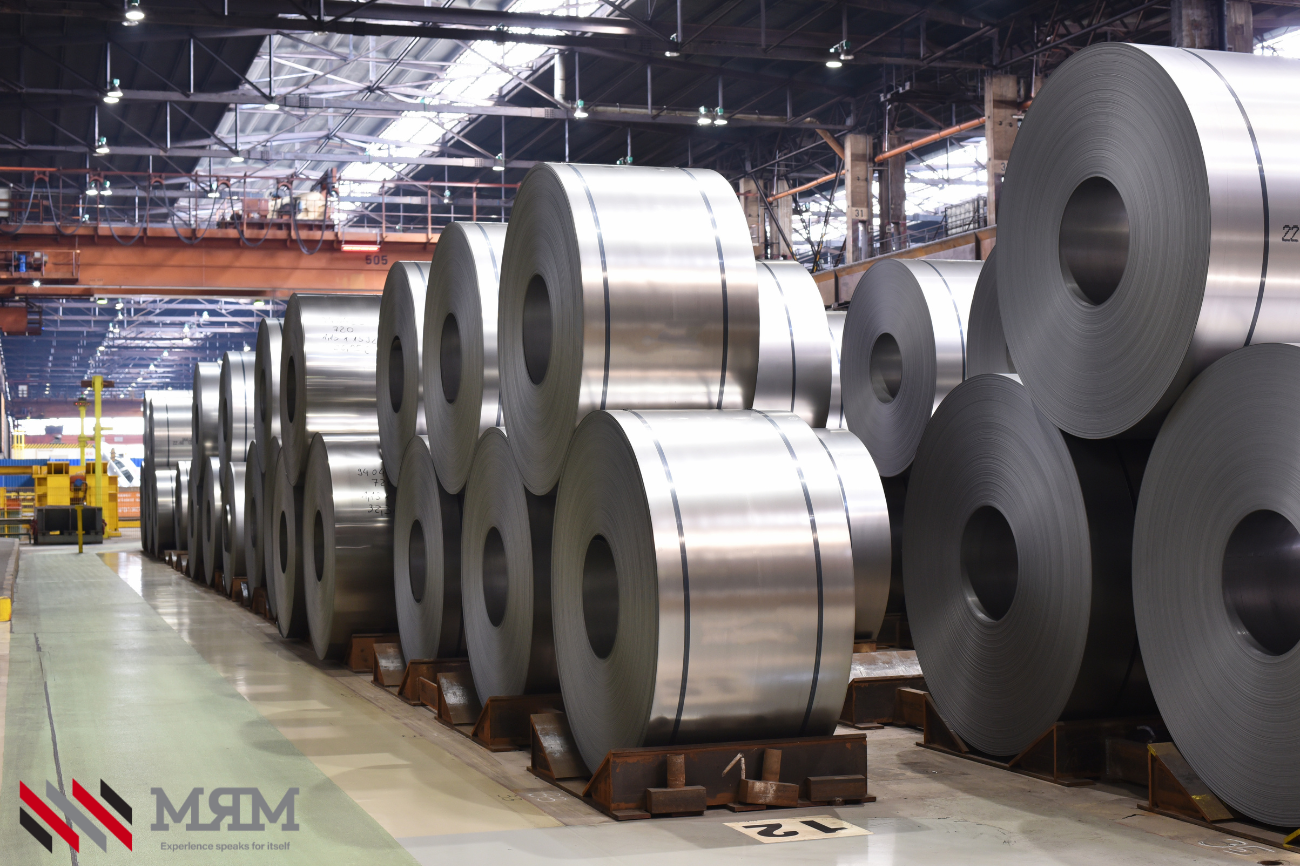
Steel is a metallic alloy formed primarily from iron (Fe) and carbon (C), in which the carbon content usually does not exceed 2%, the manganese (Mn) content is generally below about 1%, along with several other elements such as phosphorus (P), sulfur (S), silicon (Si), oxygen (O), and other trace elements. In the metallurgical industry, steel is produced through the smelting and refining process of an iron–carbon mixture together with alloying elements under high-temperature conditions to create a material with superior mechanical and technical properties.
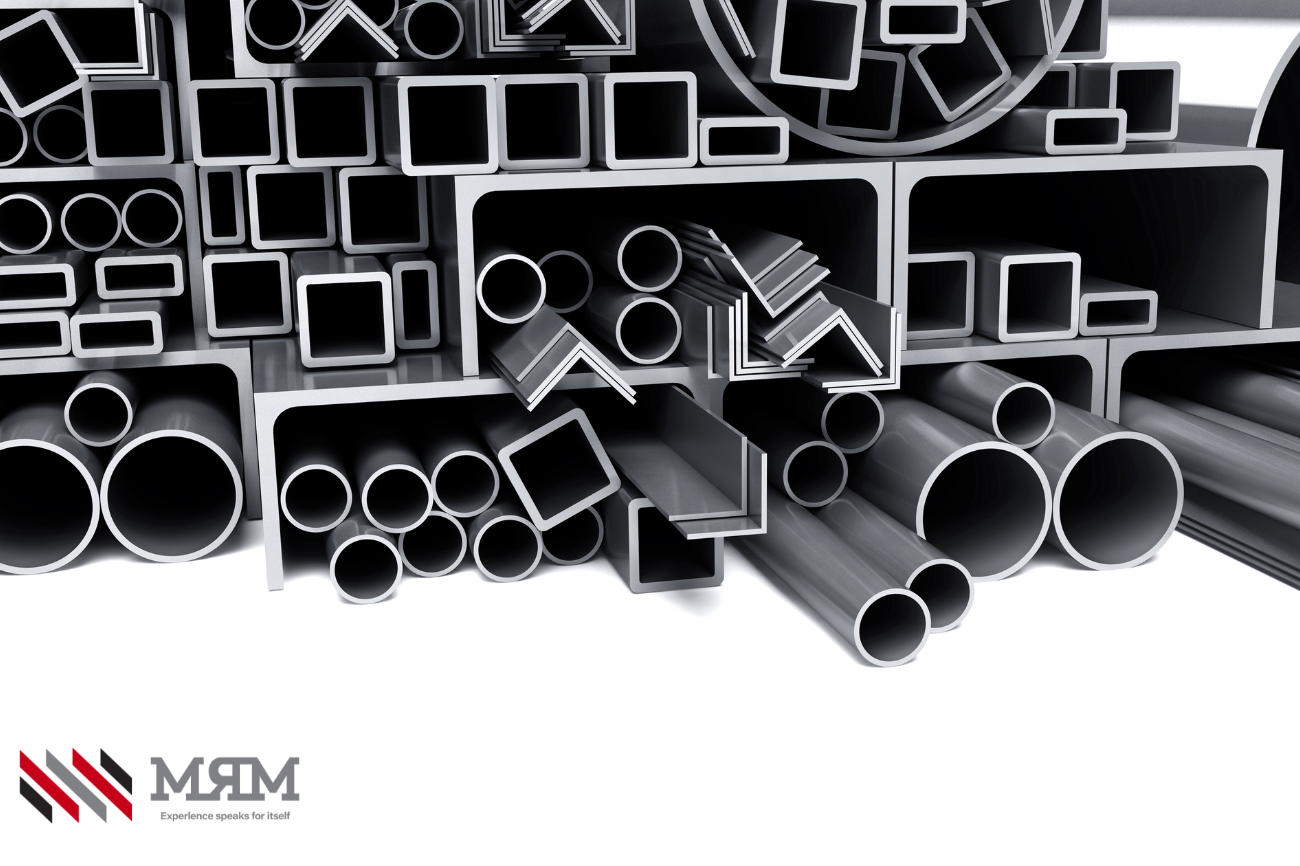
Today, steel is one of the most important industrial materials and is widely applied in many fields such as construction, mechanical engineering, heavy industry, equipment manufacturing, and technical infrastructure. From civil structures such as houses, bridges, and factories to industrial products such as machinery, equipment, metal structures, fences, furniture, and agricultural tools, steel plays an indispensable role.
Thanks to its high strength, good durability, large load-bearing capacity, and ease of processing, steel can be rolled, stamped, bent, welded, or formed into many different types of products. In addition, with the development of modern surface treatment technologies such as galvanizing, coating, or alloy plating, steel can also resist oxidation, corrosion, and harsh environmental impacts, thereby extending the service life of both products and structures.
Iron Ore: Iron ore is the primary raw material that supplies iron for pig iron smelting and steel production. The ore is extracted from natural mineral deposits, in which the most common types are hematite (Fe₂O₃) and magnetite (Fe₃O₄). After extraction, the iron ore is washed, crushed, and beneficiated to produce iron ore concentrate, ensuring that the iron content meets the required standard before being charged into the furnace.
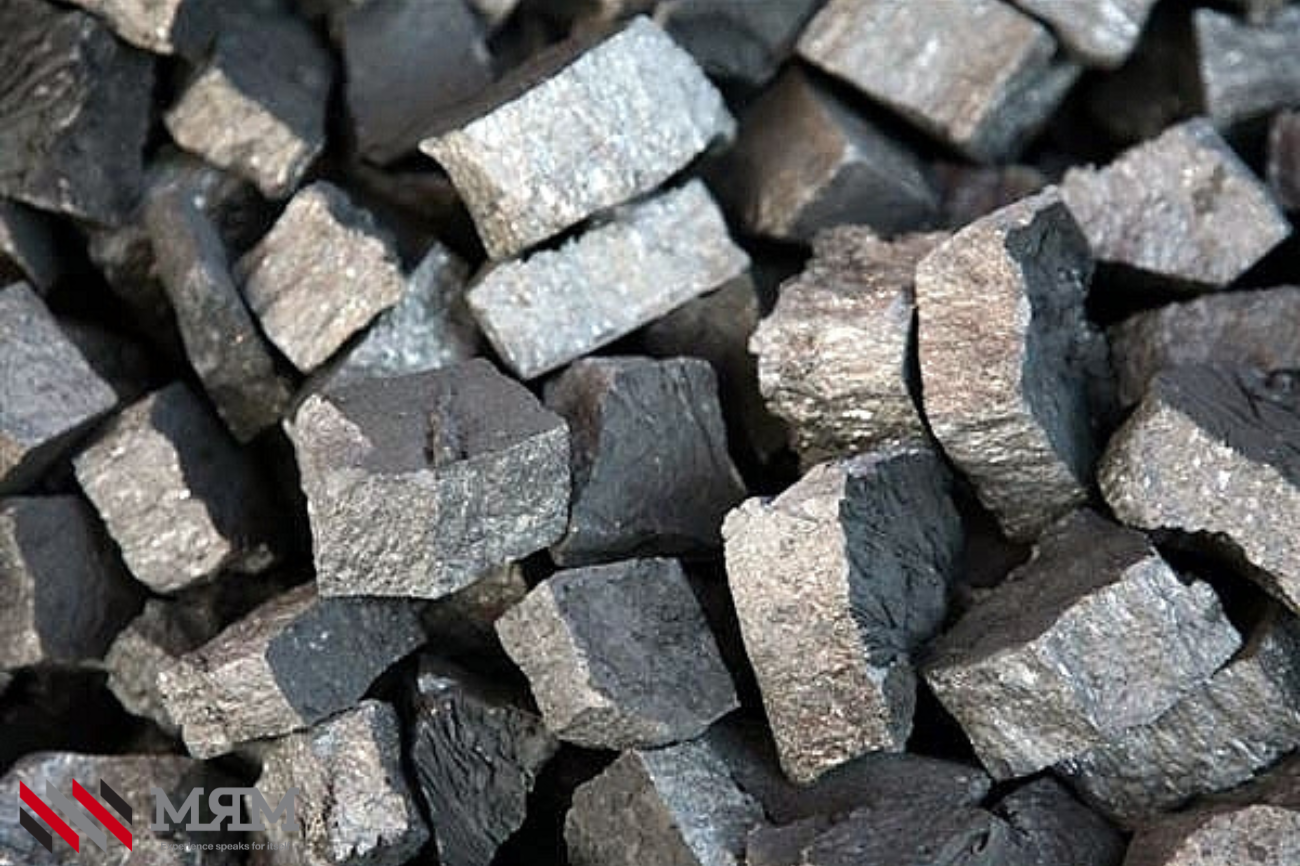
Coke: Coke is an essential fuel and reducing agent in the pig iron smelting process using a blast furnace. Coke is produced from coal through a coking process under oxygen-deficient conditions. Inside the furnace, coke provides a large amount of heat and generates CO gas, which acts as the reducing agent that converts iron oxides into molten metallic iron.
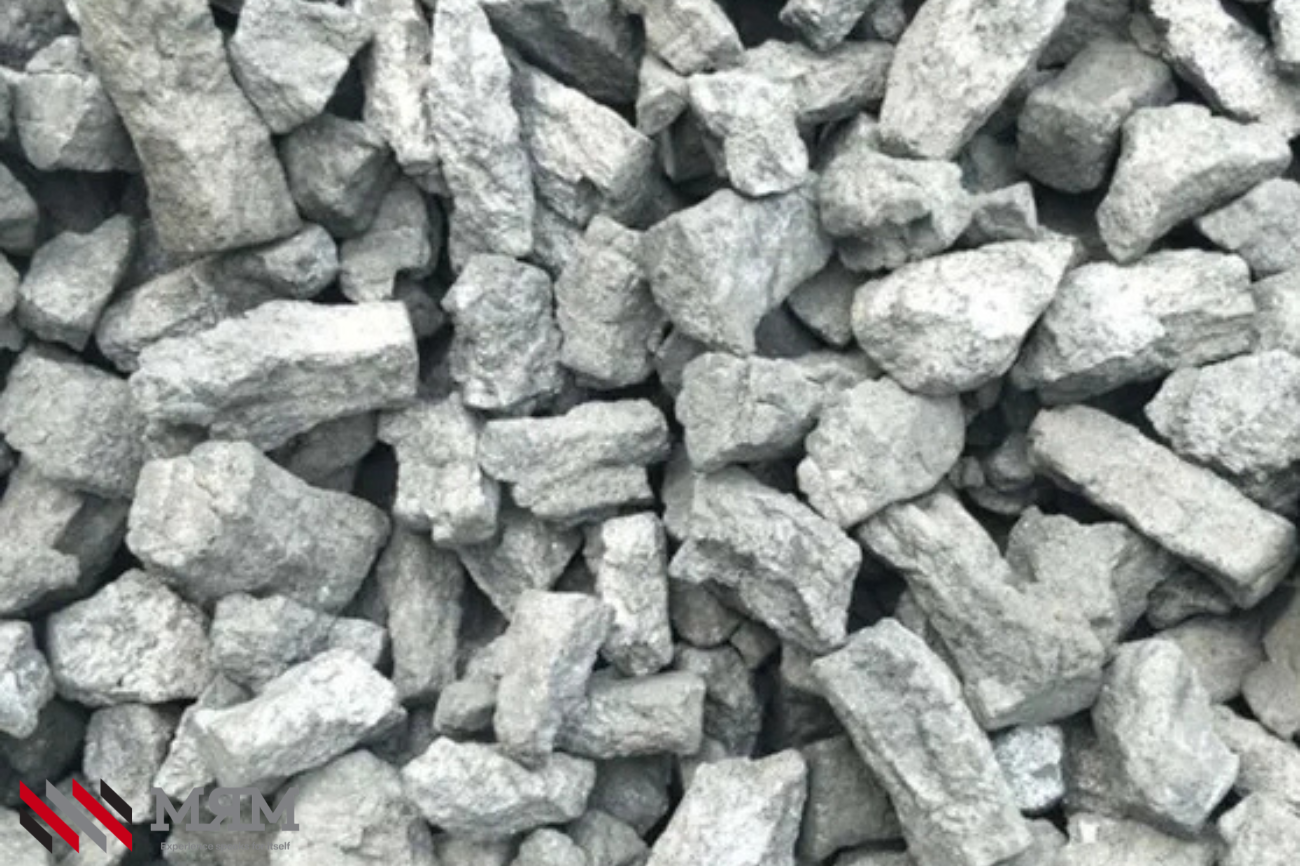
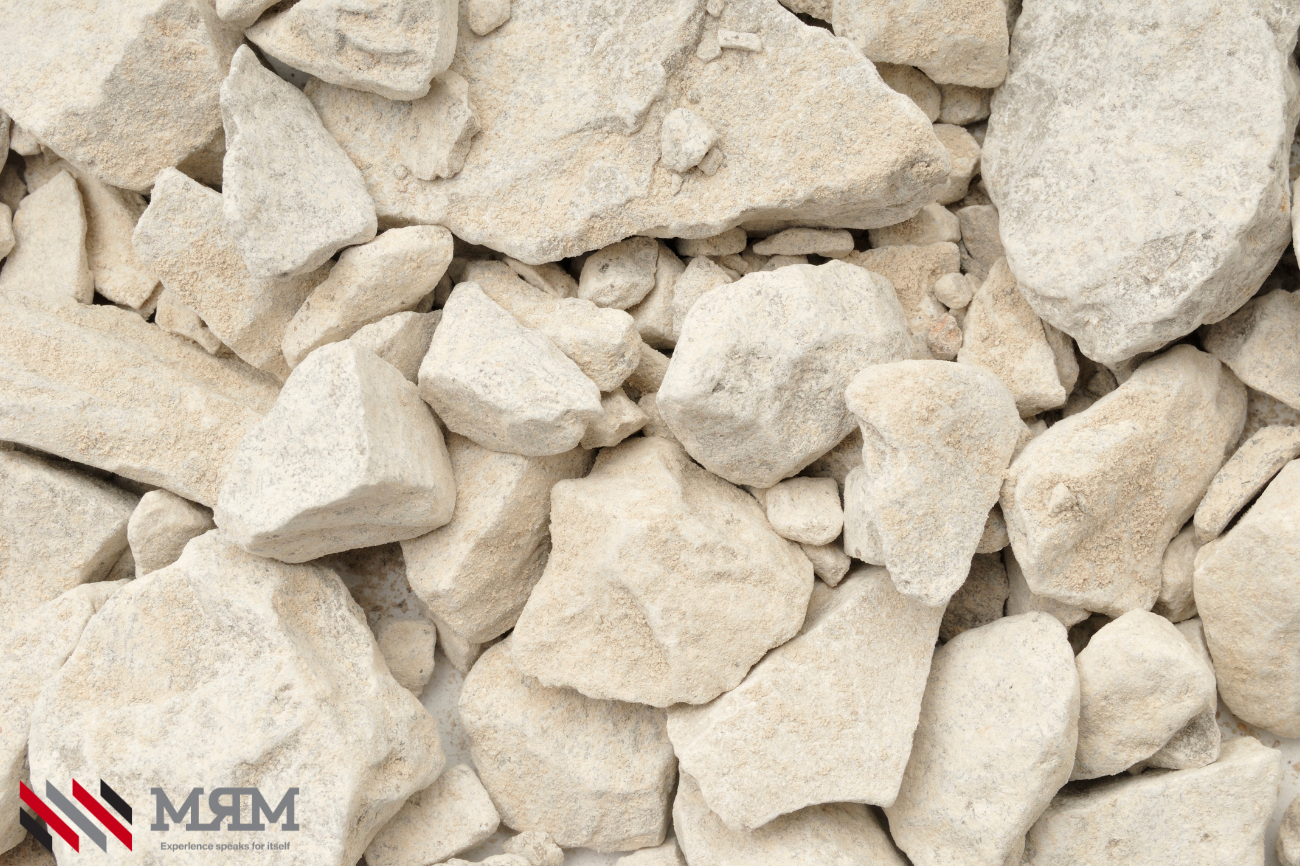
Limestone: Limestone (CaCO₃) is an important flux in metallurgical processes. When charged into the blast furnace, limestone decomposes into quicklime (CaO), which reacts with impurities such as silicon, phosphorus, and sulfur to form metallurgical slag, thereby helping separate impurities from the molten metal.
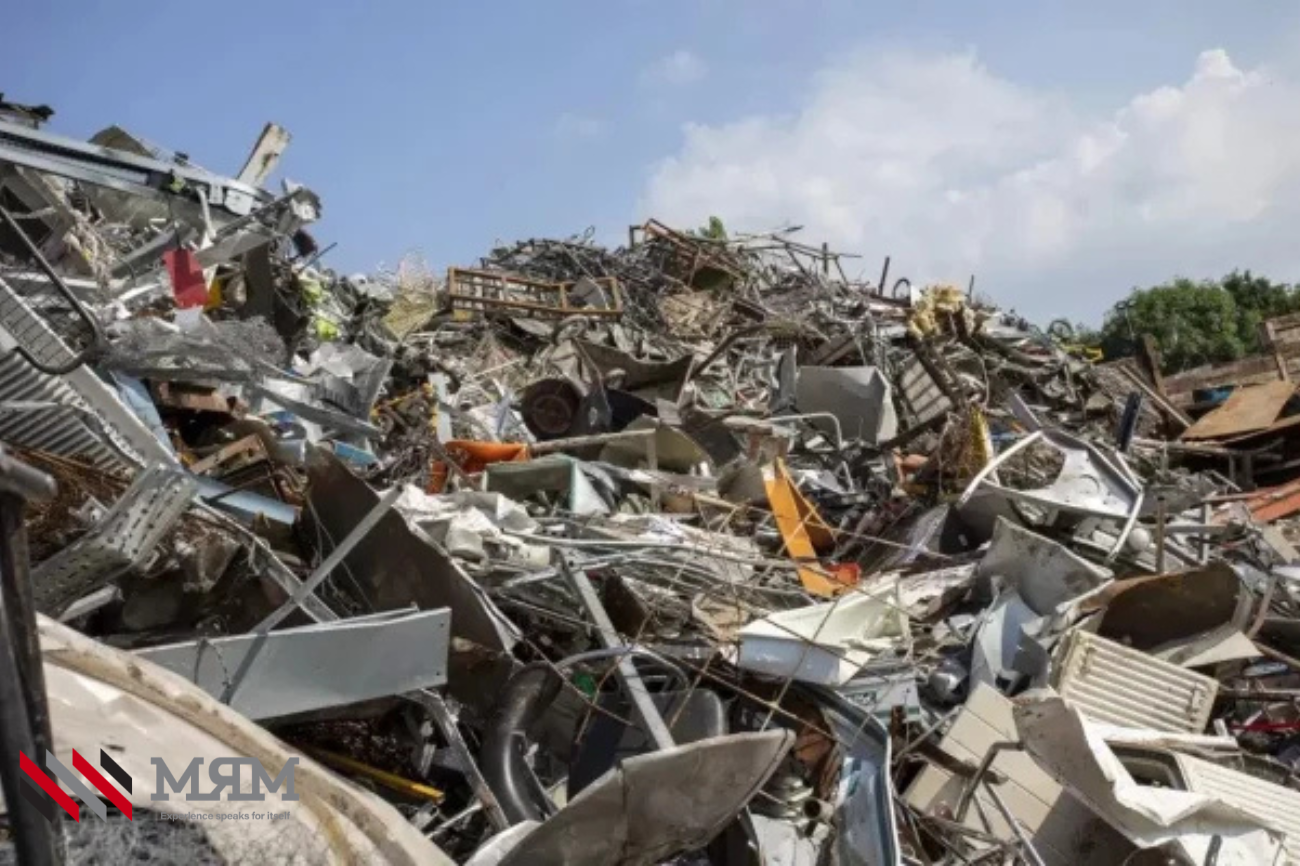
Steel Scrap: Steel scrap is an important raw material, particularly in steelmaking technology using the Electric Arc Furnace (EAF). The use of steel scrap not only reduces raw material costs but also contributes to resource recycling and environmental emission reduction, aligning with the sustainable development trend of the modern steel industry.
Alloying Elements: During the steelmaking process, alloying elements such as manganese (Mn), nickel (Ni), chromium (Cr), and molybdenum (Mo) are often added to improve the mechanical properties of steel, including tensile strength, hardness, wear resistance, and corrosion resistance. Depending on the intended application, the alloy composition is adjusted to produce different types of specialized steels.
The steel production process in the metallurgical industry must comply with strict technical principles and cannot be carried out arbitrarily or without precise proportions. Controlling the chemical composition, temperature, and reaction conditions is a decisive factor in producing steel products that meet quality standards.
In principle, steel is formed through the melting of alloys in metallurgical furnaces at extremely high temperatures, typically around 1,600°C (2,900°F) or higher, depending on the steelmaking technology applied.
Throughout the smelting process, many complex chemical reactions continuously occur inside the furnace. These reactions include the reduction of metal oxides, oxidation of impurities, and slag-forming reactions. Therefore, each stage must be precisely optimized in terms of temperature, time, and the ratio of chemical elements to ensure that the reactions proceed in the intended direction and produce finished steel with stable quality that meets technical requirements and industrial standards.
Steel is an alloy of iron (Fe) and carbon (C) with a carbon content below 2%, and it may also contain several other alloying elements such as manganese (Mn), silicon (Si), phosphorus (P), oxygen (O)… Steel is formed through the melting and refining of metal, after which it is widely applied in many fields such as construction, machinery manufacturing, mechanical engineering, infrastructure structures, fence production, steel structures, and many other industries.
The modern steel production process is carried out through a closed technological chain, consisting of multiple stages from processing input raw materials to producing finished steel products.
In the initial stage, raw materials such as iron ore and metallic compounds are processed to remove impurities and obtain the necessary metal components for the steelmaking process. After preliminary treatment, the iron ore is charged into the furnace and combined with auxiliary materials such as coke and limestone. These materials play an important role in the reduction process and slag formation, helping separate impurities from the molten metal and must meet strict technical requirements of the metallurgical process.
After preparing the raw materials, iron ore is charged into the blast furnace through the top of the furnace, while hot air is blown in from the bottom. Under very high temperatures, around 2000°C, the iron ore is gradually reduced and melted, forming molten metal. The molten metal is then transferred to the refining stage to remove remaining impurities and improve the purity of the steel. The refining process can be carried out using technologies such as the Electric Arc Furnace (EAF) or the Basic Oxygen Furnace (BOF), depending on the production method of each steel plant.
Molten steel after refining is transferred to the continuous casting system to produce semi-finished steel billets. Common billet forms include billet, slab, and bloom. Billets are typically used to produce deformed bars and steel wire rods, while slabs are used for manufacturing steel plates and steel coils. Blooms are larger in size and are used for structural steel products. After casting, the billets can be used immediately in the hot state for further hot rolling, or they can be cooled for transportation, storage, or transfer to other plants for further processing.
After being produced, steel billets are sent to rolling mills to be processed into various steel products. In the hot rolling process, billets are heated at high temperatures and rolled into products such as hot rolled coils, steel plates, or structural steels such as I-beams, U-channels, and V-sections. In the cold rolling process, hot rolled coils are cooled and surface-treated before entering the rolling line. The steel is then pickled and passed through a multi-stand rolling system, where X-ray thickness gauges and the Automatic Gauge Control (AGC) system are used to ensure dimensional accuracy and product quality.
After completing the cold rolling process, steel can undergo further surface treatment such as galvanizing to improve corrosion resistance. The galvanizing process is typically carried out using Non-Oxidizing Furnace (NOF) technology, which creates a coating with strong adhesion and a more refined steel surface. In addition, during the production of steel pipes, high-frequency welding technology is applied to create strong weld seams with high aesthetic quality. Depending on production requirements and application needs, steel can be fabricated into many different forms such as rectangular hollow sections, round steel pipes, square tubes, or other structural steel products with various sizes.
After completion, steel products undergo quality inspection according to technical and international standards to ensure they meet requirements for strength, dimensions, and surface quality. Information such as product identification numbers, labels, and technical specifications is clearly marked to ensure traceability. Finally, the steel products are carefully bundled and packaged according to technical standards before being transported and delivered to customers.
Steel is one of the most important and indispensable materials in many fields of modern life, especially in the construction and industrial sectors. Thanks to its outstanding mechanical properties such as high strength, excellent load-bearing capacity, ductility, and flexible fabrication capability, steel not only meets strict technical requirements but also contributes to the diversity of design and aesthetics in construction projects. Below are some of the most common benefits and applications of steel.
Wide range of applications: Steel is widely used in many different fields, particularly in construction and industry. This material plays an essential role in forming the load-bearing structures of projects such as high-rise buildings, bridges, factories, warehouses, apartment complexes, as well as many other civil and industrial structures.
Relatively lightweight but high strength: Compared with many traditional construction materials such as mass concrete, steel structures are lighter in weight while still ensuring high load-bearing capacity and structural stability. At the same time, steel also has good resistance to environmental impacts such as temperature, humidity, and harsh weather conditions.
Aesthetic value in design: Steel can be cut, shaped, and fabricated into a wide variety of forms, from structural components to decorative elements. As a result, this material allows architects and engineers to easily create unique designs that meet the aesthetic requirements of each construction project.
Ductility and flexible fabrication capability: Steel products can be processed using various methods such as welding, cutting, bending, stamping, punching, rolling, folding, or coiling. Thanks to its ductility and good formability, steel can be manufactured into many different shapes and sizes while still maintaining the inherent mechanical properties of the material.
Time-saving during construction: Many steel products today are prefabricated and manufactured in factories, then transported to the construction site for installation. This helps shorten construction time, reduce labor costs, and improve efficiency during the building process.
High durability and recyclability: Steel is one of the materials with high durability and long service life, capable of being used for extended periods while still maintaining structural quality. In addition, steel is also highly recyclable, helping conserve resources and reduce environmental impact, which is why it is widely used in industries around the world.
It can be seen that the steel production process is a complex chain of stages that requires strict control from raw material input, metallurgical temperature control, to rolling, forming, and product quality inspection steps. Complying with proper metallurgical principles not only ensures that steel meets technical standards but also helps improve durability, safety, and service life for construction projects as well as industrial equipment.
In the context of increasing demand for construction materials, choosing a reputable steel supplier plays a very important role in ensuring quality and economic efficiency for projects. MRM Steel is proud to be a supplier of high-quality steel products, meeting diverse needs from civil construction and industrial projects to infrastructure works.
If you are looking for a reliable steel material source for your project, please contact MRM Steel via Hotline (877) 289 – 6429 for detailed consultation and to select suitable products. MRM Steel is always ready to accompany you in building sustainable, safe, and long-lasting projects.