
 EN
EN PT
PT


Linha Direta: (877) 289-6429
Horário de Funcionamento:
Segunda a Sábado, das 06:00 às 19:00; Fechado aos Domingos
Site: https://mrmsteel.ai/
Pre-Engineered Metal Building Supplier: Essential Checks Before Shipping
He’d never ordered a building before. His small equipment business needed a place to store two trucks and a growing pile of tools that had already outgrown a rented unit. What he told us on the first call wasn’t about steel gauge or warranty terms. It was that he’d read enough forum threads about a pre-engineered metal building supplier shipping the wrong configuration that he wanted someone to walk him through it before he committed to anything.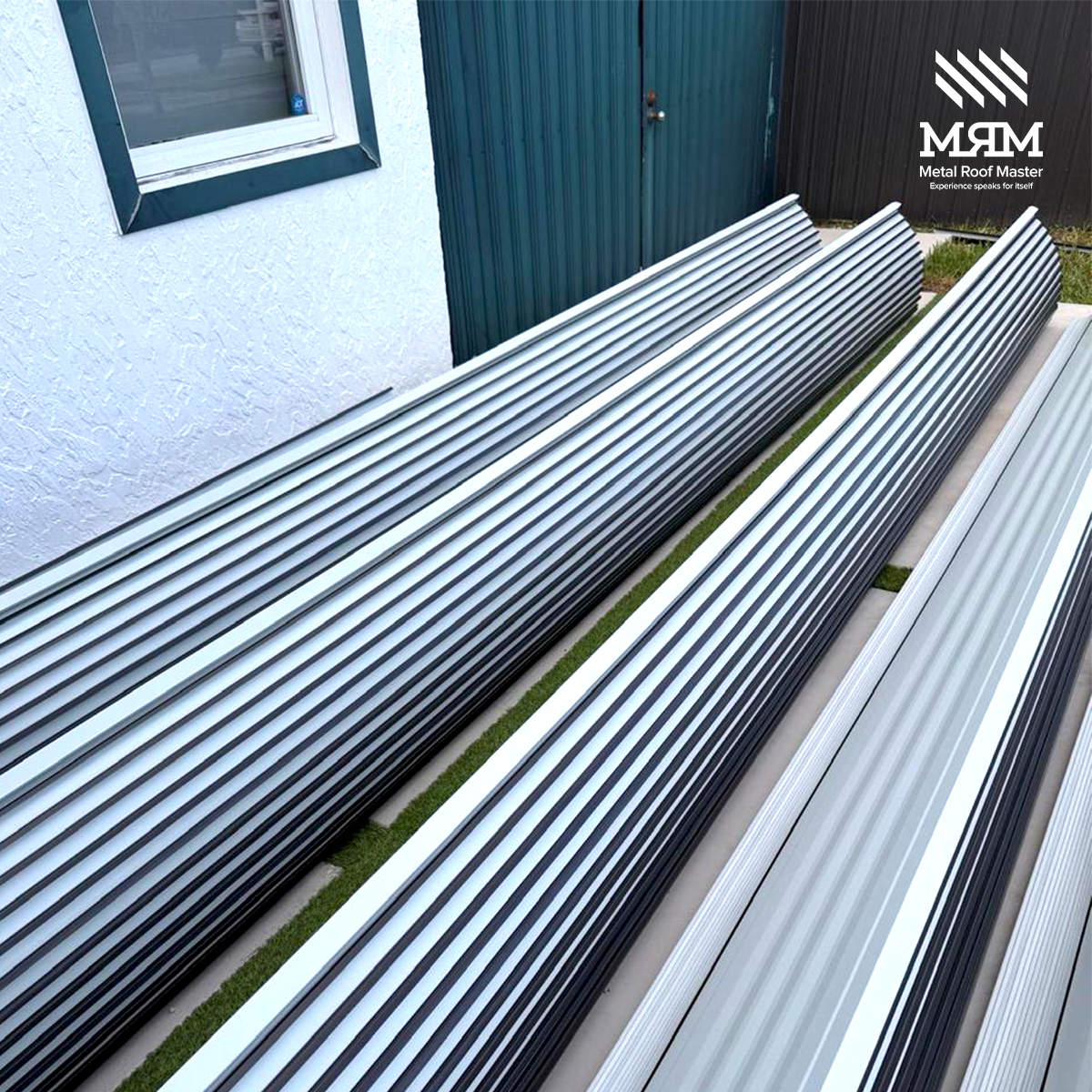
What He Was Actually Worried About
Not the cost, and not really the timeline either. His specific concern was ordering something sight-unseen that turned out to be the wrong clearance for his trucks, or missing a detail on the foundation requirements until the crew already had concrete poured wrong. A building package is a bigger commitment than most of what we ship, and once the foundation is poured, changing the size or layout can become a much more expensive problem.
What a Pre-Engineered Metal Building Supplier Checks Before Confirming the Order
- Actual site dimensions and clearance, including door swing and truck turning radius, not just the footprint
- Foundation type already planned or in place, since the package assumes a specific foundation spec
- Local wind and code requirements for his area, which determine framing and anchoring details
- Door and window placement based on how he actually planned to use the space
- Roof and wall color, trim options, and whether standing seam or Galvalume roofing fit his budget better
- What’s included in the structural, paint, and roof warranties, and what voids them
The reason we walk through these details before confirming the order is simple: the building package has to work with the site, not just look correct on paper. A footprint can fit the available space while still creating problems with access, doors, foundation placement, or clearance around the building.
We also want to know what decisions have already been made and which ones are still open. If the foundation is already planned, we need to understand the foundation requirements before the framing package is finalized. If the building will be used for equipment, storage, or another specific purpose, door locations and clearances can affect how practical the finished building will be.
These checks may feel small compared with the overall size of a building package, but they are easier to address before the order is finalized than after components have been produced or the foundation work has moved forward.
The Detail That Almost Got Missed
He’d measured his lot for the building footprint but hadn’t accounted for door swing clearance on the side facing his property line — close enough that the standard door configuration would have made it awkward to fully open a truck door while parked inside. We caught it during the site review call, before the package was finalized, and shifted the door placement to the adjacent wall instead. It’s a small adjustment on paper. It’s a much bigger problem to discover after a foundation is already poured to fit the original layout.
It was a good example of why the first conversation matters. The issue was not with the building footprint itself. The problem was how one part of the building would be used once the doors were installed and opened.
For a first-time buyer, these details are easy to overlook because the main question is often whether the building will fit the property. Our job is to look beyond that basic measurement and ask how the building will actually function on the site.
Catching the clearance issue at this stage meant the configuration could be reviewed before the package was finalized. That is much easier than discovering the same problem after the building has arrived and the surrounding work has already been completed.
The Foundation Conversation
Before any of the building specs were finalized, we also asked what foundation he had planned — a slab, in this case, already scheduled with a local contractor. The building package assumes a specific foundation spec tied to the framing type, so confirming that match happened before his foundation contractor poured anything, not after. It’s an easy coordination step to miss when the foundation contractor and building supplier are working separately. That’s why we ask for those site details upfront instead of leaving the two sets of requirements to be reconciled later.
That review also gave the buyer a clearer picture of what he was responsible for versus what the building package needed from the supplier. He still had his own local contractor handling the concrete work, but the foundation could not be treated as a separate job with separate dimensions. The frame, anchor locations, and foundation requirements had to line up before either side moved too far ahead. For a first-time buyer, that distinction made the process much easier to understand.
The foundation discussion also gave us a chance to make sure everyone was working from the same information. The building package and the foundation cannot really be treated as two completely separate decisions. The framing system, foundation requirements, and site conditions have to be coordinated.
That is why we do not treat the foundation as a detail to figure out later. Before the package is finalized, the buyer needs to understand what the building assumes about the foundation and make sure the planned foundation can support that configuration.
For the buyer, this creates a clearer handoff between the building order and the work happening on site. For us, it reduces the chance that a problem appears later simply because two parts of the project were planned separately.
Why This Kind of Order Is a One-Shot Decision
Most of what we ship can be reordered or adjusted if a detail turns out to be wrong. A building package doesn’t really work that way once a foundation is poured to a specific footprint and door placement — correcting a mismatch at that point usually means breaking concrete, not just placing a new order. That’s the actual reason the site review conversation happens before anything is finalized rather than as an afterthought: for this kind of order, there typically isn’t a low-cost second attempt.
What Shipped and What Came With It
The package that went out was a 24×48 building — I-beam framing, 26-gauge sheeting, standing seam roof — with a 50-year structural warranty, 40-year paint warranty, and 25-year roof warranty. A Project Coordinator was assigned at no additional cost, which mattered more to him after the door-placement conversation than it had at the beginning of the order.
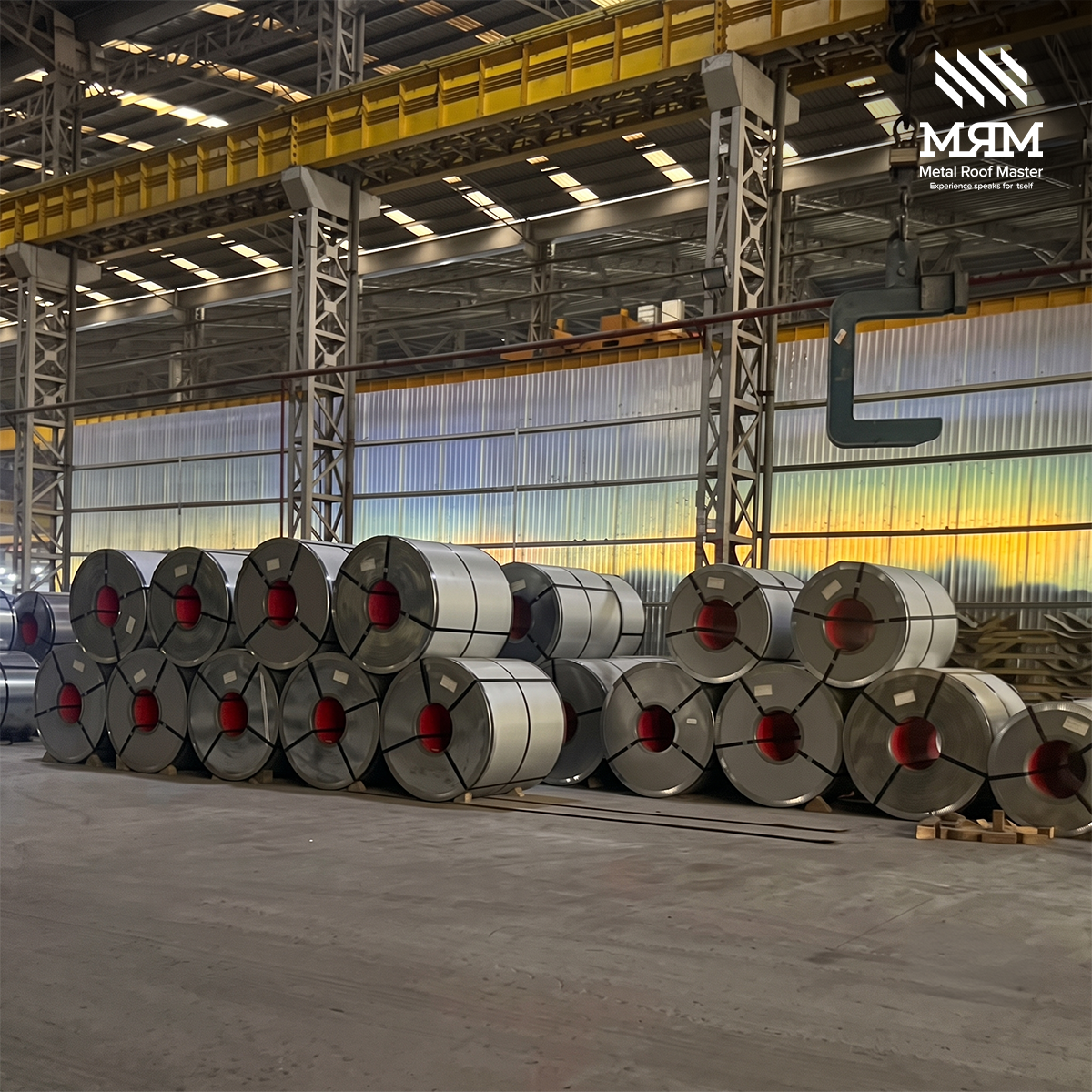
What Arrived With the Building
The shipment included the framing components, sheeting, trim, and fasteners specified for the 24×48 package, along with the structural drawings his local contractor needed for the foundation and assembly, and the warranty documentation for all three coverage periods. None of that required a follow-up call to track down — it went out with the order, which mattered given he was coordinating his own local labor for the actual assembly rather than using an MRM crew.
What He Said After Setup
Once the building was up, his comment wasn’t really about the building itself — it was that the door placement conversation had been the moment he stopped worrying about the order. Everything after that felt like following a plan that had already been checked, rather than hoping it would work out.
That was really the outcome we were aiming for during the earlier calls. The goal wasn’t to make the order feel complicated; it was to catch the few details that could make the order complicated later. Once the dimensions, door placement, foundation requirements, and package specifications were aligned, the rest of the process had a much clearer path to follow.
The Color and Trim Conversation
Color came up almost last, after the site and foundation details were settled, which is usually the right order even though it’s often the first thing buyers want to talk about. He picked a dark trim to match the equipment he already owned rather than anything structural, and that choice had zero bearing on clearance, foundation, or warranty terms — it was the easy part once the more important site and structural questions had been settled.
It’s a small decision compared to the ones that came before it, but it’s often the one buyers remember most clearly once the building is up — the color they picked, sitting on a foundation and framing spec that someone actually checked against their site first.
What This Order Reinforced for Us
A building package can look straightforward on a spec sheet — dimensions, gauge, warranty terms. What matters more is whether the details specific to the buyer’s site were checked before the package shipped, not after. For a first-time buyer especially, that site review can matter more than the warranty terms themselves, because it helps prevent problems before the package reaches the site.
This order reinforced something we see repeatedly with first-time buyers: the value of a building supplier is not only in the components that arrive on the truck. It is also in the questions asked before those components are shipped.
A building package represents a significant commitment. Once the order moves forward, changes can become more complicated, especially when they involve dimensions, openings, foundation coordination, or other site-specific decisions.
That is why our process starts with understanding the project rather than immediately talking about the package itself. The more clearly the buyer, contractor, and supplier understand the same project requirements, the fewer surprises there are when the building moves from drawings and components to actual setup.
Frequently Asked Questions
Does MRM Steel coordinate with a separate foundation contractor?
We don’t pour the foundation ourselves, but we confirm the foundation spec required for the building package against what’s already planned or in place, ideally before it’s poured, to avoid a mismatch between the two.
Can I choose custom colors and trim for a pre-engineered building package?
Yes — roof, wall, and trim colors are customizable within the package options, and this is typically confirmed after the structural and site details are finalized, since it has no bearing on those requirements.
What information does a pre-engineered metal building supplier need before finalizing an order?
Site dimensions and clearance, planned foundation type, local wind and code requirements, and how the space will actually be used — door and window placement especially depends on that last one.
What’s included in the structural, paint, and roof warranties on a building package?
Structural covers the framing and panel integrity, paint covers fading and chalking on the finish, and the roof warranty covers the installed roofing system — terms vary by package, so it’s worth confirming specifics for your order.
Is a Project Coordinator included with every building package?
Yes, a Project Coordinator is assigned at no additional cost to help walk through the build and answer questions as they come up.
Can building layout details like door placement be changed after the initial order?
It’s far easier before the foundation and framing are finalized — that’s exactly why a site review call before confirming the order is worth the extra step.
How long does it take from order to delivery on a building package?
It depends on the package and current production schedule, but the site review and specification confirmation typically happen in the first one to two weeks, before production scheduling begins.