
 EN
EN PT
PT


Linha Direta: (877) 289-6429
Horário de Funcionamento:
Segunda a Sábado, das 06:00 às 19:00; Fechado aos Domingos
Site: https://mrmsteel.ai/
Steel Coil Supplier USA: 8-Ton GI Shipment Story
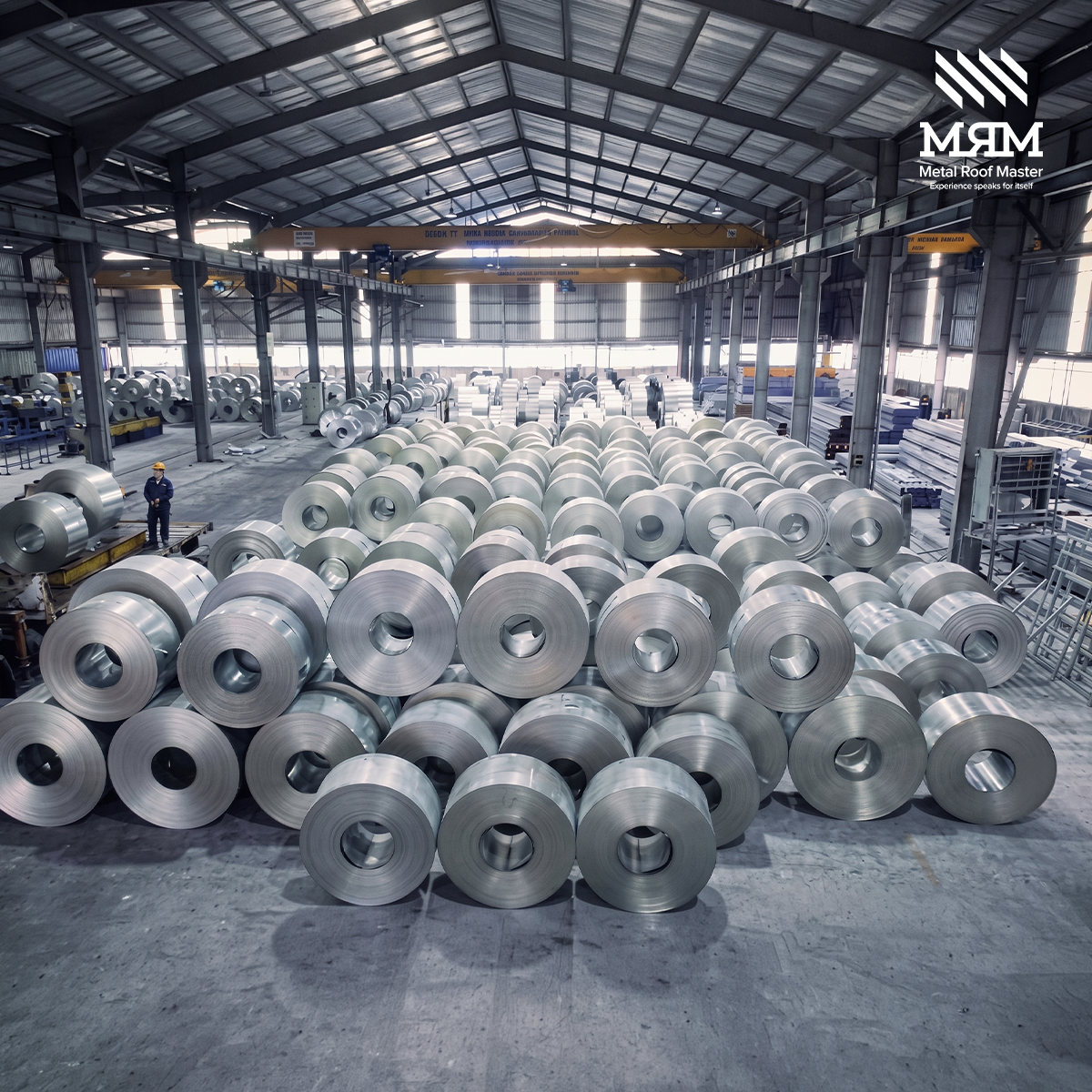
Most conversations about a steel coil supplier USA buyers can rely on start and end with a price per ton. Price matters, obviously — but the part that actually decides whether a shipment lands on schedule, clears customs without a hold, and arrives matching the purchase order line for line happens in the two or three weeks between “we’ll take the coil” and “the container is on the water.” Almost none of that shows up on a quote sheet. This week we walked one order through that exact window: an 8-ton hot-dip galvanized (GI) coil shipment, ordered by a building-materials distributor in the Caribbean, shipped FOB Miami. Here is what actually happened, step by step, and why each step exists.
The Order Comes In
The request arrived by email on a Monday: GI coil, Z275 zinc coating, 0.45mm thickness, coil width 1000mm, roughly 8 tons, destined for a port in the Eastern Caribbean. Our sales team’s first move wasn’t pricing — it was checking live capacity across MRM Steel’s partner mill network. Because the sourcing model here is asset-light and multi-mill rather than tied to one fixed factory, confirming real availability for this specific spec took under 24 hours instead of waiting in a single mill’s production queue. For buyers comparing a steel coil supplier USA option, confirming availability against the required specification is the first practical step.
- Spec confirmed against the distributor’s stated end use: roofing panels for a mid-size commercial building
- Coating class cross-checked against the local building code reference the distributor supplied
- One detail flagged early: the local code referenced a coating classification that maps directly to ASTM A653 Z275 — worth nailing down before production, not after
Before Production Starts: The Spec Check
The order looked straightforward on paper: GI coil, Z275 coating, 0.45mm thickness, 1000mm width, and roughly 8 tons. But those numbers still had to be checked against how the material would actually be used.
The distributor was buying the coil for roofing panels on a mid-size commercial building. Before production was scheduled, the requested coating classification was checked against the local building-code reference the distributor had provided.
That step may look small compared with loading a container, but it is much easier to resolve a specification question before production begins than after the material has been manufactured or shipped.
For this order, the specification check confirmed the requested Z275 coating against the ASTM A653 reference. The Mill Test Certificate requirement was also identified before the order moved further into the process.
The goal was simple: the material being sourced, the purchase order, and the documentation that would eventually travel with the shipment needed to describe the same product.
What “ASTM Certified Steel Coil” Actually Means for This Order
ASTM A653/A653M is the US standard governing hot-dip galvanized and galvannealed steel sheet, and it’s the reference most US-influenced building codes and inspectors expect to see when a document says a coil is certified. Every coil in this shipment ships with its own Mill Test Certificate tied to a specific heat number — not a generic spec sheet pulled from a catalogue, but the actual chemical composition and mechanical test results measured on that particular production run.
- Buyers should request the Mill Test Certificate alongside the formal quote, not after the order is confirmed — catching a documentation gap before production starts costs nothing; catching it at the port costs a shipment delay
- A coil certified to ASTM A653 isn’t automatically identical to one certified under JIS or EN standards covering a similar coating — the testing protocols differ even when the coating chemistry looks similar on paper
Keeping the Material and Paperwork Connected
Once the order moves from sourcing to shipment, the physical coil and the paperwork have to stay connected.
The coil identification provides the starting point. Details such as the heat number, weight, and dimensions can be checked against the packing list before the container is closed.
The Mill Test Certificate serves a different purpose. It provides the test results associated with the specific production heat rather than simply describing the product category.
That distinction matters when a buyer needs to verify what was actually supplied.
For this shipment, the main documents moved together as part of the export process:
- Commercial Invoice — records the commercial value of the shipment.
- Packing List — identifies the coils and their shipment details.
- Certificate of Origin — identifies the stated origin of the goods.
- Mill Test Certificate — provides material test information tied to the relevant heat.
- Bill of Lading — documents the ocean shipment.
The useful part is not any single document by itself. It is whether the information across the documents remains consistent with the material that was actually loaded.
From Warehouse to Container
Once the order was confirmed, the coils were staged at the Miami facility for export packaging. Eight tons of GI coil in this width works out to a specific number of individual coils, each wrapped in export seaworthy packaging designed to survive humidity and handling during ocean transit rather than the lighter packaging used for domestic truck delivery.
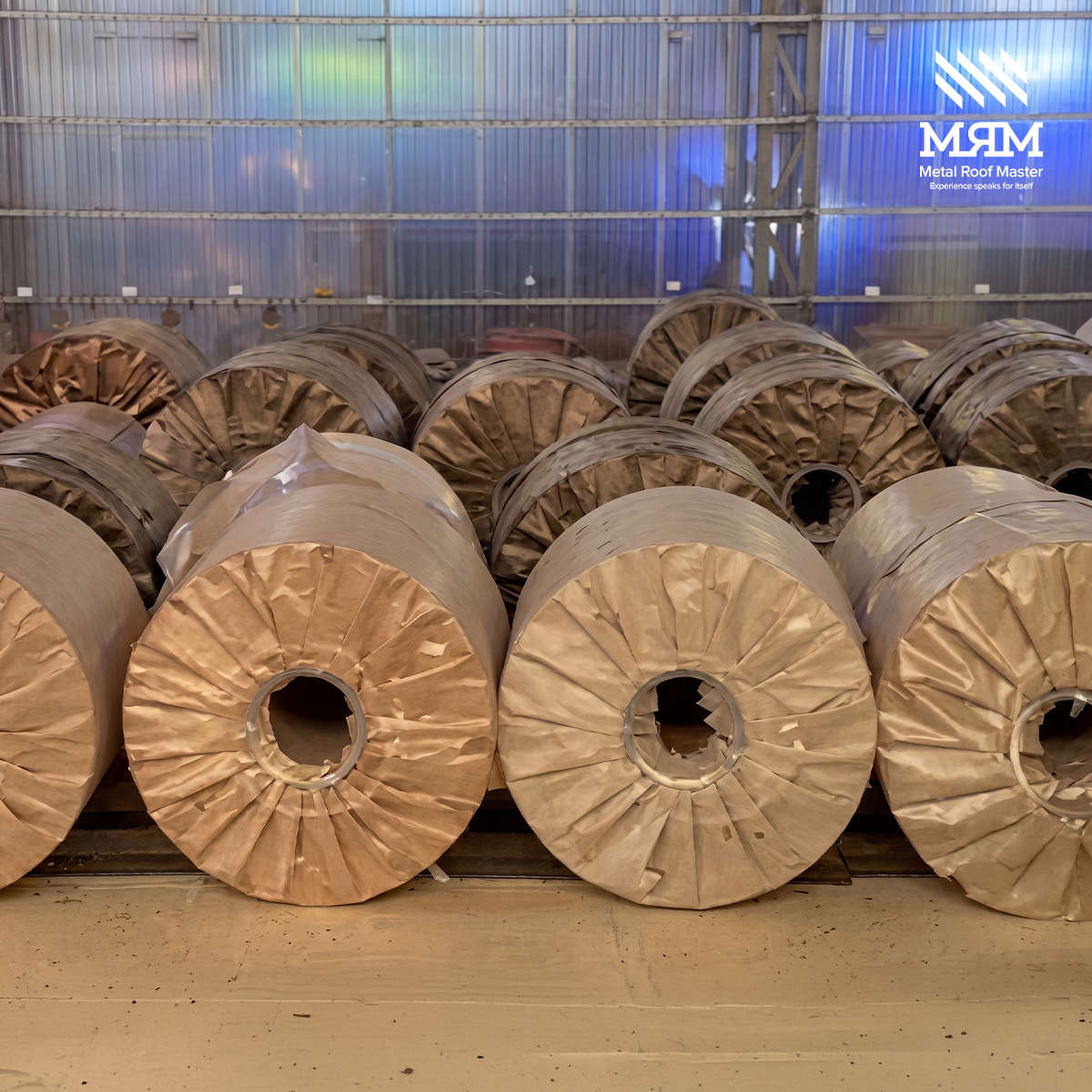
- Coils are loaded by weight distribution across the container, not just by available floor space — improper loading is one of the more common causes of edge damage and coil deformation that shows up only after a long transit
- Each coil’s identification tag (heat number, weight, dimensions) is checked against the packing list before the container doors close, not estimated from memory
The Paperwork That Ships With Every Order
A steel coil supplier USA buyers can plan around is one where the documentation is prepared alongside production, not chased down after the fact. This shipment left with the following documents bundled together:
- Commercial Invoice — the value declaration used for customs on both ends
- Packing List — coil-by-coil breakdown matching what’s physically in the container
- Certificate of Origin — matters directly for the distributor’s own import duty calculation, particularly relevant given how frequently trade-remedy actions target specific countries of origin in coated steel
- Mill Test Certificate — the heat-specific test results described above
- Bill of Lading — the shipping document that transfers with the cargo itself
What the Buyer Can Trace
For a buyer, the value of this process is traceability.
The purchase order answers what was requested. The Mill Test Certificate provides material information tied to the production heat. The packing list shows what was physically prepared for shipment. The invoice records what was sold, while the Bill of Lading follows the cargo into the ocean shipment.
That chain gives the buyer something more useful than a generic statement that the material is “certified.”
It gives them a way to connect the product they ordered with the product that was actually shipped.
For a buyer evaluating a steel coil supplier USA, that traceability provides a clearer basis for checking the order.
Why FOB Miami Matters for This Route
Miami’s position as an export gateway isn’t just a marketing line — for a Caribbean-bound shipment, it means a shorter, more direct shipping lane than routing through a West Coast or Gulf port. Combined with the multi-mill sourcing model, it also means that if one partner mill hits a production delay, the order can, in principle, be reallocated across the network without renegotiating the entire purchase order from scratch. That flexibility doesn’t show up on an invoice, but it’s the difference between a shipment slipping by a few days and a shipment slipping by a few weeks.
What Could Have Gone Wrong (and Didn’t)
The more common failure points on an international coil order tend to be predictable: a spec mismatch discovered only after production is already underway, documentation assembled after the container has already sailed, or a quoted price that shifts by the time the invoice is issued. This order avoided all three because the spec review happened before production was scheduled, the export documents were prepared in parallel with packaging rather than afterward, and the formal quote was fixed within 48 hours of the initial request — the price on the invoice matched the price on the quote, line for line.
What the Buyer Confirmed on Delivery
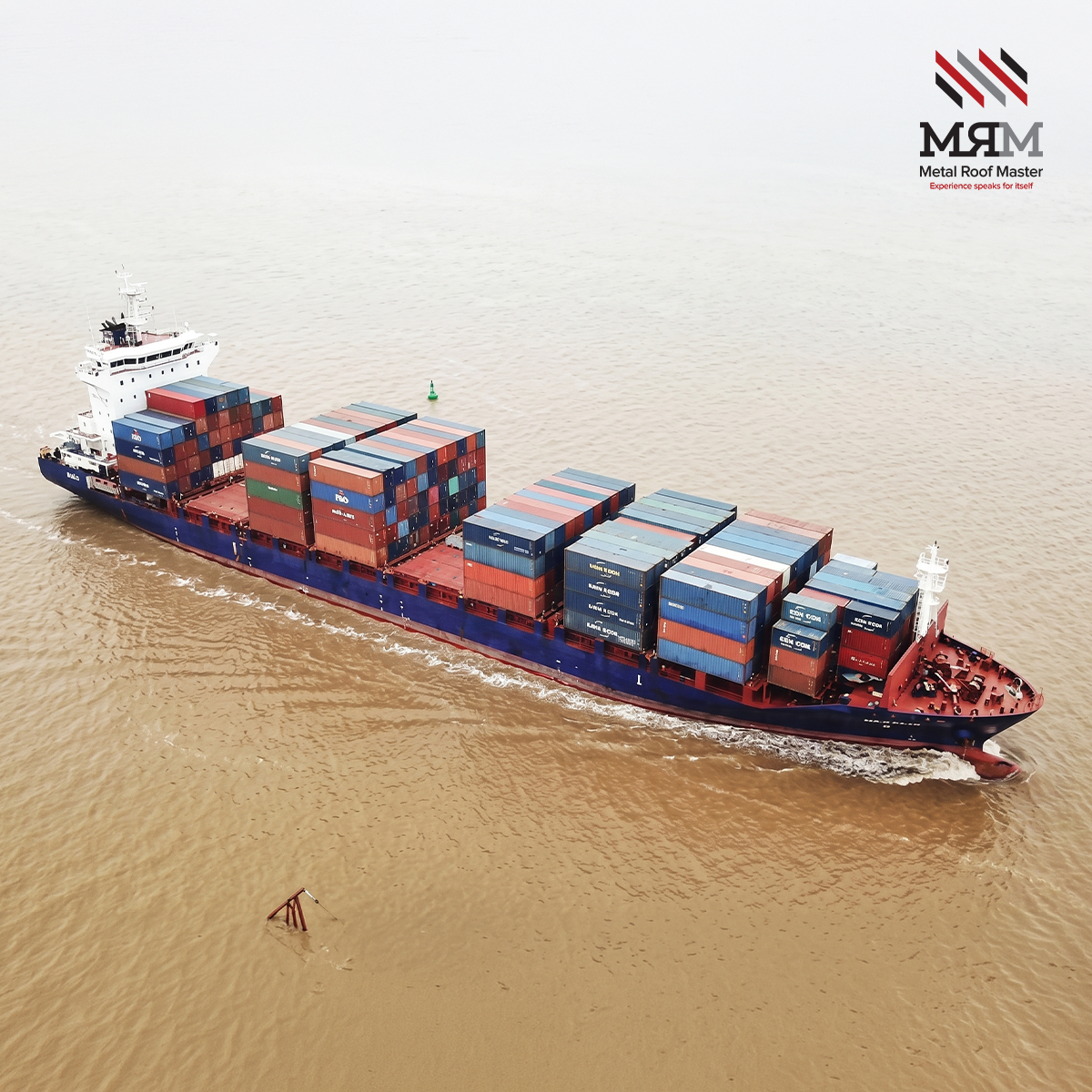
When the container reached the destination port, the distributor checked the coils against the packing list and Mill Test Certificate before signing off on delivery. Coating class, thickness, and heat-specific test results all matched what had been quoted — no follow-up call needed to explain a discrepancy. For a repeat buyer, that’s usually the actual goal of the whole process: getting exactly the material that was ordered, documented the way it was promised.
Frequently Asked Questions
What’s the difference between a generic mill certificate and one certified to ASTM A653?
A generic certificate may confirm general quality without referencing a specific testing standard. An ASTM A653-certified Mill Test Certificate ties the coil’s actual chemical composition and mechanical test results, from that specific heat, to the exact standard a US-influenced building code or inspector expects to see.
How long does a GI coil order typically take from purchase order to FOB Miami?
For an order within standard grades and quantities, spec confirmation, production allocation, and export documentation preparation typically move in parallel, with the formal quote issued within 48 hours of the initial spec review and the shipment scheduled from there based on production and vessel availability.
Does MRM Steel prepare Certificate of Origin documentation for every export order?
Yes — Commercial Invoice, Packing List, Certificate of Origin, and Bill of Lading are standard for international shipments, alongside the Mill Test Certificate specific to the material shipped.
What happens if a distributor’s local building code doesn’t reference ASTM directly?
This comes up more often as sourcing spans multiple countries. The sourcing team confirms early which standard the destination market’s code actually requires and, where a mismatch exists, works out what cross-reference documentation is needed before the material ships rather than after.