
 EN
EN PT
PT


Linha Direta: (877) 289-6429
Horário de Funcionamento:
Segunda a Sábado, das 06:00 às 19:00; Fechado aos Domingos
Site: https://mrmsteel.ai/
Turnkey Metal Building Company: Critical Coordination
He told us about the last building he’d put up before he told us anything about the one he actually wanted. He’d ordered the steel package from one company, hired a separate foundation contractor, and brought in an independent erection crew — and when the anchor bolt pattern on the foundation didn’t line up with the base plates on the frame, all three pointed at each other while he ate the cost of the delay. This time, he specifically wanted a turnkey metal building company that would own the whole thing.
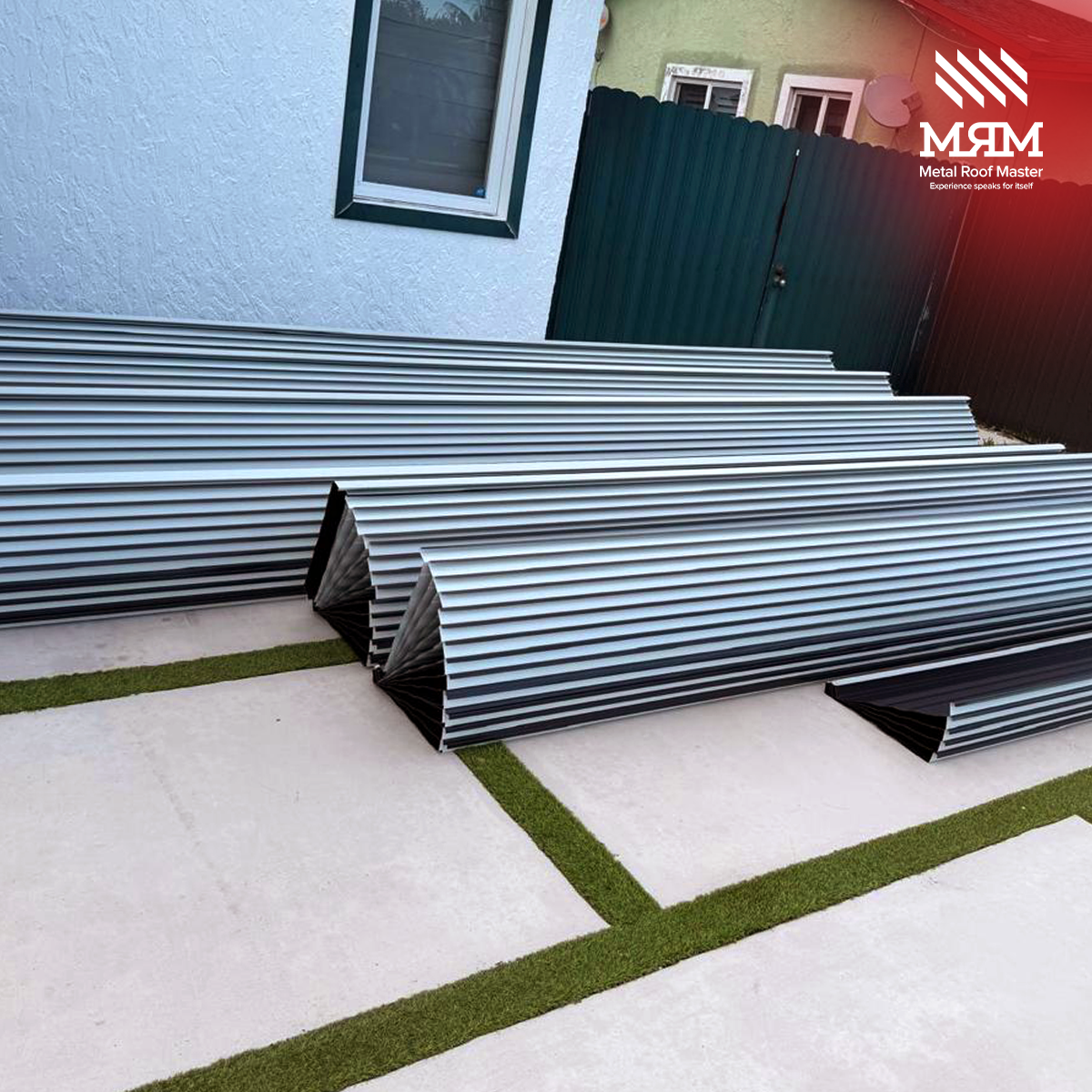
How the First Call Was Different This Time
He led with the anchor bolt story before we’d even gotten to dimensions or budget for the new building — which told us as much about what he needed from this order as the actual specs did. The first questions on our end weren’t about panel color or roof pitch. They were about who was pouring his foundation, whether that contractor was already selected, and whether he wanted MRM coordinating directly with them or just confirming the spec independently.
What Went Wrong the First Time
The specifics matter less than the pattern: three separate contracts, three separate companies, and no single party responsible for making sure the pieces actually fit together. The foundation contractor built to the dimensions he was given. The steel supplier shipped to the spec on the order. Somewhere in translating one to the other, a measurement didn’t carry over correctly, and by the time anyone noticed, concrete was already cured.
What “Turnkey” Actually Meant for This Order
For this building — a 40×60 workshop and storage structure — the scope covered the structural drawings, the framing and panel package matched to those drawings, and a foundation specification confirmed directly against his foundation contractor’s plans before anything was poured. He still hired his own local labor to physically assemble the building, but the documentation and specifications all came from one place, checked against each other before delivery, rather than three separate parties each working from their own version.
What We Coordinated Behind the Scenes
- Structural drawings matched to his local wind load code requirements
- Foundation specification confirmed directly with his foundation contractor before the pour
- Delivery scheduling coordinated against his erection crew’s actual availability
- One documentation package covering structural, paint, and roof warranty terms, rather than separate paperwork from separate vendors
The point was not to make every decision ourselves. It was to make sure the decisions already being made by the buyer, foundation contractor, and erection crew did not contradict each other. That meant checking dimensions and foundation requirements against the building drawings early, then keeping the same information in the delivery and documentation process. For the buyer, the value was less about adding another service and more about removing the gaps between services.
The coordination also gave us a clearer picture of where a building order can become complicated. Each party may be working from information that looks correct on its own, but the important question is whether those pieces still match when they are put together.
For example, the foundation contractor may be working from one set of dimensions while the building package is based on another. The erection crew may also have a schedule that does not match the planned delivery date. None of those issues necessarily means that one party made a major mistake. They become problems when the information is not checked across the project before the next step begins.
That is why the coordination process focused on keeping the same specifications connected from the drawings through the foundation, delivery, and assembly stages. The goal was not to take control away from the buyer or the contractors he had already selected. It was to make sure everyone was working from information that had been checked against the same building order.
The Moment It Actually Mattered
About three weeks before delivery, his erection crew’s schedule shifted — a prior job ran long, and their available start date moved out by ten days. On the previous project, that kind of scheduling conflict between separate vendors was exactly the type of gap that caused problems, since no one party had visibility into both sides. This time, his Project Coordinator adjusted the delivery date to match the crew’s new availability directly, rather than the building sitting on-site for over a week waiting on a crew that wasn’t ready yet.

The schedule change also showed why delivery timing is part of the coordination process rather than simply a transportation detail. A building arriving too early can create its own problem if the crew is not ready to receive or assemble the components. On the other hand, delaying delivery without checking the crew’s availability can create another gap in the project timeline.
In this case, adjusting the delivery date meant the materials could arrive when the erection crew was actually prepared to begin. That kept the transition from delivery to assembly closer to the plan the buyer had already made with his crew.
For the buyer, the difference was straightforward: he did not have to coordinate another conversation between the supplier and erection crew himself. The change was handled as part of the same project coordination instead of becoming another issue for him to chase.
What We Didn’t Change
Being turnkey on the specification and coordination side didn’t mean rewriting his plans to fit ours. He’d already chosen his foundation contractor and his erection crew before calling us, and neither relationship needed to change — the coordination happened around those existing choices, confirming specs against what they were already doing rather than replacing them with an MRM-managed crew he hadn’t asked for.
That distinction mattered to this order because turnkey did not mean that the buyer gave up control over the project. He still selected the contractors he wanted to work with and remained involved in the decisions that belonged to him.
Our role was to connect those decisions to the building package and make sure the technical information was consistent. That included confirming the foundation requirements, checking the structural information, and coordinating timing around the crew that would actually assemble the building.
For a buyer who has already built relationships with local contractors, this approach can be more practical than replacing those relationships. The coordination happens around the existing project instead of requiring the buyer to start over with a completely different team.
What He Said Once the Building Was Up
His comment afterward wasn’t really about the building itself — structurally, it was what he’d ordered. It was that this was the first building project where he hadn’t spent any time being the go-between for two contractors who weren’t talking to each other directly. Whatever needed coordinating happened before it became his problem to solve on-site.
Why This Isn’t Just a Bigger Order
It would be easy to describe turnkey coordination as simply doing more work on a bigger order, but the actual difference is where the responsibility sits when something needs adjusting. On a split-vendor project, a scheduling conflict or a spec mismatch becomes the buyer’s problem to chase down between companies that don’t answer to each other. Here, it stayed something we resolved directly, which is really the entire reason he asked for a turnkey metal building company on this project instead of assembling one himself again.
He mentioned, half-joking, that the most turnkey part of the whole experience was not having to remember three different phone numbers.
What This Order Reinforced for Us
A building package is only as good as whether the pieces around it — the foundation spec, the delivery timing, the documentation — actually line up with what’s happening on the buyer’s end. The steel and the drawings are the easy part to get right. Catching a scheduling conflict before it becomes a delay, or confirming a foundation spec before concrete is poured, is the part that actually determines whether a buyer deals with one phone call or three.
That also changed how we looked at the order internally. A building package can leave the warehouse exactly as specified and still create a problem if the foundation, crew, or delivery timing was working from different information. For this buyer, getting those connections checked before delivery was what made the package work as intended once it reached the site.
The order also reinforced why communication has to continue after the initial specifications are agreed on. Project conditions can change before delivery, whether that involves a contractor’s schedule, a foundation detail, or another piece of information that affects when and how the building arrives.
Having one point of coordination means those changes can be brought back to the same project information instead of being handled as isolated conversations. In this case, the revised erection schedule was not treated as a separate problem. It was checked against delivery timing and adjusted before the materials reached the site.
That is the practical difference this buyer was looking for. The building itself was still made up of the same basic components, but the information connecting those components was being managed together rather than left for the buyer to reconcile on his own.
How the Delivery Day Actually Went
When the adjusted delivery date arrived, his crew was on-site and ready, the framing components matched the structural drawings he’d already reviewed, and the anchor bolt pattern matched the foundation exactly — the specific detail that had cost him a delay on the previous project. Assembly started the same day the truck arrived, without the pause-and-recheck routine he’d budgeted extra time for out of habit.
Frequently Asked Questions
What size buildings does this turnkey coordination apply to?
It applies regardless of size, though the coordination matters more on larger or more complex builds where multiple contractors and a longer timeline create more opportunities for a mismatch between parties.
What happens if a buyer’s foundation contractor and MRM Steel disagree on a spec?
That conversation happens before the pour, directly between the parties, specifically to resolve any discrepancy while it’s still a phone call instead of a delay or a redo after concrete has cured.
Does turnkey coordination cost more than ordering the steel package alone?
The coordination itself doesn’t carry a separate line-item cost — it’s part of how the order is managed. Where it pays off is avoiding the cost of a delay or a mismatch discovered after materials are already on-site or a foundation is already poured.
Does a turnkey metal building company handle the on-site assembly too?
It depends on the order — some buyers use their own local labor for assembly, as this buyer did, while others use an erection crew coordinated through MRM Steel. Either way, the structural drawings and specifications come from a single, verified source.
How does foundation coordination actually work if MRM doesn’t pour the foundation?
The foundation specification required by the building package is confirmed directly against the buyer’s foundation contractor’s plans before the pour happens, to catch a mismatch while it’s still easy to fix.
What’s included in the documentation package for a turnkey building order?
Structural drawings, the framing and panel specification, and warranty documentation for the structural, paint, and roof coverage — all from one source rather than separate paperwork from multiple vendors.
Can delivery scheduling be adjusted if an erection crew’s availability changes?
Yes — this is exactly the kind of coordination a Project Coordinator handles directly, adjusting delivery timing against the buyer’s actual crew availability rather than leaving the building to sit on-site.